Shipping Traffic Through Strait of Hormuz Halves Amid Renewed US-Iran Fighting
1-Minute Brief
The slowdown in Hormuz shipping highlights global energy supply vulnerabilities and prompts caution among exporters and insurers.
Key Facts
- Fresh data showed the number of ships moving through the Strait of Hormuz halved on Wednesday amid renewed fighting.
- Oman told the United Nations’ shipping agency it does not support imposing transit fees in the Strait of Hormuz, while Iran is pushing for such charges.
- Oil prices remain elevated as shipping traffic slows and some ships remain stuck in the strait.
- A second supply crisis in the Middle East may be less severe than previous disruptions, according to Bloomberg Markets.
- More than 500 ships have passed through the strait since June 17, but many remain stuck.
What Happened
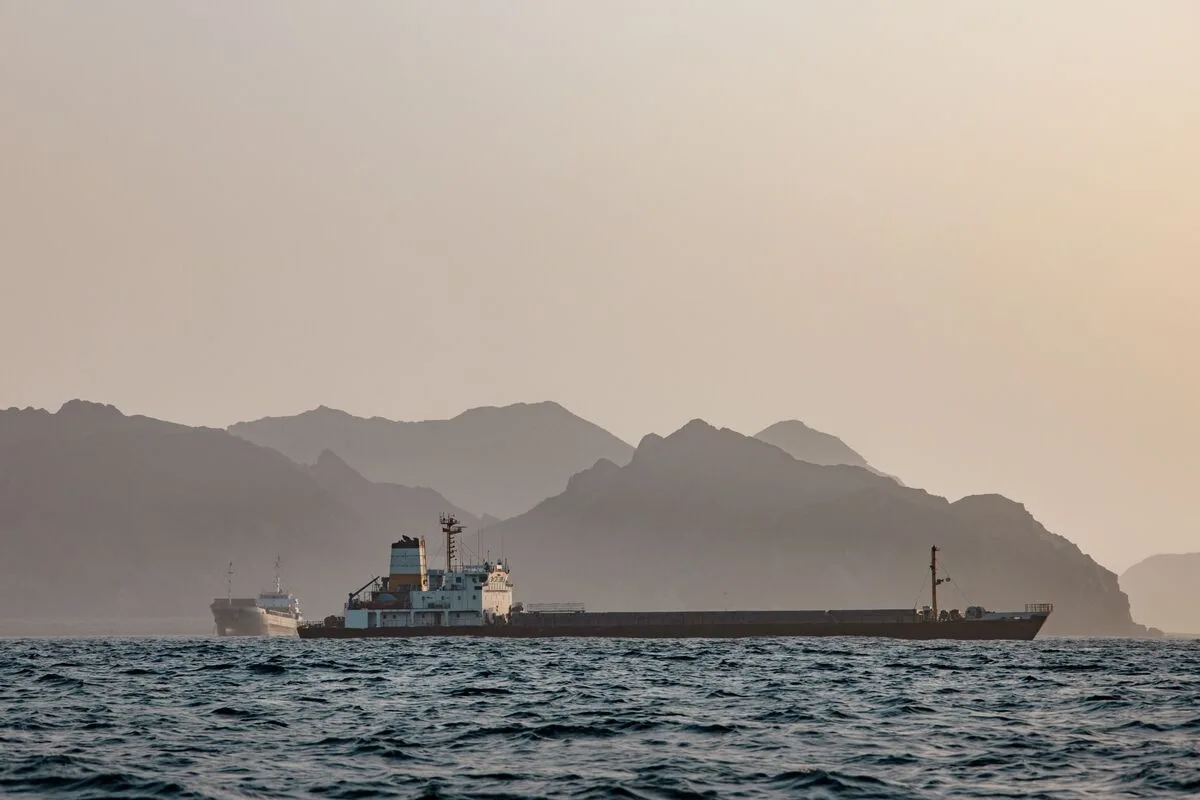
Renewed fighting between the US and Iran has led to a significant reduction in shipping traffic through the Strait of Hormuz, with oil prices staying elevated and some vessels stranded.
Why It Matters
The Strait of Hormuz is a critical chokepoint for global energy supplies. Disruptions here can affect oil and gas markets, insurance costs, and international diplomatic efforts to maintain stability.
What's Next
Observers are watching for further developments in US-Iran relations, potential policy changes regarding transit fees, and whether international actors such as NATO will become more involved in securing the strait.
Sources
Confirmed by 4 independent sources
- NYTLeft9h agoOil Prices Remain Elevated Amid Shipping Traffic Slowdown in Strait of Hormuz
- Bloomberg MarketsCenter7h agoOil Exporters Build Resilience to Soften Blow of Hormuz Disruption
- Bloomberg MarketsCenter7h agoOman Tells UN It’s Against Imposing Transit Fees in Hormuz