Strait of Hormuz Traffic Resumes After US-Iran Interim Deal, But Disruptions Persist
1-Minute Brief
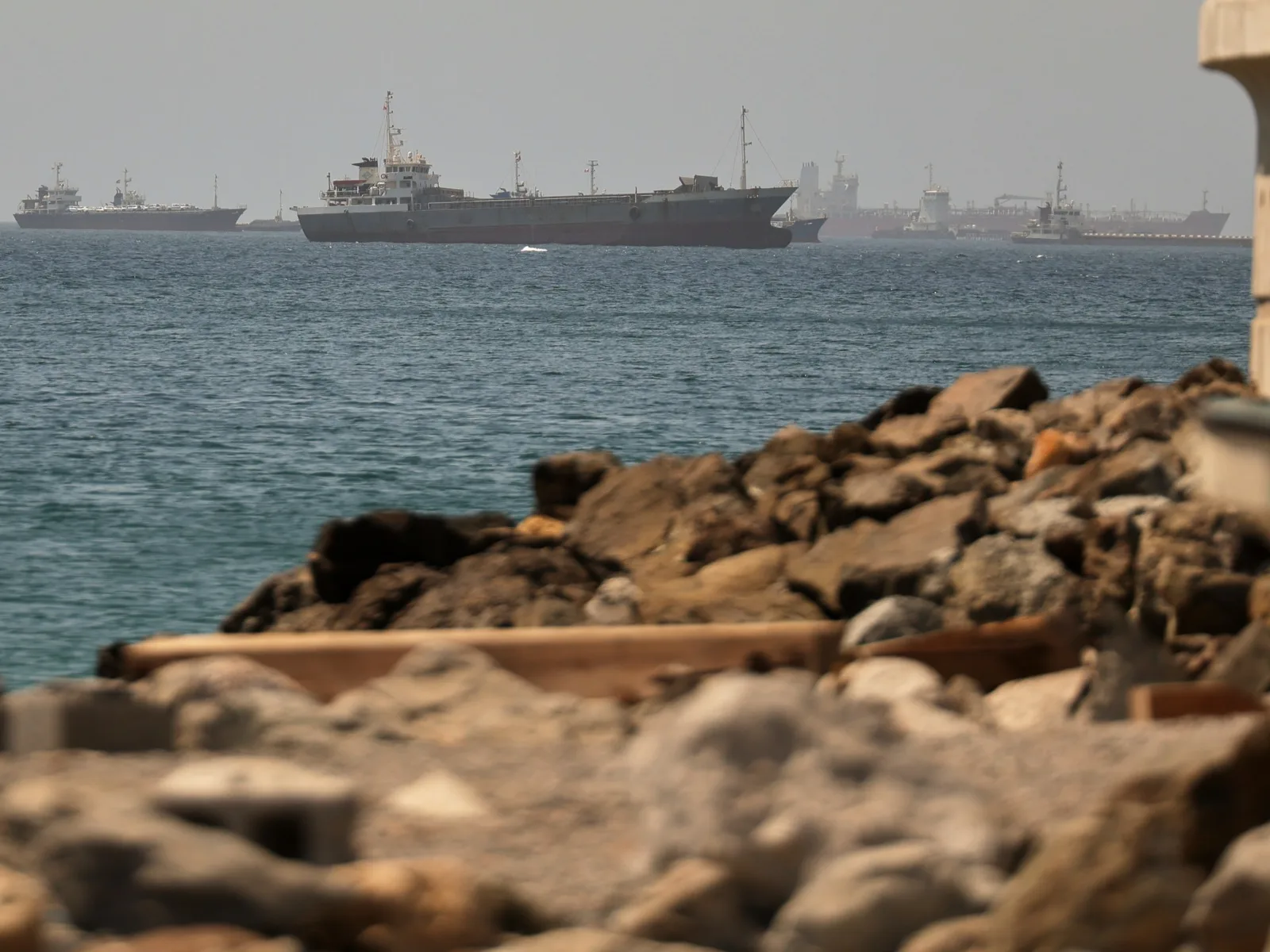
The reopening of the Strait of Hormuz following a US-Iran agreement has eased immediate oil supply concerns but ongoing risks remain.
Key Facts
- A US-Iran interim memorandum of understanding led to the partial reopening of the Strait of Hormuz for shipping.
- Brent crude prices initially fell as tankers began crossing the waterway, but later rose amid renewed regional fighting and slow traffic.
- About 80 mines remain in the center of the strait, requiring clearance before normal shipping can resume, according to a tanker owner trade body.
- Fifty-five ships passed through the strait on Saturday, but Iran’s military later announced another closure.
- Oil markets saw a substantial weekly drop as shipping activity briefly returned to the strait.
What Happened
The US and Iran signed an interim deal to end their conflict and reopen the Strait of Hormuz, allowing some vessels to pass through. However, renewed closures and remaining mines continue to disrupt full restoration of shipping traffic.
Why It Matters
The Strait of Hormuz is a critical chokepoint for global oil and LNG shipments. Disruptions have significant implications for energy markets, supply chains, and global economic stability. Reports vary on the extent and duration of the reopening, with some sources noting renewed closures and ongoing hazards.
What's Next
Continued monitoring of shipping activity and mine clearance efforts is expected. Analysts and officials are watching for further announcements from Iran and potential impacts on oil prices and global trade.
Sources
Confirmed by 5 independent sources
- Bloomberg MarketsCenter1d agoOil Set for Deep Weekly Loss as Hormuz Traffic Starts to Pick Up
- Bloomberg MarketsCenter1d agoUS-Iran MOU Soothes Market Stress: Markets Snapshot
- Al JazeeraLeft1d agoOil prices rise as Lebanon fighting erupts and Hormuz traffic still slow