US-Iran Tensions Escalate, Disrupting Oil Markets and Strait of Hormuz Trade
1-Minute Brief
Rising US-Iran tensions have triggered volatility in global energy and financial markets, affecting oil flows and economic outlooks worldwide.
Key Facts
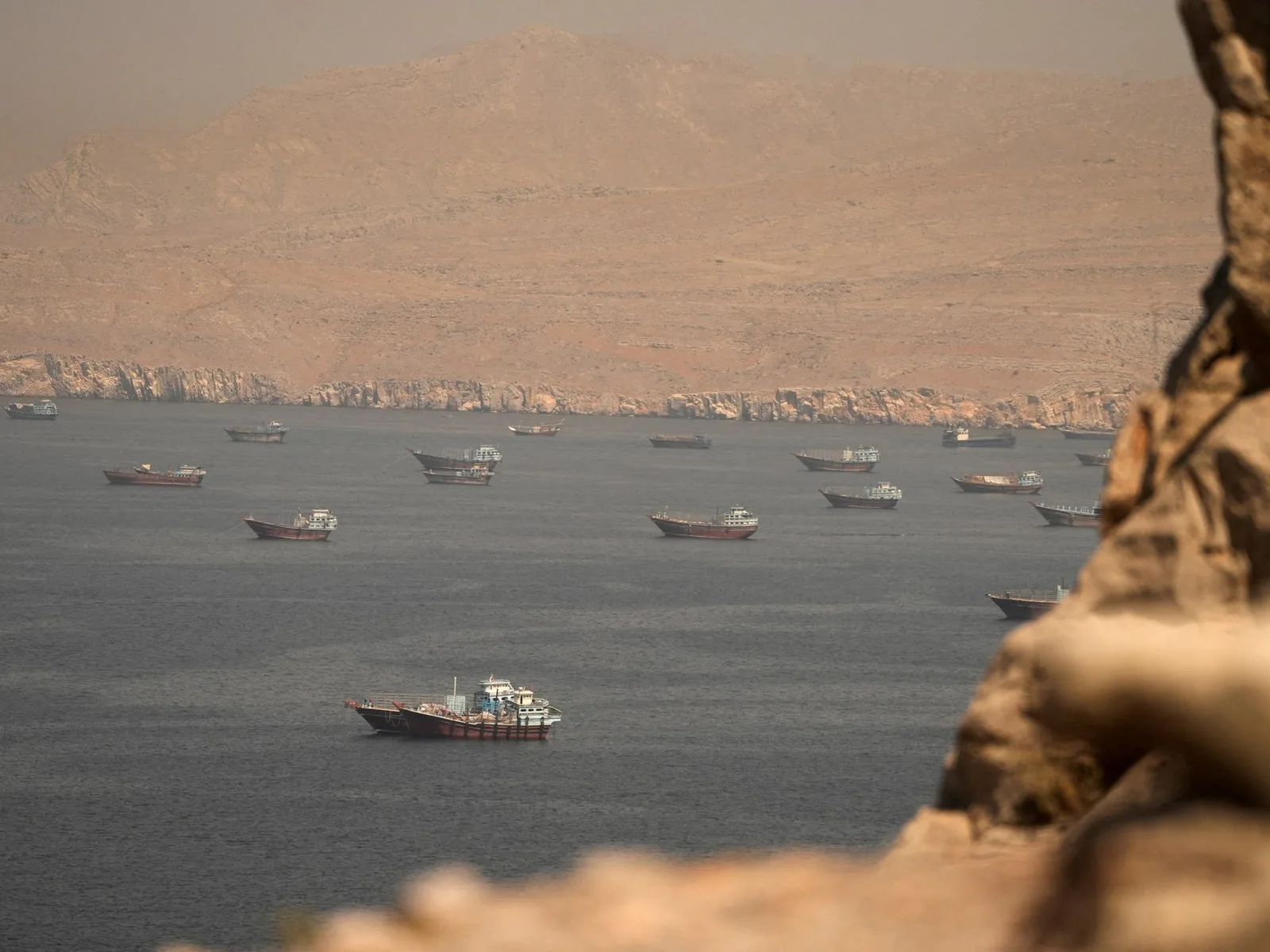
- The Strait of Hormuz has become a focal point in US and Iranian strategic calculations, impacting global trade routes.
- Analysts say Iran's industrial facilities have suffered significant damage from two wars in a year, complicating economic recovery.
- The fragile truce in the region is under strain, with both the strait's status and Iran's economy closely linked to future developments.
- Chicago soybean oil futures reached a three-week high after US military strikes on Iran pushed crude oil prices higher.
- Aaron David Miller stated that Iran will go to 'extreme lengths' to maintain influence over the Strait of Hormuz.
What Happened
Recent US military strikes on Iran have intensified tensions, leading to renewed focus on the Strait of Hormuz and increased volatility in oil and commodity markets.
Why It Matters
The situation affects not only energy prices but also broader economic sectors, with potential consequences for global supply chains, inflation, and regional stability.
What's Next
Observers are watching for further disruptions to oil shipments, potential policy responses, and the impact on ongoing diplomatic efforts and market stability.
Sources
Confirmed by 3 independent sources
- Al JazeeraLeft2h agoThe Strait of Hormuz is now at the centre of Iranian and US calculus
- Bloomberg MarketsCenter14h agoSoybean Oil Hits Three-Week High on Renewed US, Iran Tensions
- Al JazeeraLeft13h agoIran’s economy faces long road to recovery as fragile truce tested