Stalled US-Iran Peace Talks Disrupt Hormuz Shipping and Impact Oil Markets
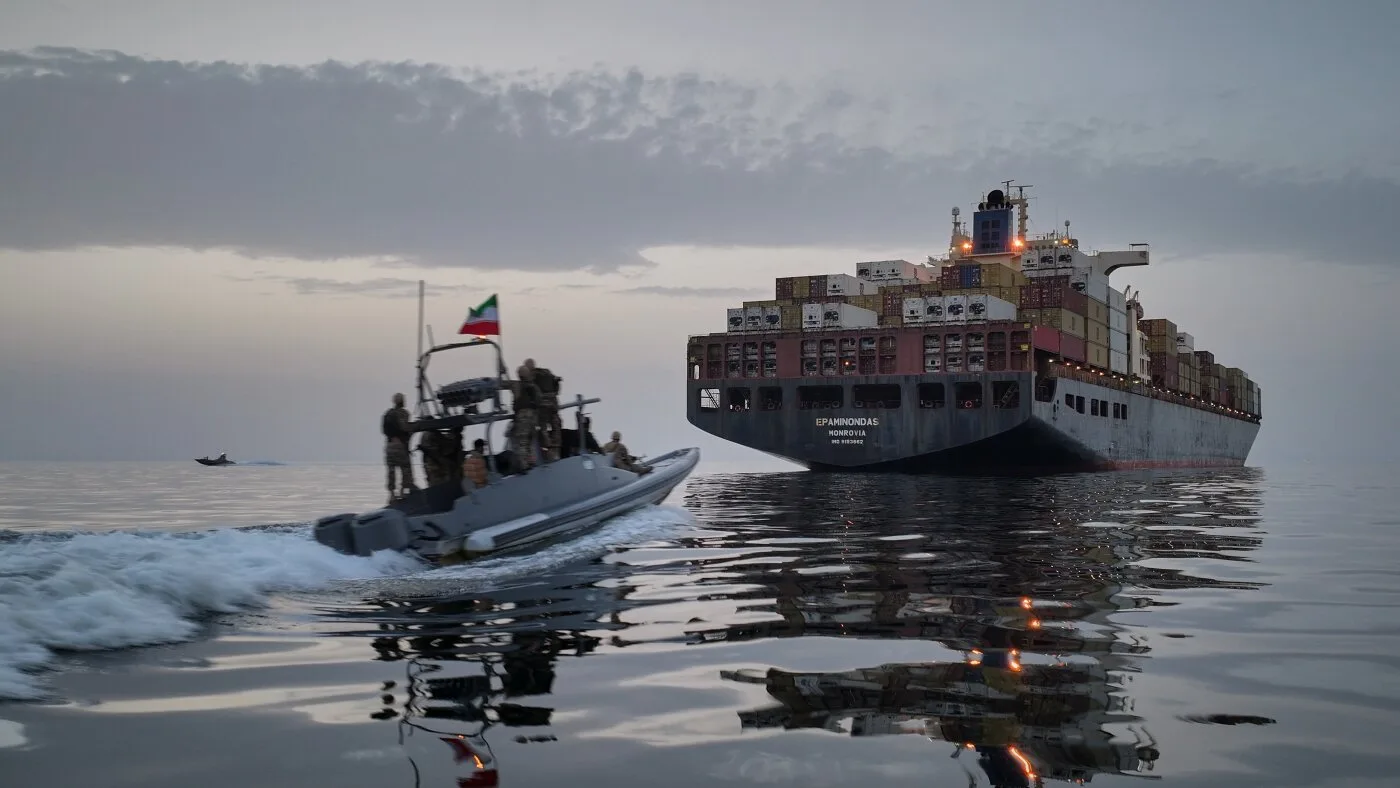
1-Minute Brief
Continued deadlock in US-Iran peace negotiations is prolonging energy market disruptions and raising concerns over global supply chains.
Key Facts
- Efforts to resume US-Iran peace talks have stalled, with disruptions reported in shipping through the Strait of Hormuz.
- Analysts describe the current situation as a 'no war, no peace' stalemate, with both sides waiting out the other.
- Oil prices have climbed, reaching a three-week high amid ongoing disruptions in the energy-rich Middle East.
- Iran's president has called on the US to end what he described as a blockade, according to AP News.
- UK officials are monitoring stock levels and planning for any potential supply chain disruptions, according to BBC News.
What Happened
Peace talks between the US and Iran have stalled, with reported disruptions in shipping through the Strait of Hormuz. The diplomatic impasse has led to increased oil prices and preparations for potential shortages.
Why It Matters
Disruptions in a key global shipping route and uncertainty in US-Iran relations are affecting energy markets and prompting governments to prepare for supply disruptions.
What's Next
Observers are watching for any resumption of negotiations or changes in control of Iran's negotiating team, as well as further impacts on global markets and supply chains.
Sources
Confirmed by 7 independent sources
- Bloomberg MarketsCenter10h agoOil Climbs as US-Iran Peace Talks Stall and Hormuz Remains Shut
- Google NewsUnknown1d agoLive updates: Iran president calls on US to end blockade
- NYTLeft18h agoIran and U.S. Sink Into Awkward Limbo of ‘No War, No Peace’