US and Iran Reach Preliminary Peace Deal Affecting Strait of Hormuz and Oil Markets
1-Minute Brief
The US-Iran agreement is expected to ease regional tensions and impact global energy markets by reopening oil trade routes.
Key Facts
- Iran is set to receive broad financial incentives, including the right to sell oil immediately, as part of the deal, according to a final draft reported by Bloomberg.
- A White House official stated that Trump's Iran deal does not include Israel's conditional withdrawal from Lebanon amid its conflict with Hezbollah.
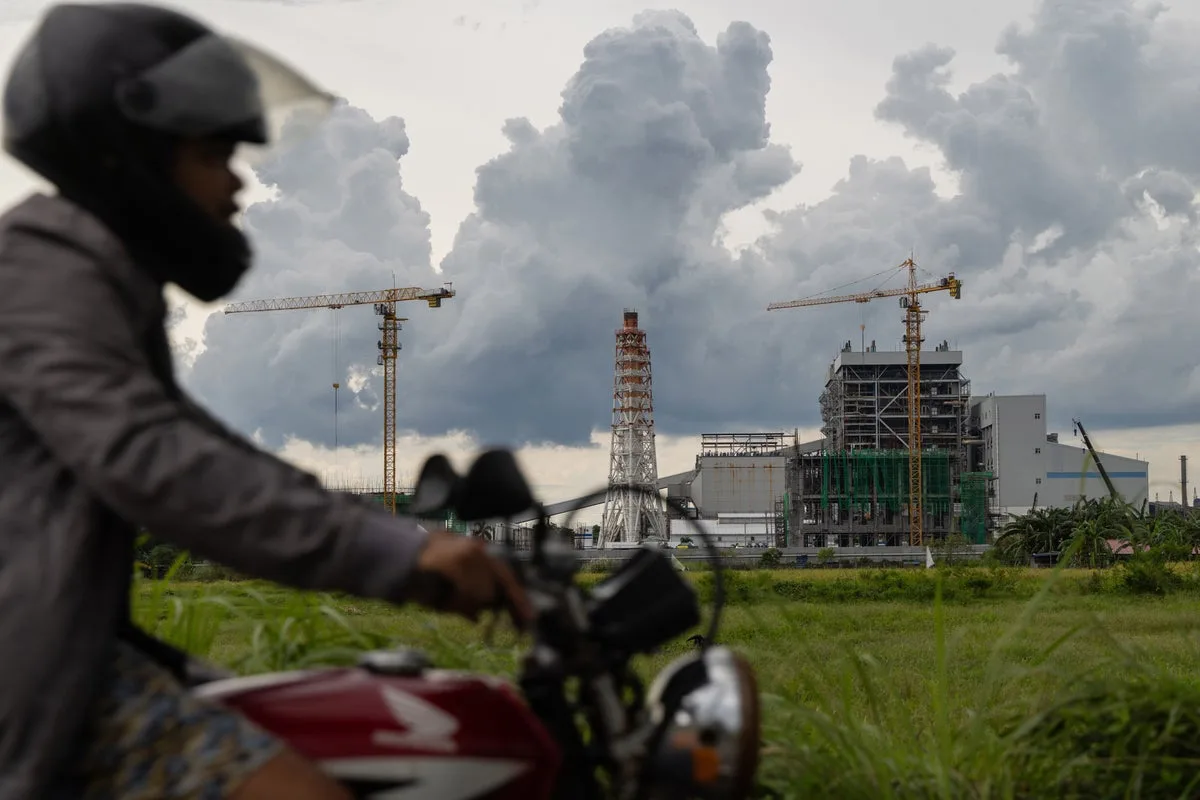
- The International Energy Agency warned that Southeast Asia's energy sector is vulnerable due to reliance on limited oil and gas suppliers and disruptions in the Strait of Hormuz.
- Reports indicate that a US Apache helicopter downed in the Strait of Hormuz was involved in a secret oil operation using drones and helicopters to guide convoys.
- Oil prices have dropped to their lowest level since early March, with Brent crude falling as traders anticipate increased Iranian supply following the peace agreement.
What Happened
The US and Iran have reached a preliminary peace agreement that includes financial incentives for Iran and provisions for reopening oil trade through the Strait of Hormuz. The deal follows recent military incidents and ongoing regional tensions.
Why It Matters
This agreement could reduce the risk of further conflict in the region, stabilize global oil supplies, and affect energy security in dependent markets. The outcome may also influence diplomatic relations and economic conditions in affected countries.
What's Next
Observers are watching for the formal signing of the agreement and the reopening of the Strait of Hormuz. Market reactions and regional responses, particularly from Israel and Southeast Asian energy sectors, will be closely monitored.
Sources
Confirmed by 4 independent sources
- The IndependentLeft1d agoIran war is a 'wake-up call' for Southeast Asia's energy sector, report says
- The IndependentLeft1d agoDowned US Apache helicopter in Strait of Hormuz was involved in secret oil operation: report
- The IndependentLeft1d agoIran-US war latest: Strait of Hormuz will take ‘weeks’ to clear warns tanker firm despite Trump’s ‘partially open’ claim