US-Iran Peace Deal Prompts Resumption of Oil Tanker Traffic in Strait of Hormuz
1-Minute Brief
The initial US-Iran peace agreement is impacting global energy flows and boosting Asian stock markets as shipping resumes.
Key Facts
- Oil tankers began transiting the Strait of Hormuz after 111 days of gridlock following the US-Iran deal signing.
- Saudi Arabia’s state-owned supertankers have started crossing the Strait of Hormuz in response to the interim agreement.
- Shipping industry activity is increasing as both US and Iranian officials continue discussions after the initial deal.
- The agreement includes a 60-day cease-fire, with further talks scheduled in Switzerland on Friday.
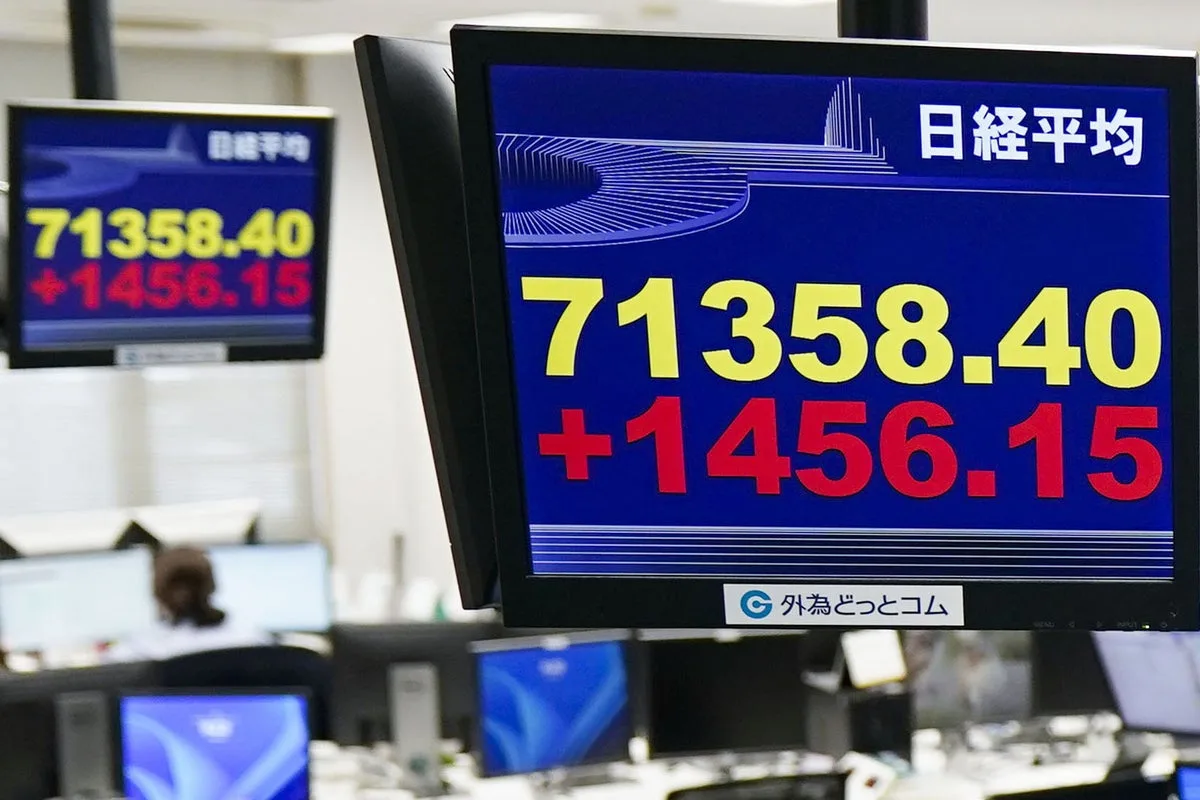
- Asian stock markets, including Japan's Nikkei and South Korea's KOSPI, reached record highs after the deal.
What Happened
The United States and Iran signed an initial peace agreement, leading to a resumption of oil tanker traffic through the Strait of Hormuz and a surge in Asian stock markets.
Why It Matters
The reopening of the critical Strait of Hormuz shipping route affects global oil supply chains, while the peace deal has influenced financial markets, particularly in Asia.
What's Next
Further negotiations between US and Iranian officials are expected in Switzerland, and observers are watching for continued stabilization of shipping and market responses.
Sources
Confirmed by 6 independent sources
- CBS NewsLeft5h agoStrait of Hormuz traffic ramps up in wake of U.S.-Iran deal signing
- NYTLeft21h agoStocks Decline on Fed Decision, and Oil Is Muted Amid Peace Deal Talks
- Bloomberg MarketsCenter9h agoFirst Saudi Supertankers Start Crossing Hormuz After Deal