Gulf Oil Exports Resume and Prices Fall After US-Iran Interim Peace Deal
1-Minute Brief
The resumption of Gulf oil exports and falling prices signal a shift in regional energy flows following the US-Iran peace agreement.
Key Facts
- Saudi Arabia is preparing to restart crude exports at the Ras Tanura terminal in the Persian Gulf.
- An Abu Dhabi National Oil Co. LNG tanker began broadcasting its location in the Persian Gulf after the peace deal.
- More vessels are now signaling their journeys in the region, indicating increased shipping transparency.
- Oil prices have fallen below levels seen before the Iran conflict began in February.
- Qatar has resumed crude sales to Asia, joining other Gulf producers in ramping up exports.
What Happened
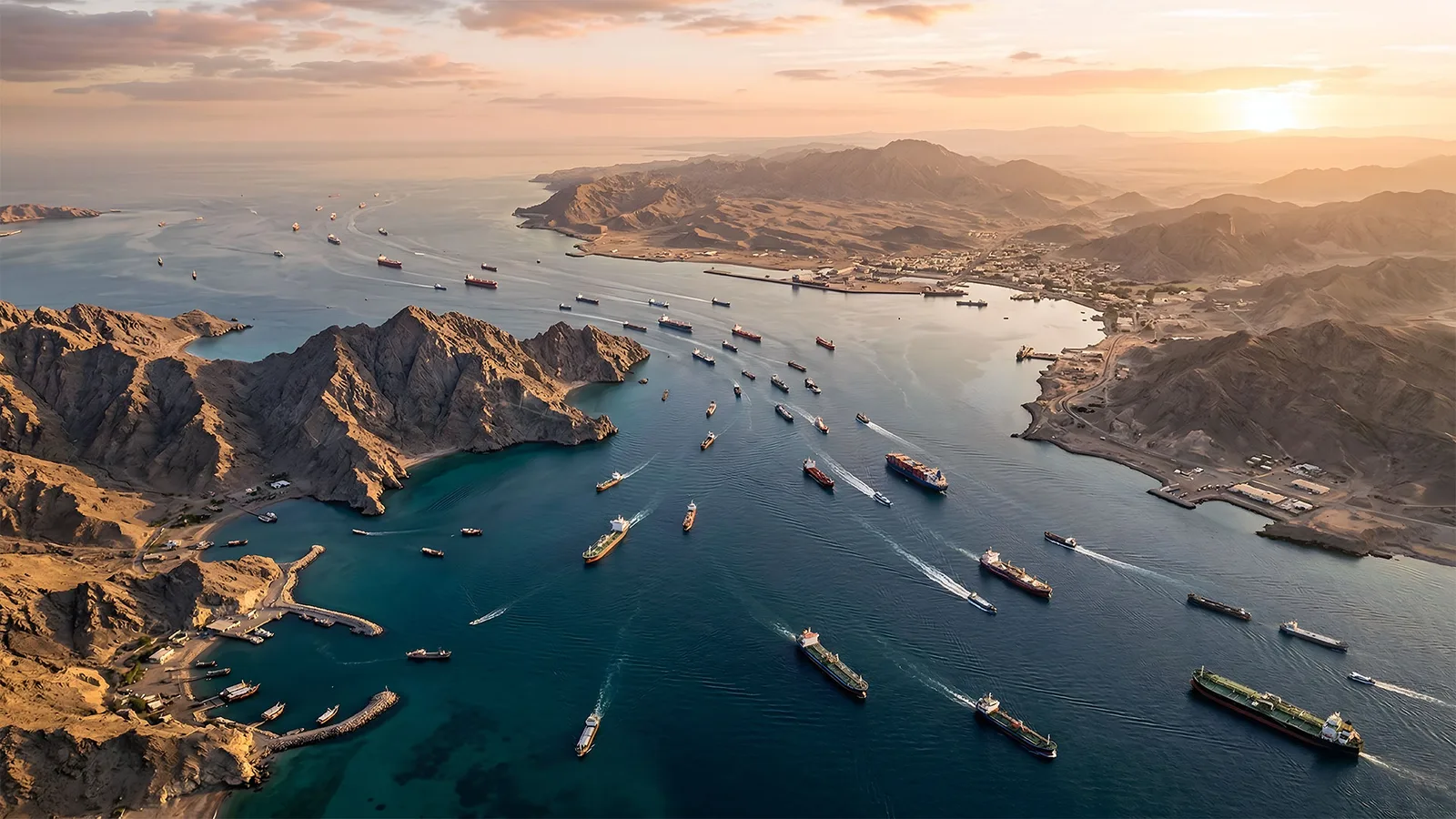
Following an interim peace deal between the US and Iran, major Gulf oil producers including Saudi Arabia and Qatar are restarting exports, and shipping activity in the Persian Gulf is increasing. Oil prices have dropped as a result.
Why It Matters
The renewed flow of oil from the Gulf could affect global energy markets, potentially lowering fuel costs for consumers and easing supply concerns that arose during the conflict.
What's Next
Observers are watching for further normalization of shipping through the Strait of Hormuz and monitoring Iran's response to new transit routes, as well as the pace at which lower oil prices reach consumers.
Sources
Confirmed by 5 independent sources
- Bloomberg MarketsCenter22m agoSaudis Set to Restart Ras Tanura Oil Exports as Gulf Flows Rise
- The IndependentLeft32m agoOil prices fall below pre-Iran war levels as fears grow of global crude oversupply
- Bloomberg MarketsCenter6h agoAdnoc LNG Tanker Appears in Persian Gulf as Transparency Returns