US and Iran Reach Provisional Peace Deal, Reopen Strait of Hormuz
1-Minute Brief
The agreement halts military conflict and resumes oil shipments, impacting global energy markets and regional stability.
Key Facts
- The US and Iran signed a provisional agreement to reopen the Strait of Hormuz and end military hostilities, initiating a 60-day negotiation period.
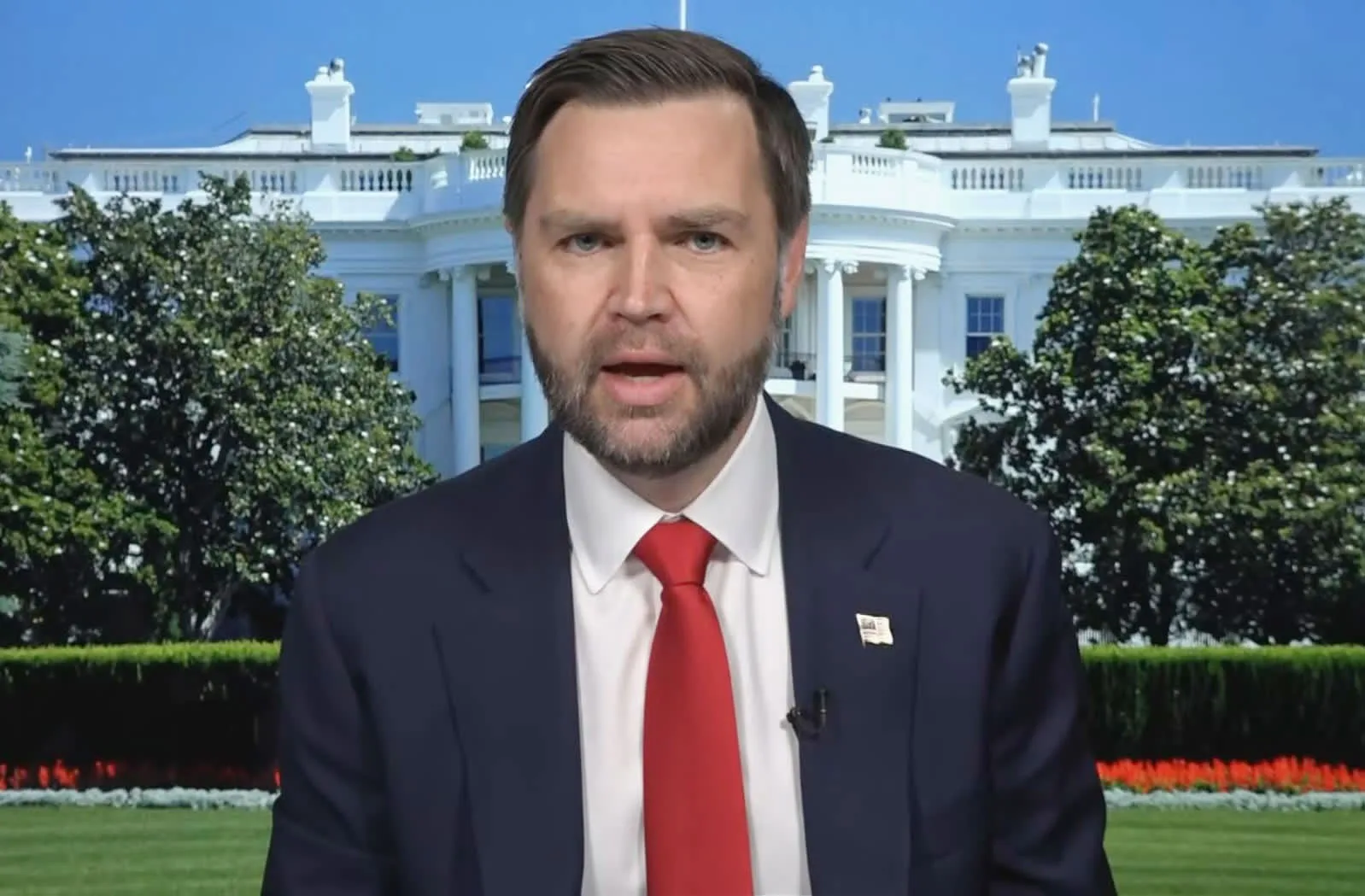
- US Senator Vance stated that the US holds significant leverage in upcoming talks with Iran.
- The Trump administration will maintain approximately 50,000 US troops in the Middle East during the negotiation period.
- The deal defers nuclear negotiations and does not include restrictions on Iran’s ballistic missile program or mandate regime change.
- The agreement was reached following a conflict that resulted in thousands of deaths, according to Bloomberg.
What Happened
The US and Iran have agreed to a provisional peace deal that ends active military operations, reopens the Strait of Hormuz for oil shipments, and establishes a 60-day window for further negotiations.
Why It Matters
This development could ease tensions in the Middle East, restore oil flows through a critical shipping route, and influence global energy prices and diplomatic relations.
What's Next
Technical and nuclear negotiations are set to continue over the next 60 days, with the US maintaining its military presence in the region. Observers are watching for further details and potential impacts on sanctions and regional security.
Sources
Confirmed by 6 independent sources
- Fox NewsRight55m agoUS won't move troops despite 'signed' Iran deal, as doubts linger over Tehran's next move
- Bloomberg MarketsCenter8h agoEE.UU. e Irán acuerdan detener guerra y reanudar envíos de petróleo en Medio Oriente
- CNBCCenter8h agoVance says 'a lot' of Iran deal details to figure out, but U.S. has 'all the cards'