US and Iran Reach Deal to Halt War and Reopen Strait of Hormuz
1-Minute Brief
The agreement is expected to impact global markets and regional security, but concerns and uncertainties remain about its long-term effects.
Key Facts
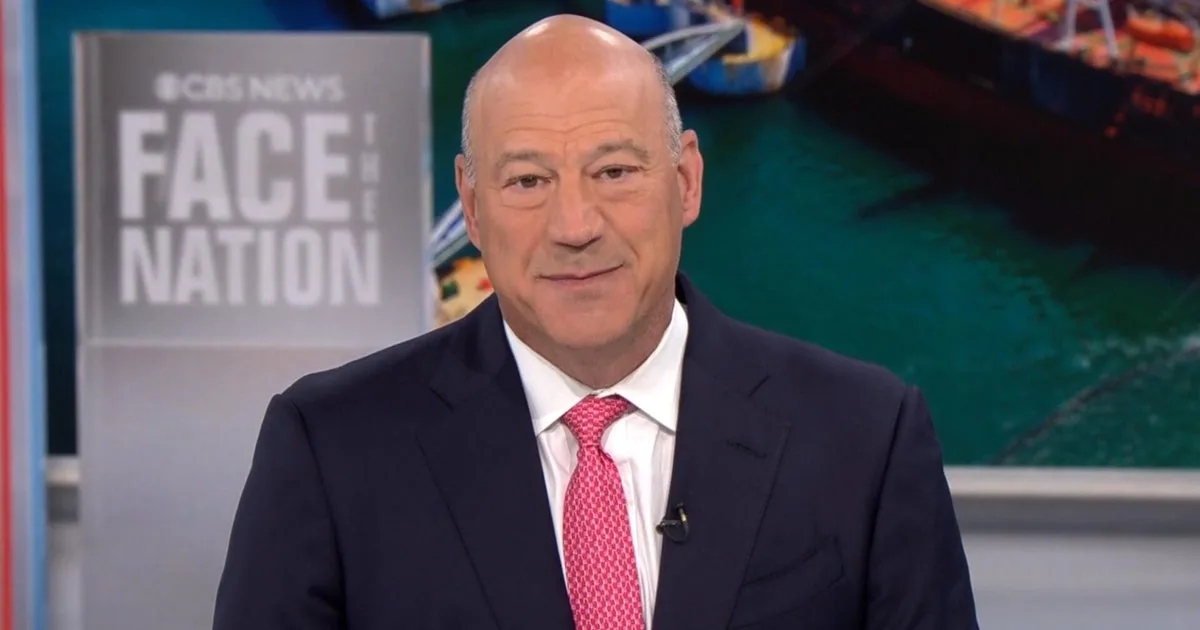
- Gary Cohn stated that prices are 'not going to fall like a rock overnight' if a truce is signed, citing uncertainty around the Strait of Hormuz.
- Qian Wang of Vanguard said the deal could boost the global economic outlook, though its sustainability remains uncertain.
- Grain futures declined in Chicago as the potential reopening of the Strait of Hormuz could ease supply shocks for farm inputs.
- Israeli commentators from across the political spectrum expressed concern that the deal leaves key security threats from Iran unaddressed.
- Robert Pape of the University of Chicago noted that Iran's leverage will not 'disappear' due to the deal and highlighted a lack of detailed information from both sides.
What Happened
The US and Iran have agreed to a deal to halt the ongoing war and reopen the Strait of Hormuz, prompting varied reactions from international stakeholders and market observers.
Why It Matters
The agreement has significant implications for global energy and commodity markets, as well as regional security dynamics. However, experts and officials note persistent uncertainties and differing perspectives on the deal's effectiveness and durability.
What's Next
Observers are watching for further details about the deal's implementation and its impact on energy prices, food inflation, and regional stability. Ongoing scrutiny is expected as parties assess the agreement's sustainability and security implications.
Sources
Confirmed by 4 independent sources
- CBS NewsLeft17h agoGary Cohn says prices are "not going to fall like a rock overnight" if Iran deal is signed
- NYTLeft15h agoIn Israel, Broad Discontent Over the Emerging U.S. Deal With Iran
- Bloomberg MarketsCenter9h agoVanguard's Wang on Iran-US Deal Economic Impact