Scientists Use AI to Design and Create 16 Synthetic Viruses
1-Minute Brief
The use of artificial intelligence to engineer new viruses raises both hopes for medical advances and concerns about biosafety.
Key Facts
- Scientists created 16 viruses with genetic codes designed by artificial intelligence.
- This marks the first time AI has been used to create synthetic viruses, according to reports.
- The viruses produced are not found in nature and were generated by training AI on DNA libraries.
- Some experts have raised concerns about potential biosafety risks associated with this technology.
- Researchers hope the AI-designed viruses could help develop treatments for antibiotic-resistant infections.
What Happened
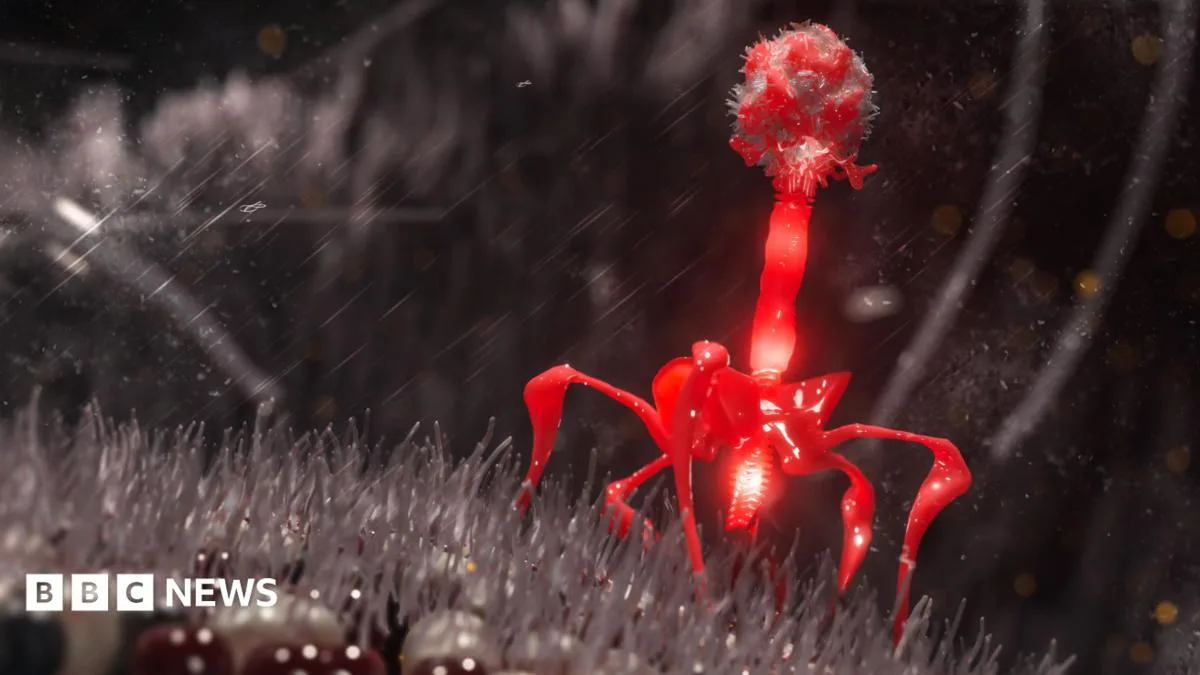
Researchers used artificial intelligence to design genetic codes for viruses, resulting in 16 viable synthetic viruses that do not exist in nature.
Why It Matters
This development demonstrates AI's capability to engineer new biological entities, which could lead to innovative medical treatments but also raises questions about safety and oversight.
What's Next
Further research and regulatory discussions are expected as scientists evaluate the potential benefits and risks of AI-designed viruses.
Sources
Confirmed by 4 independent sources
- BBC WorldCenter5h agoArtificial Intelligence used to design brand new viruses
- NYTLeft5h agoThis A.I. Just Created Viruses Not Found in Nature
- ft.comCenter5h agoAI creates first synthetic viruses