Stanford Scientists Use AI to Create Synthetic Viruses, Prompting Biosecurity Concerns
1-Minute Brief
Experts warn that AI-designed viruses may pose new biosecurity and bioweapon risks, raising debate over oversight in synthetic biology.
Key Facts
- Stanford University scientists used artificial intelligence to create new viruses.
- Large genome models were employed in the design process.
- The AI-generated viruses were not found in nature prior to this study.
- Researchers and commentators have raised concerns about potential bioweapon risks.
- The study has prompted renewed discussion about the future of biosecurity.
What Happened
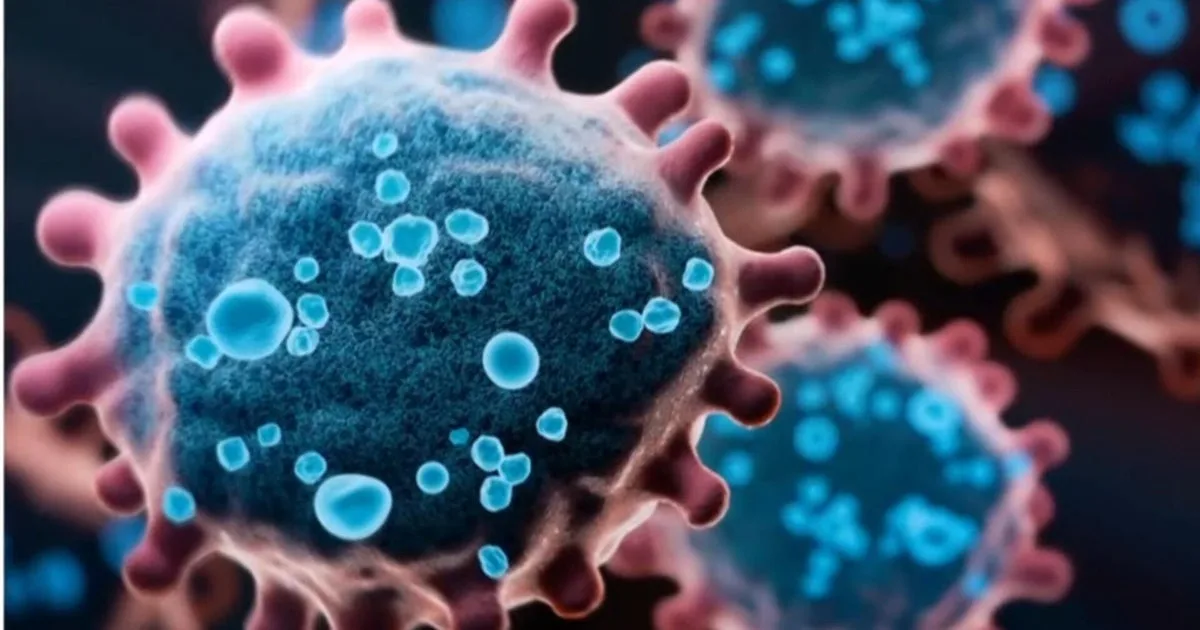
Scientists at Stanford University used artificial intelligence to design and create viruses that had not previously existed in nature, according to multiple reports.
Why It Matters
The development has raised concerns among scientists and policymakers about the potential misuse of AI in creating synthetic viruses, including the risk of bioweapons and challenges for biosecurity oversight.
What's Next
Further debate is expected regarding regulation and oversight of AI applications in synthetic biology. Additional studies and policy discussions may follow to address emerging risks.
Sources
Confirmed by 2 independent sources
- CBS NewsLeft2h agoScientists create new viruses with AI, raising alarms about the future of biosecurity
- SFGATEUnknown2h agoStanford AI virus study raises specter of bioweapon risk