Scientists Create Synthetic Cell That Feeds, Grows, and Reproduces in Lab
1-Minute Brief
This development marks a significant step in synthetic biology, raising questions about the definition and creation of life.
Key Facts
- Researchers have built a cell from non-living chemical components that can feed, grow, and divide in a laboratory setting.
- The synthetic cell, referred to as SpudCell, demonstrates the complete cell cycle including growth, genetic replication, and division.
- Scientists used lab-made DNA to construct the cell, which is described as a basic component of life created from scratch.
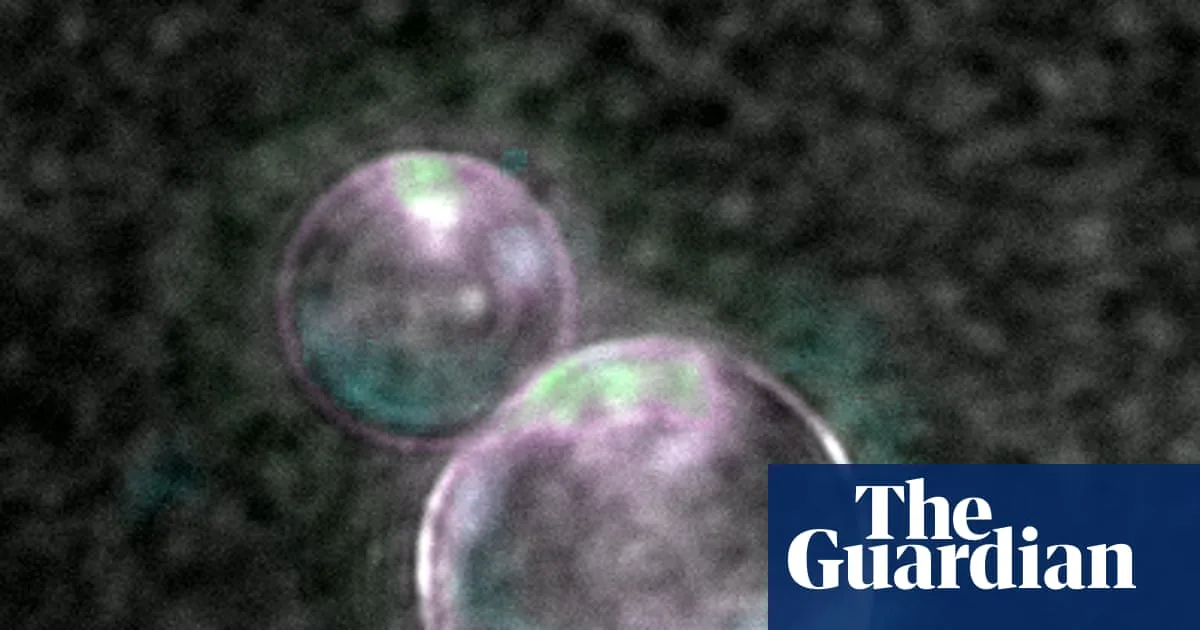
- The cells are described as 'tiny, quivering blobs' and are believed to be the first to replicate a biological cell's life cycle.
- Some researchers suggest these synthetic cells could be used in the future to produce drugs, food, or fuel.
What Happened
A team of scientists announced the creation of a synthetic cell, assembled from chemical compounds, that can feed, grow, and reproduce in laboratory conditions.
Why It Matters
The achievement advances the field of synthetic biology and prompts debate about what constitutes life, with potential implications for biotechnology and medicine.
What's Next
Researchers are expected to further study the capabilities and limitations of these synthetic cells, and explore possible applications in manufacturing and healthcare.
Sources
Confirmed by 6 independent sources
- NYTLeft10h agoSpudCell: Scientists Made a Cell With Most of the Hallmarks of Life. Here’s What to Know.
- The GuardianLeft11h ago‘Beautiful blobs’: synthetic life a step closer as scientists make cells using lab-made DNA
- The New York TimesLeft11h agoThis Cell Feeds, Grows and Reproduces. And It’s Manmade.