U.S.-Israeli Military Action on Iran Prompts Political Responses and Oil Market Concerns
1-Minute Brief
U.S.-Israeli military action against Iran has elicited varied political reactions and raised concerns about oil supply risks.
Key Facts
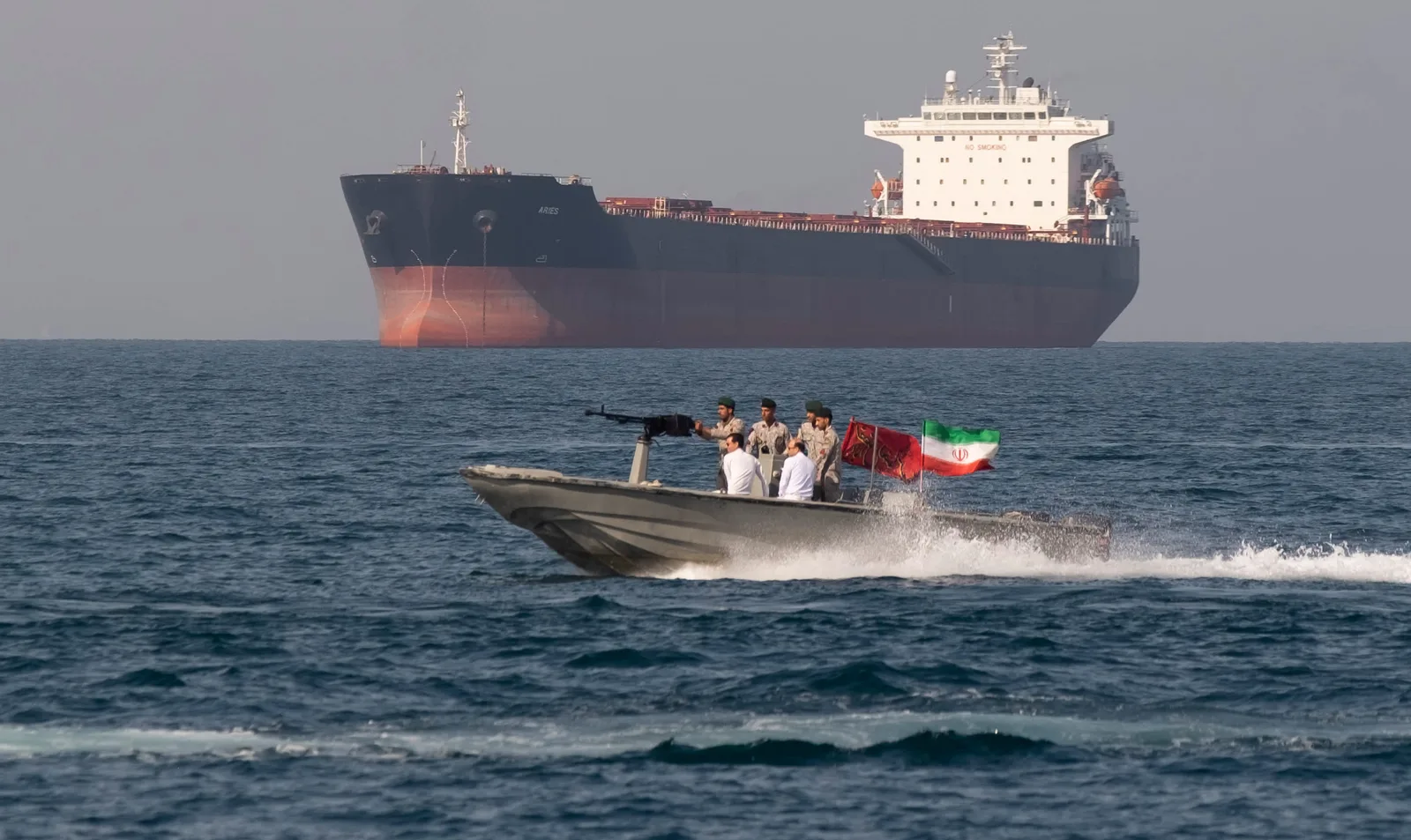
- Iran is the fourth-largest OPEC oil producer and controls the strategic Strait of Hormuz, a key oil transit route
- Republican politicians in the U.S. have largely expressed support for the U.S.-Israeli strikes on Iran
- Democratic politicians have not presented a unified position regarding the military action
- Rep. Mike Turner, a Republican from Ohio, stated on CBS News that Iran "remained a threat" to the U.S. and Israel before the military action
- According to CNBC, the attack raises the risk of disruptions to global oil supply due to Iran's role in oil production and shipping
What Happened
The U.S. and Israel conducted a military strike against Iran, citing security concerns. Following the action, Republican U.S. politicians generally expressed support, while Democrats did not offer a singular response. The strike has also raised concerns about potential impacts on global oil markets, given Iran's significant role in OPEC and control of the Strait of Hormuz, a critical oil transit point.
Why It Matters
Iran's position as a major oil producer and controller of a key shipping route means that military actions involving Iran may affect global energy supplies and prices. The differing political responses in the U.S. illustrate ongoing debates over foreign policy toward Iran. These developments could have implications for geopolitical stability and economic conditions internationally.
Sources
Confirmed by 3 independent sources
- CNBCCenter21h agoHow the attack on Iran could impact the global oil market and economy
- Al JazeeraLeft17h agoHow have US politicians reacted to the attack on Iran?
- CBS NewsLeftjust nowRep. Mike Turner says Iran "remained a threat" before U.S.-Israeli military action