US and Israeli Strikes on Iran Lead to Regional Retaliation and Oil Market Concerns
1-Minute Brief
US and Israeli strikes on Iran prompt Iranian retaliation and raise uncertainty in global oil markets.
Key Facts
- The US and Israel launched strikes across Iran, targeting multiple locations including Tehran.
- Iran responded with missile strikes against Israel and at least one US base in the region.
- Oil traders anticipate significant market volatility due to uncertainty over Middle East supply.
- Iran has threatened to block the Strait of Hormuz, a vital oil transit route, amid renewed tensions.
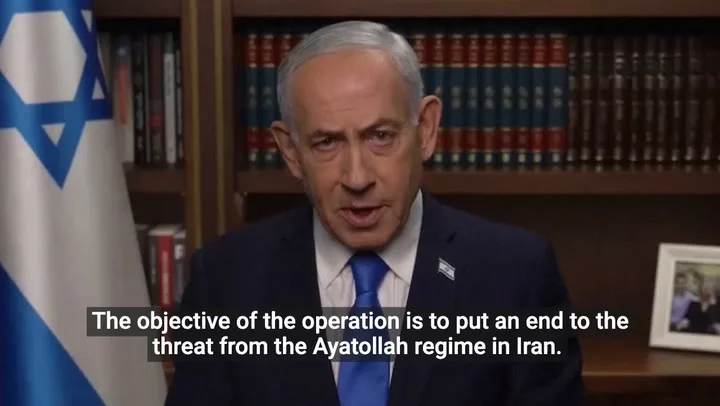
- Israeli Prime Minister Netanyahu stated strikes on Iran will continue 'as long as necessary'.
What Happened
The US and Israel carried out coordinated strikes on several sites in Iran, including locations in Tehran. Iran retaliated by launching missiles at Israel and at least one US base in the region. The situation has led to heightened tensions and concerns about further escalation.
Why It Matters
The conflict has raised fears about disruptions to global oil supply, especially due to threats against the Strait of Hormuz, a critical oil transit chokepoint. Oil traders are preparing for increased volatility, and regional security measures have been heightened. Ongoing military actions may impact energy prices and broader geopolitical stability. Reports vary on the exact number and locations of strikes and retaliations. Some details, such as specific targets and extent of damage, remain unconfirmed.
Sources
Confirmed by 7 independent sources
- The IndependentLeft2h agoOil prices set for swings next week as US-Israel strikes raise supply uncertainty
- Al JazeeraLeft2h agoMapping US and Israeli attacks on Iran and Tehran’s retaliatory strikes
- BBC NewsCenter1h agoUS and Israeli strikes on Iran in maps