U.S. and Israel Intensify Strikes on Iran Amid Regional Retaliation and Tensions
1-Minute Brief
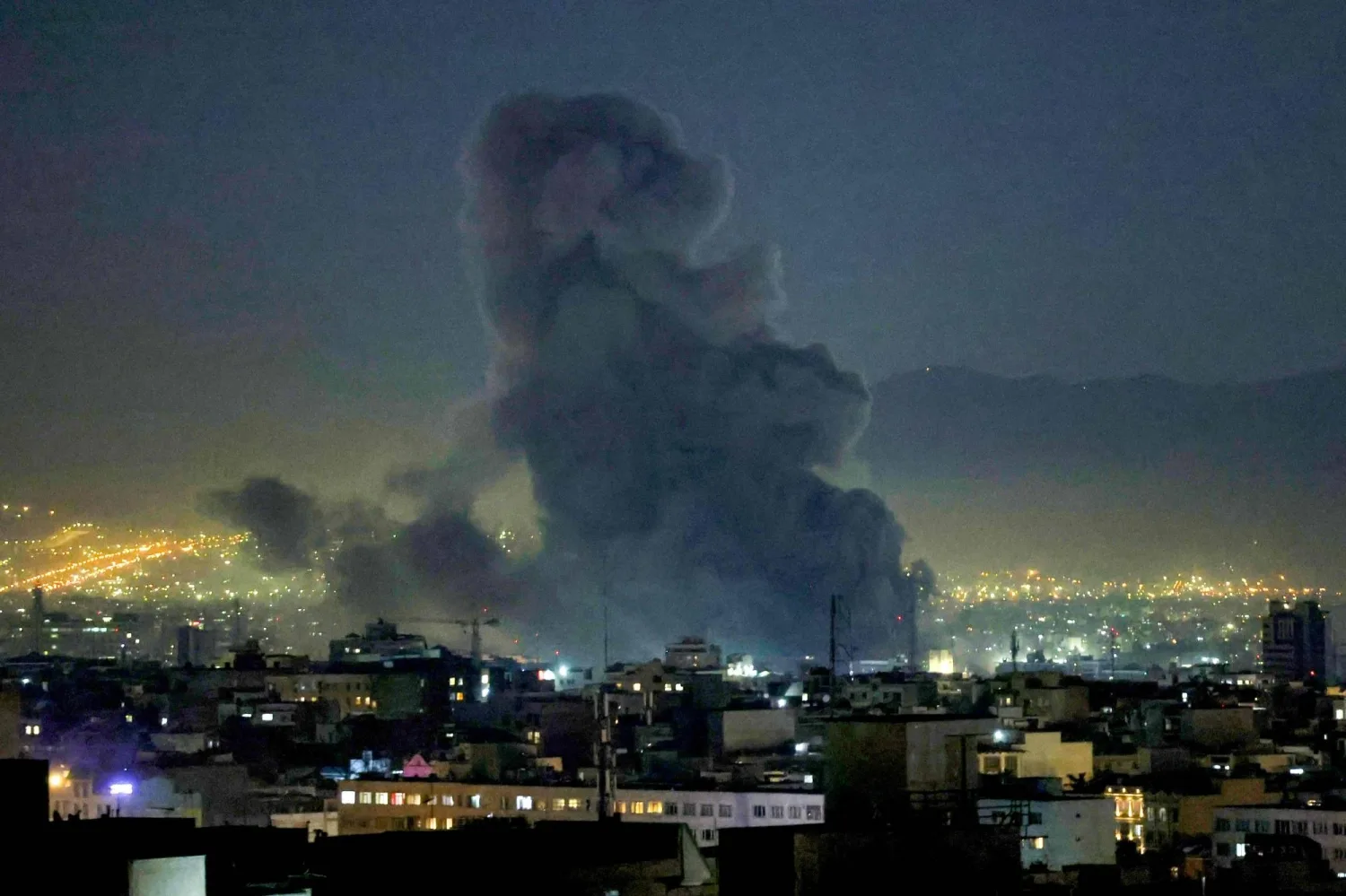
U.S. and Israeli forces launched over 1,000 strikes on Iran, prompting retaliatory attacks and regional unrest.
Key Facts
- The U.S. and Israeli militaries have conducted more than 1,000 strikes on Iran in the past three days.
- Iran and Iranian-backed militias fired missiles at Israel and Arab states, reportedly hitting the U.S. Embassy compound in Kuwait.
- U.S. and Israeli strikes, and Iranian retaliation, have impacted global sectors including shipping, air travel, and oil markets.
- Hezbollah has stated its intention to confront the U.S. and Israel but has not taken action since the attacks began.
- There are warnings of rising energy costs following the escalation.
What Happened
Following the killing of Iran's Supreme Leader, the U.S. and Israel launched over 1,000 strikes targeting Iranian military assets. Iran and allied militias responded with missile attacks on Israel and Arab states, with reports of the U.S. Embassy compound in Kuwait being hit. Hezbollah has issued statements but has not acted militarily.
Why It Matters
The escalation has raised concerns about broader conflict in the Middle East and disrupted global markets, particularly oil and shipping. Regional actors and international observers warn of potential further instability and economic consequences, including increased energy prices. Reports vary on the extent of Hezbollah's involvement and the precise impact on the U.S. Embassy in Kuwait.
Sources
Confirmed by 4 independent sources
- Japan TimesUnknown1d agoTrump says strikes to continue as Israel and Iran trade barrages after Khamenei killing
- Al JazeeraLeft1d agoHezbollah promises to confront US, Israel over Khamenei killing
- NPR NewsCenter15h agoHezbollah strikes Israel as American and Israeli planes pound Iran