Iran, U.S., and Israel Exchange Strikes Amid Rising Regional Tensions
1-Minute Brief
Iran, U.S., and Israel launched retaliatory strikes, resulting in casualties and fears of wider conflict.
Key Facts
- Iran launched retaliatory strikes on U.S. and Israel's allies as joint airstrikes continued within Iran.
- The U.S. and Israel conducted joint strikes in Iran on Saturday.
- President Trump announced that Supreme Leader Ayatollah Ali Khamenei had been killed.
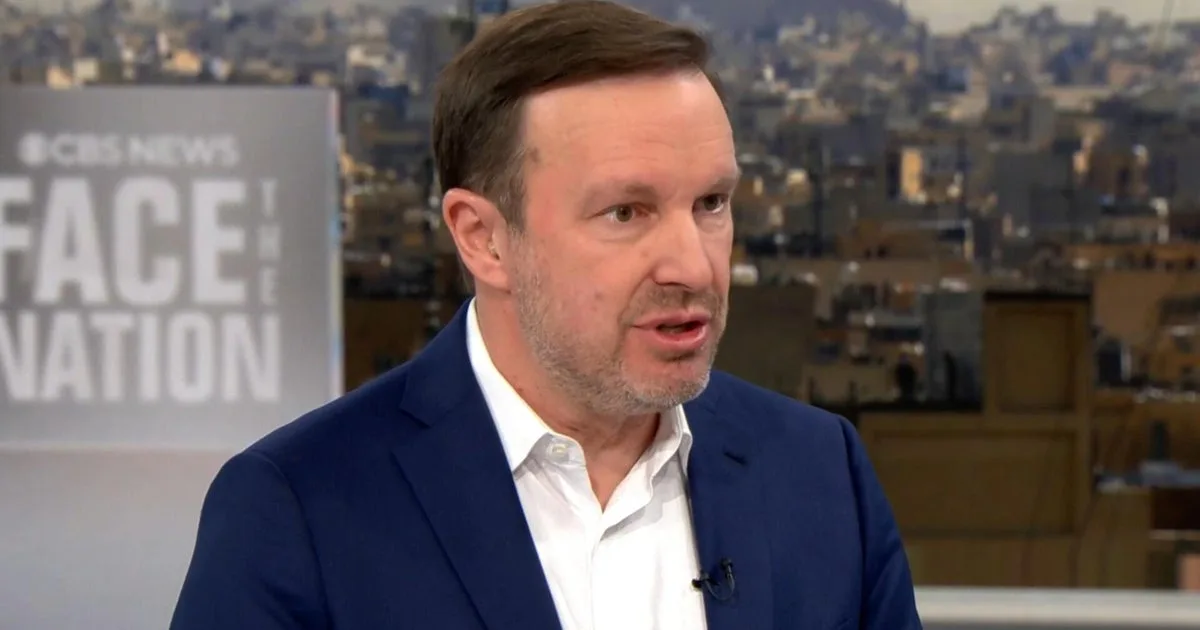
- Sen. Chris Murphy stated Congress would not authorize a massive military operation in Iran.
- At least three U.S. troops were confirmed killed in 'Operation Epic Fury.'
What Happened
Iran launched retaliatory strikes against U.S. and Israeli allies following joint U.S.-Israeli airstrikes in Iran. President Trump announced the death of Iran's Supreme Leader, and the Pentagon confirmed American casualties in the ongoing conflict. Regional tensions have escalated with additional strikes reported across Lebanon.
Why It Matters
The exchange of strikes raises concerns about the potential for a broader Middle East conflict. The confirmed casualties and high-level deaths may impact diplomatic relations and ongoing mediation efforts. Political leaders have questioned the authorization and planning behind the military operations. President Trump's announcement regarding Ayatollah Ali Khamenei's death is reported by CBS News [2]; confirmation from other sources is not available.
Sources
Confirmed by 3 independent sources
- CBS NewsLeft17h agoFears of a wider Middle East conflict grow as Iran launches retaliatory strikes
- CBS NewsLeft16h agoSen. Chris Murphy says Trump administration "has no plan for the chaos" in Middle East
- CBS NewsLeft1d agoDid Trump start a regional war in the Middle East?