Oil Shipments Resume Through Strait of Hormuz After Recent Disruptions
1-Minute Brief
The reopening of the Strait of Hormuz is affecting global oil supply and regional economic stability after recent maritime incidents.
Key Facts
- Saudi Arabia has increased oil shipments through the Strait of Hormuz following a pause, according to Kpler.
- The South Korean bulk carrier Namu, damaged in a May attack, is set to depart the Gulf.
- The Strait of Hormuz had seen disruptions, including attacks and ships running aground, before the recent reopening.
- Iranian oil shipping magnate Mohammad Hossein Shamkhani has been sanctioned by Western countries over his fleet.
- Al Jazeera reports that the resumption of oil flow may lead to a surplus in global energy markets.
What Happened
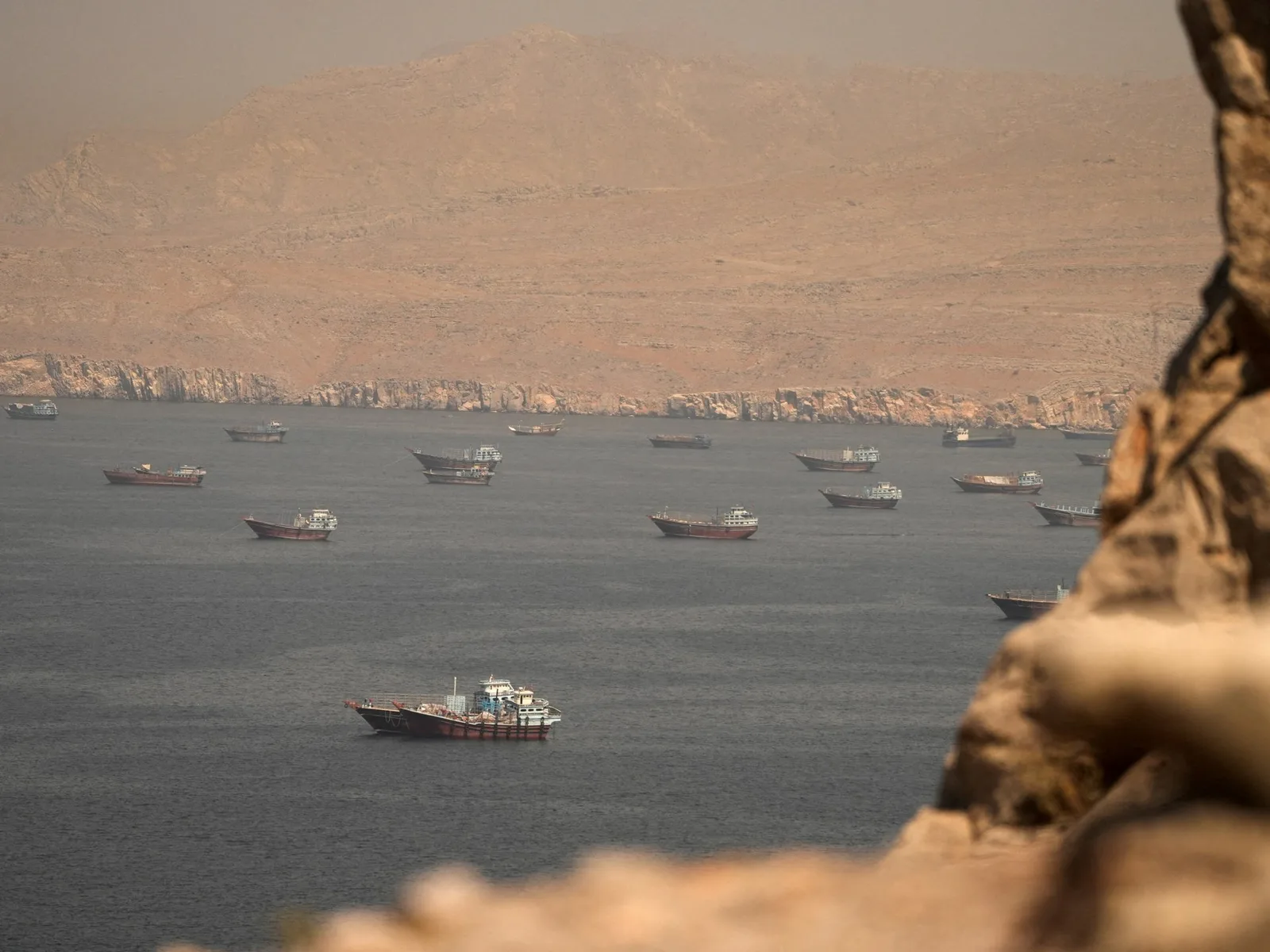
The Strait of Hormuz, a key maritime route for oil exports, has reopened after a period of disruptions involving attacks and shipping incidents. Oil shipments, particularly from Saudi Arabia, have resumed, and damaged vessels are departing the region.
Why It Matters
The reopening impacts global oil supply chains and market stability, with potential effects on energy prices and regional economies. Ongoing tensions and sanctions in the area continue to influence shipping and trade.
What's Next
Observers are monitoring oil market reactions to the resumed flow and any further incidents in the strait. The situation remains sensitive due to regional tensions and the potential for renewed disruptions.
Sources
Confirmed by 5 independent sources
- Al JazeeraLeft10h agoWith Hormuz reopened, has the oil shortage turned into a glut?
- Al JazeeraLeft9h agoWho is Iranian oil tycoon Shamkhani whose ship is stranded in Hormuz?
- The IndependentLeft1d agoSouth Korean cargo ship damaged in Strait of Hormuz attack set to depart Gulf