Strait of Hormuz Crisis Prompts Global Shipping Shifts and Oil Supply Concerns
1-Minute Brief
Disruptions in the Strait of Hormuz are affecting global supply chains and raising concerns about oil stockpiles, according to multiple sources.
Key Facts
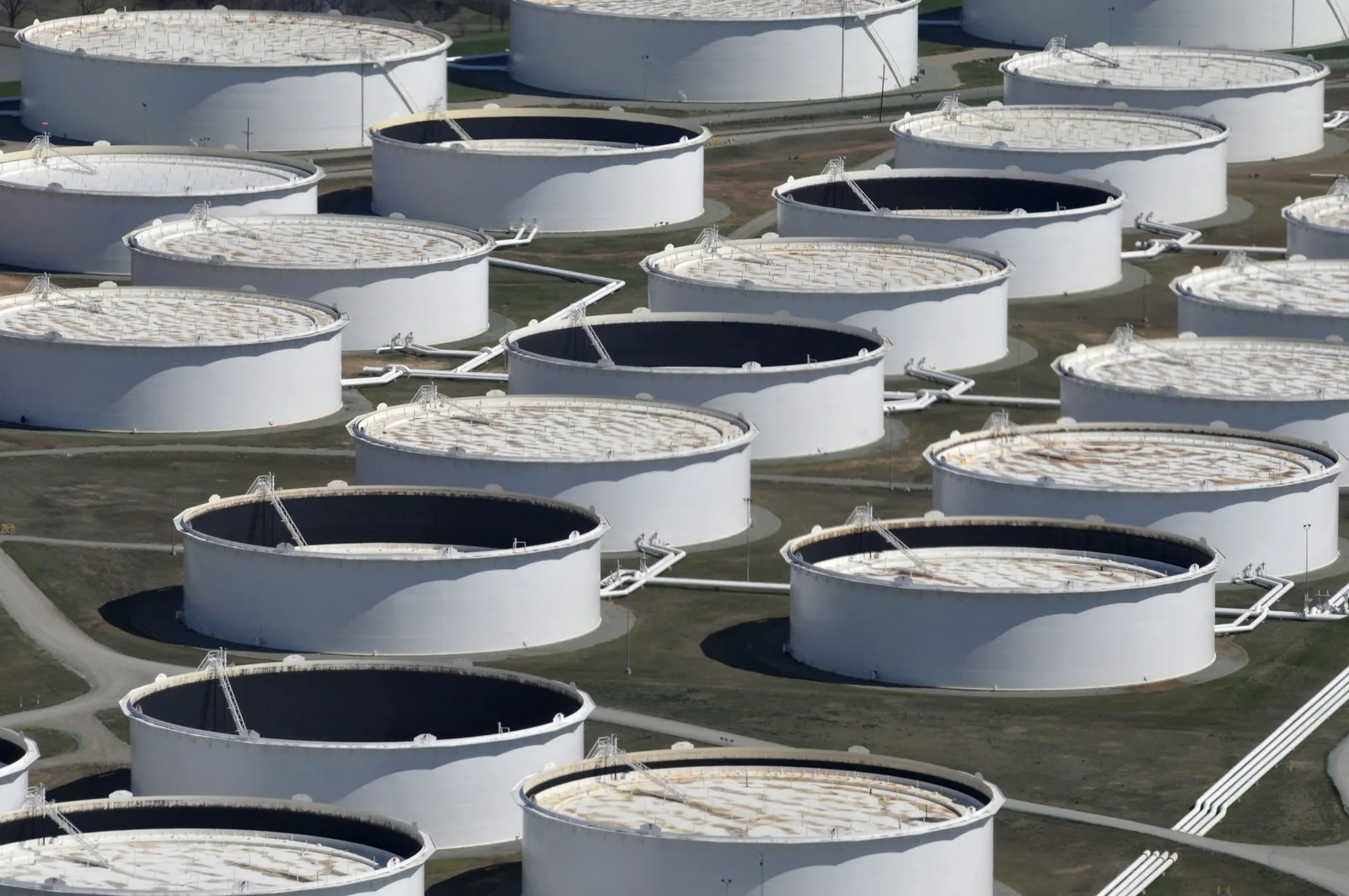
- UBS reports that global oil stockpiles could reach all-time lows by the end of May if the Strait of Hormuz remains closed.
- Container shipping routes are shifting, with ships increasingly traveling via India, Sri Lanka, and the Panama Canal.
- According to Reuters, President Trump said President Xi agrees Iran must open the strait, while China stated the war should not have started.
- Calbee says it will temporarily use only black and white colours on 14 of its products due to a lack of printing ink.
- President Trump defended his remarks about not thinking about Americans’ financial situation, stating, 'That’s a perfect statement,' according to The Independent.
What Happened
Tensions and disruptions around the Strait of Hormuz have led to changes in global shipping routes and concerns over oil supplies, according to multiple sources. Diplomatic discussions between the US and China have not produced a concrete resolution.
Why It Matters
The Strait of Hormuz is a critical chokepoint for global oil and goods transport. Disruptions are impacting supply chains, raising prices, and increasing geopolitical tensions. Some claims, such as statements attributed to President Trump and President Xi regarding the Strait of Hormuz, are reported by single sources and may not be independently confirmed.
What's Next
Observers are monitoring oil stockpile levels and shipping disruptions. Diplomatic negotiations may continue, but no concrete resolution has been reached so far.
Sources
Confirmed by 5 independent sources
- The IndependentLeft15h agoTrump doubles down on his remark about not thinking about Americans’ financial situation: ‘That’s a perfect statement’
- Al JazeeraLeft2d agoJapanese snacks go black-and-white: Why Iran war is driving up ink prices
- MarketWatchCenter1d agoContainer shipping routes are shifting due to the Iran war — prices of goods could go higher.