Stanford Scientists Develop Mice with Functioning Human Brain Cells
1-Minute Brief
This research could provide new insights into human neurological diseases and raises ethical questions about animal experimentation.
Key Facts
- Stanford University researchers genetically altered mice to receive and function with human brain cells.
- The development is described as a major advance in modeling the human brain in mice.
- The modified mice may offer a new way to study conditions such as cerebral palsy.
- Ethicists are questioning whether these advances change how the mice should be treated.
- The research was reported by BBC News and NPR News.
What Happened
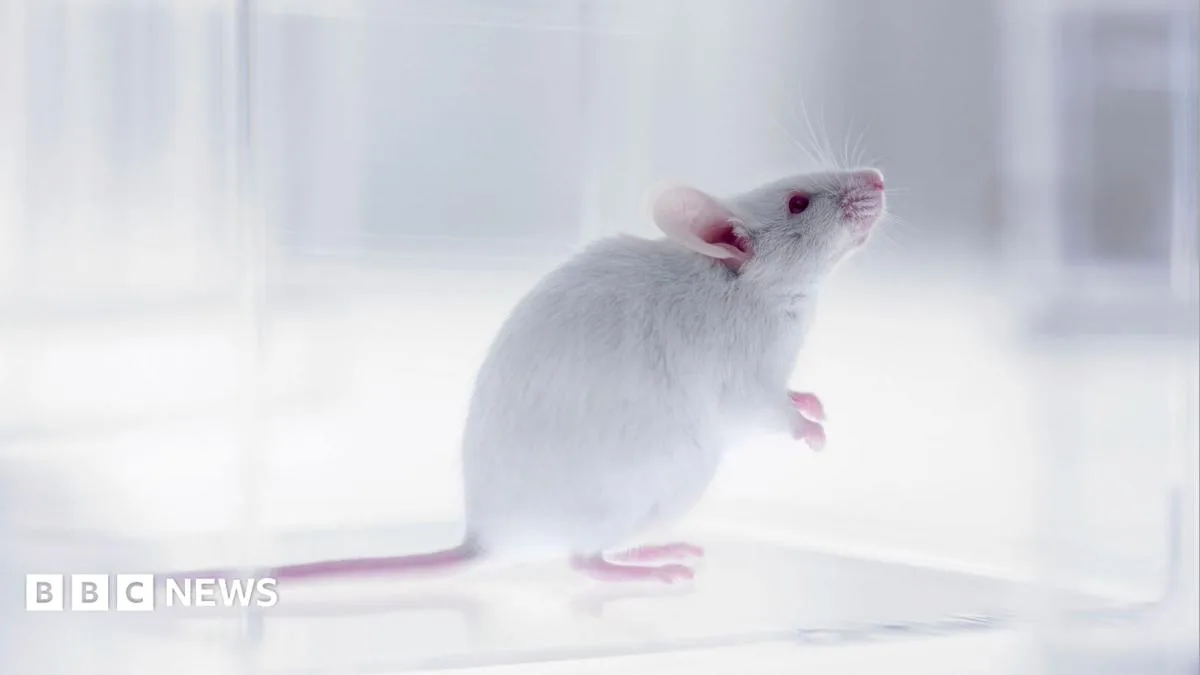
Researchers at Stanford University have genetically engineered mice to function with human brain cells, representing a significant scientific development.
Why It Matters
The creation of mice with human brain cells could improve the study of neurological diseases and disorders. However, it also prompts renewed ethical debates about the treatment and use of such animals in research.
What's Next
Further research is expected to focus on disease modeling and understanding brain function, while ethical discussions about animal welfare and research guidelines are likely to continue.
Sources
Confirmed by 2 independent sources
- BBC NewsCenter21m agoPart-human part-mouse brain developed in science breakthrough
- NPR NewsCenter1h agoMice with human brain cells offer a tool to study disease. Ethicists ask: What's next?