Middle East conflict affects Strait of Hormuz shipping and Qatar LNG production
1-Minute Brief
Reports indicate disruptions in Strait of Hormuz tanker traffic and Qatar LNG output amid Iran-related attacks.
Key Facts
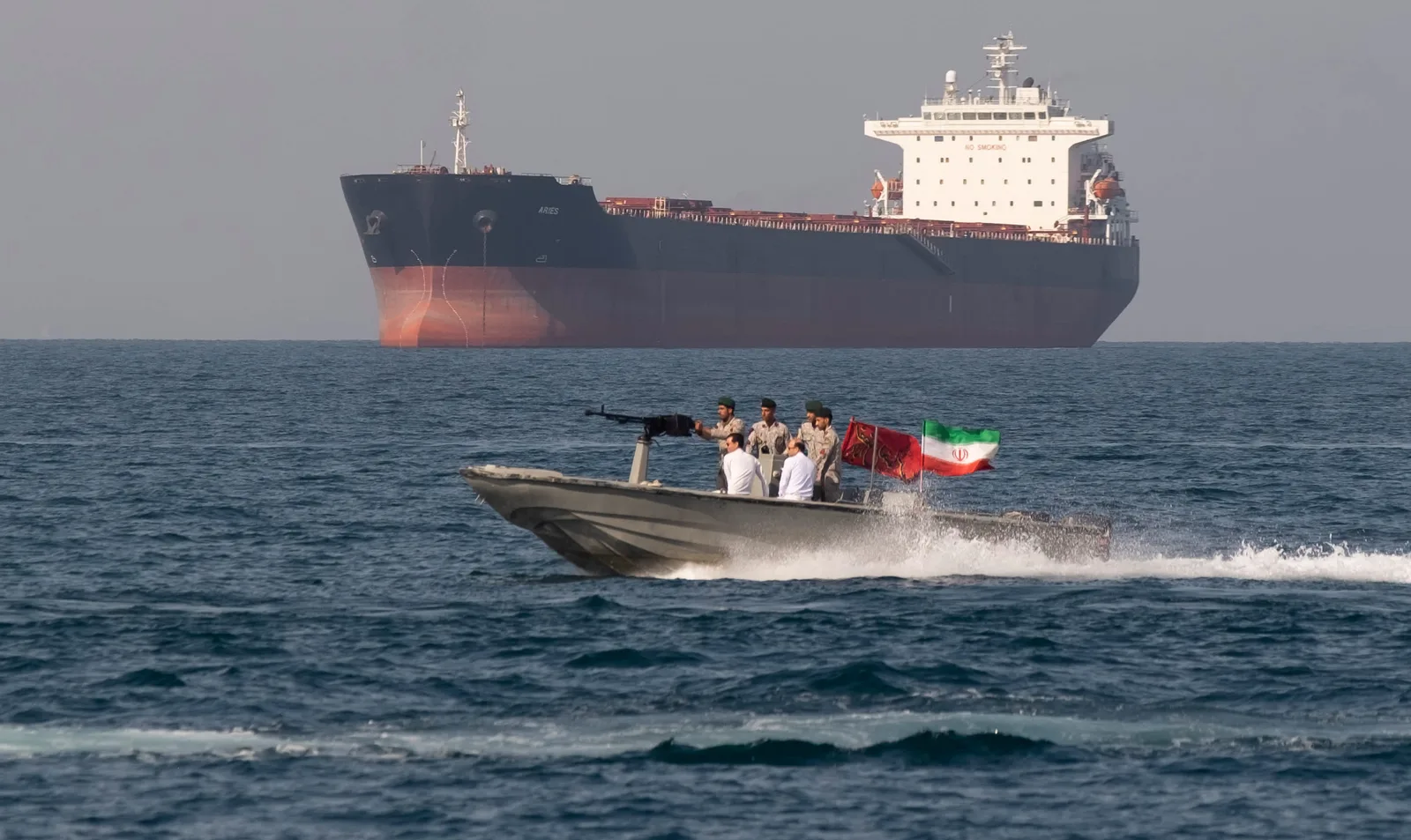
- The Strait of Hormuz is a key maritime corridor for global oil shipments, with reported disruptions to tanker traffic linked to the Iran conflict
- Oil prices have risen following reported disruptions in tanker traffic through the Strait of Hormuz
- Qatar's state-run energy company, QatarEnergy, announced it halted Liquefied Natural Gas (LNG) production after attacks on two of its gas processing facilities, according to reports
- Analysts and officials have expressed concerns about potential prolonged disruptions to global trade and energy markets due to the conflict
- The UK government has been urged by some groups to take measures to keep energy prices affordable amid the Middle East conflict
What Happened
According to multiple reports, the conflict involving Iran has coincided with attacks on energy infrastructure, including gas processing facilities in Qatar, and disruptions to tanker traffic through the Strait of Hormuz. These events have been associated with increases in oil prices and concerns about energy supply chains.
Why It Matters
The Strait of Hormuz serves as a major route for global oil exports, so reported disruptions there may impact global energy security and trade. The halt in Qatar's LNG production, as reported by QatarEnergy, could affect energy markets. Various stakeholders, including some in the UK, have called for measures to address potential energy price increases amid the conflict. Information about the extent and duration of disruptions is based on initial reports and statements; some details remain unconfirmed or evolving.
Sources
Confirmed by 3 independent sources
- CNBCCenter7h agoThe Strait of Hormuz crisis explained: What it means for global shipping
- France24Unknown2h agoWhat the war in Iran means for global energy security
- The IndependentLeft1h agoWhat to know about the Strait of Hormuz, a key passageway essential for global energy supply