Middle East Conflict Impacts Global Markets, Energy Prices, and Political Responses
1-Minute Brief
Ongoing conflict in the Middle East is affecting global energy prices, markets, and international policy reactions.
Key Facts
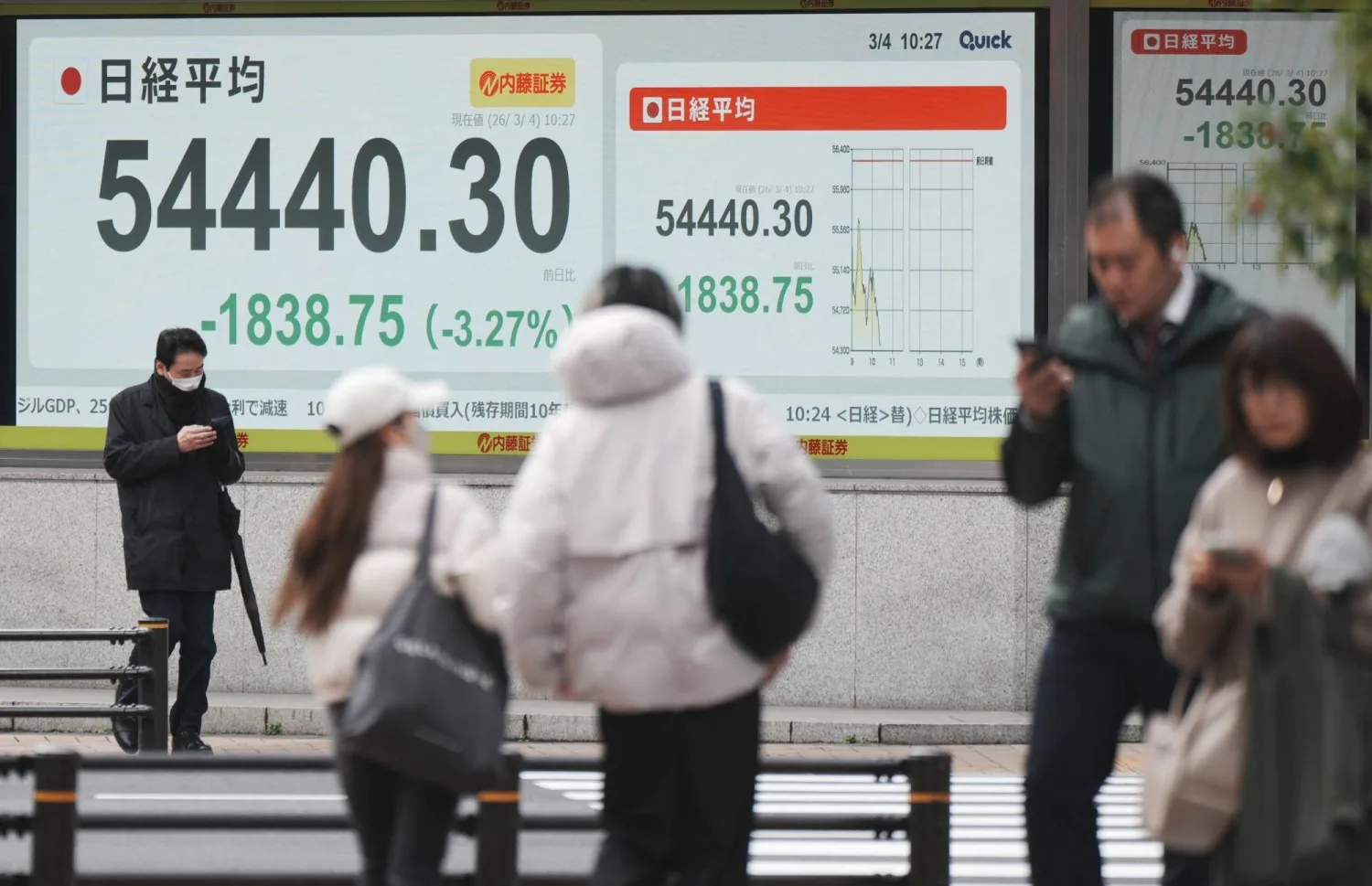
- Tokyo stocks dropped for a third day amid concerns over the Middle East conflict and rising oil prices.
- Spanish Prime Minister Pedro Sanchez publicly opposed war against Iran and urged diplomatic resolution.
- Global markets and political leaders are responding to the conflict, with concerns about prolonged instability.
- An Adidas store was bombed in the Middle East, according to the company's CEO.
- Analysts warn that the conflict could further increase oil prices and impact economies worldwide.
What Happened
The conflict in the Middle East has led to falling stock markets, rising energy prices, and heightened global economic uncertainty. Political leaders, including Spain's PM, have called for diplomatic solutions, while incidents such as the bombing of an Adidas store have been reported.
Why It Matters
The conflict is causing volatility in global markets and energy prices, affecting economies and living standards in multiple countries. Political responses and calls for diplomacy highlight the potential for broader international impacts, while disruptions to businesses and infrastructure add to concerns.
Sources
Confirmed by 6 independent sources
- Japan TimesUnknown10h agoTokyo stocks drop for third day on war in Middle East and growing uncertainty
- The IndependentLeft7h agoAdidas store bombed in the Middle East, CEO says
- Al JazeeraLeft7h agoSpanish PM says ‘no to war’ in Middle East