Global Fuel Prices Surge Amid Iran War and Supply Disruptions
1-Minute Brief
Rising fuel prices are straining economies and prompting countries to diversify energy sources and accelerate transitions.
Key Facts
- Analysts attribute surging gas and diesel prices to the Iran war and Russia-Ukraine conflict disrupting refining capacity.
- Thailand has reduced its reliance on Middle Eastern oil suppliers to less than 30% from about 60% before the crisis, according to Energy Minister Akanat Promphan.
- Countries are seeking alternative oil supplies and accelerating energy transitions in response to supply disruptions.
- China, as the world’s largest oil importer, has gained increased influence over global fuel prices and supply chains.
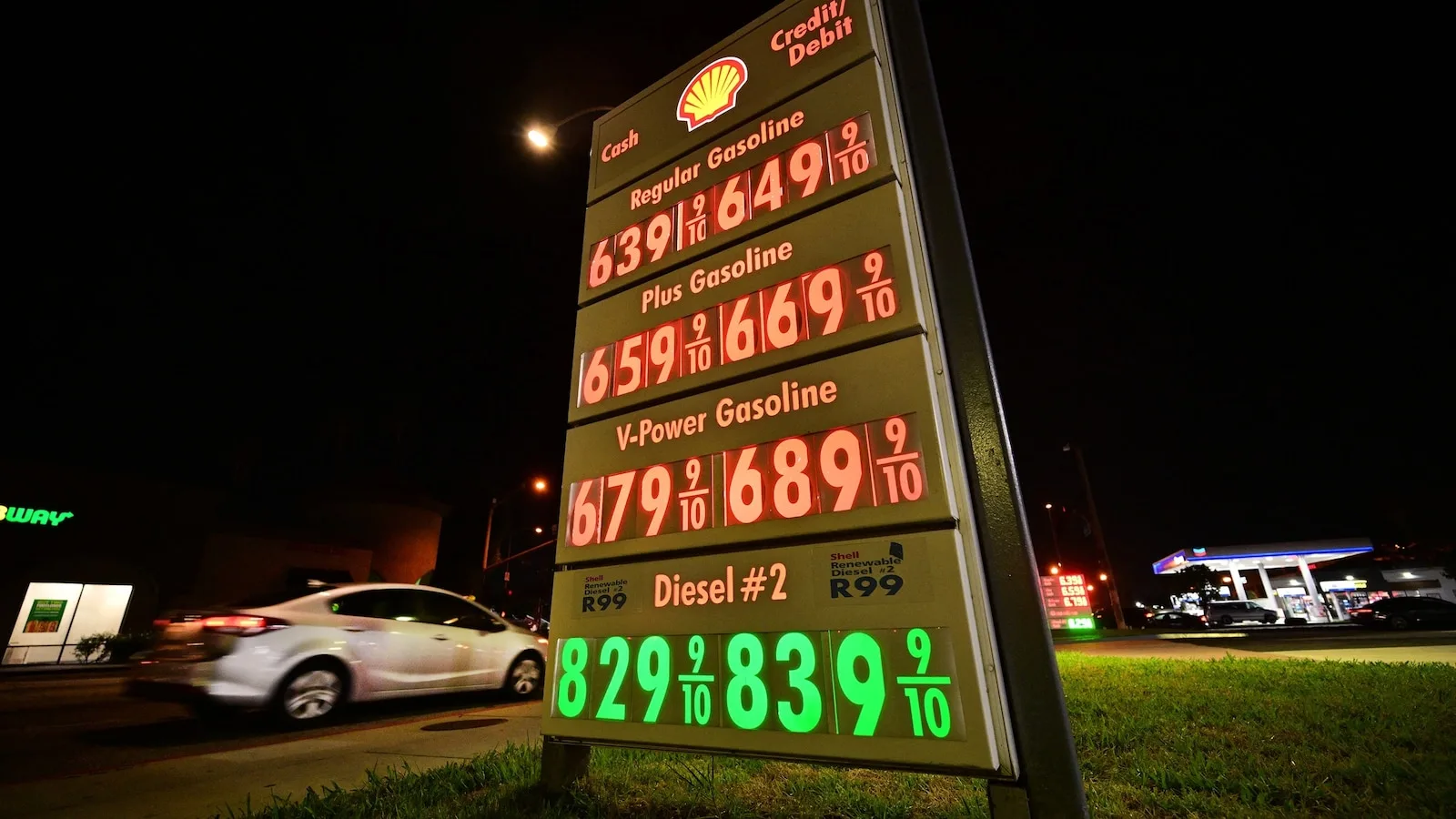
- The average U.S. diesel price was around a record-high $6.43 per gallon as of Friday morning, according to GasBuddy data.
What Happened
Fuel prices have reached record highs globally, driven by the Iran war, Russia-Ukraine conflict, and disruptions to oil supply and refining capacity.
Why It Matters
High fuel prices are affecting transportation, trade, and economic stability, leading countries to diversify suppliers and accelerate energy transition strategies.
What's Next
Observers are watching for further price volatility, additional supply adjustments, and policy shifts as countries respond to ongoing disruptions.
Sources
Confirmed by 6 independent sources
- CBS NewsLeft17h agoNo relief in sight for U.S. drivers as gas and diesel prices surge
- NYTLeft23h agoAs a New Oil Power, China Gains More Sway Over Energy Markets
- Bloomberg MarketsCenter1d agoThailand Seeks More Crude Oil Supplies Outside Mideast