Oil Prices Surge and Markets React Amid Ongoing Iran Conflict
1-Minute Brief
The Iran conflict has triggered a global oil supply crisis, driving up prices and causing economic disruptions across multiple sectors.
Key Facts
- UBS strategists project the dollar-yen exchange rate could reach 175 by year-end if oil disruption continues.
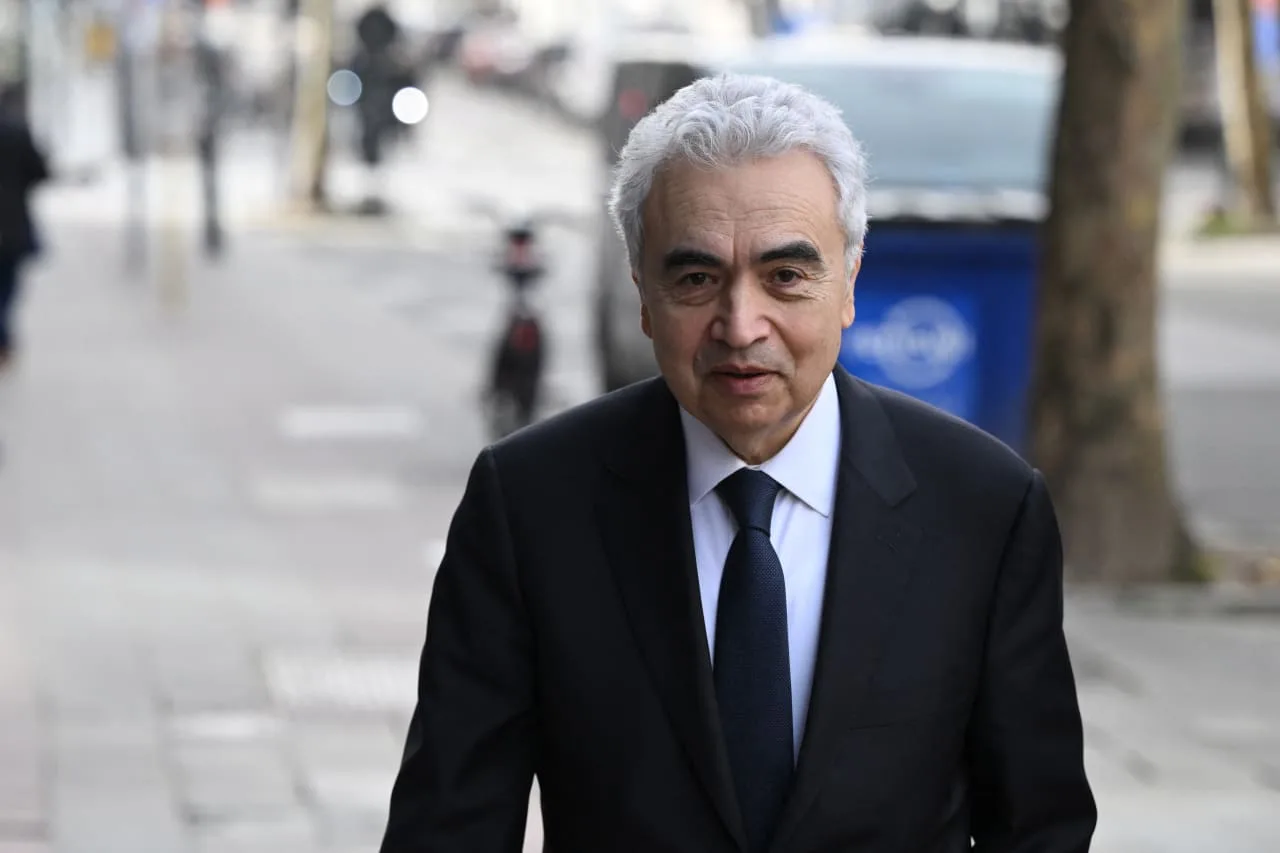
- IEA Executive Director Fatih Birol described the current situation as the worst oil crisis in history.
- Oil prices have fluctuated around $100 per barrel, with Brent crude jumping 6.5% to over $107.6 after recent US statements.
- Fuel shortages and price spikes have led to violence and fatalities at gas stations in Bangladesh, Pakistan, and India.
- Dubai-based aviation executive Gediminas Ziemelis warned that oil price spikes risk bankrupting airlines.
What Happened
Oil prices surged and financial markets declined following escalations in the Iran conflict and warnings from US officials, prompting concerns over global energy supplies.
Why It Matters
The oil supply crisis is impacting global currencies, fueling inflation, threatening airline viability, and causing unrest in countries facing fuel shortages.
What's Next
The International Energy Agency is considering further releases from strategic reserves, while market participants monitor ongoing geopolitical developments and potential supply disruptions.
Sources
Confirmed by 7 independent sources
- Bloomberg MarketsCenter9h agoUBS Says Dollar-Yen May Rise to 175 on Extended Oil Disruption
- Washington PostLeft44m agoIran war’s fuel crisis spurs panic, violence in nations facing shortages
- CNBCCenter22h agoOil supply crunch will worsen in April, IEA warns as it weighs releasing more strategic reserves