Iran War Disrupts Oil Transit and Drives Up Global Fuel Prices
1-Minute Brief
The ongoing US-Iran conflict has led to higher fuel prices and supply disruptions, affecting economies and consumer behavior worldwide.
Key Facts
- Chevron CEO Mike Wirth expressed concern about safe passage of ships through the Strait of Hormuz amid US efforts to restore transit.
- Shortages of certain consumer goods, such as Diet Coke, have been reported in India, with people hosting themed parties in response.
- The Iran war has caused disruptions in oil supplies, impacting both shipping and availability of goods in multiple countries.
- US fuel prices are approaching $4.50 a gallon, their highest level in four years, according to officials.
- Chevron Corp. is monitoring the situation in the Persian Gulf as the US attempts to restore safe transit through the region.
What Happened
The US-Iran conflict has disrupted oil transit through the Strait of Hormuz, leading to higher fuel prices and shortages of some goods in various countries.
Why It Matters
These disruptions are affecting global markets, increasing costs for consumers, and influencing economic and political dynamics in several regions.
What's Next
Observers are watching for further developments in the conflict, potential changes in oil supply routes, and the impact on global fuel prices and trade.
Sources
Confirmed by 5 independent sources
- Bloomberg MarketsCenter1d agoChevron ‘Concerned’ Over Hormuz Transit as US, Iran Trade Fire
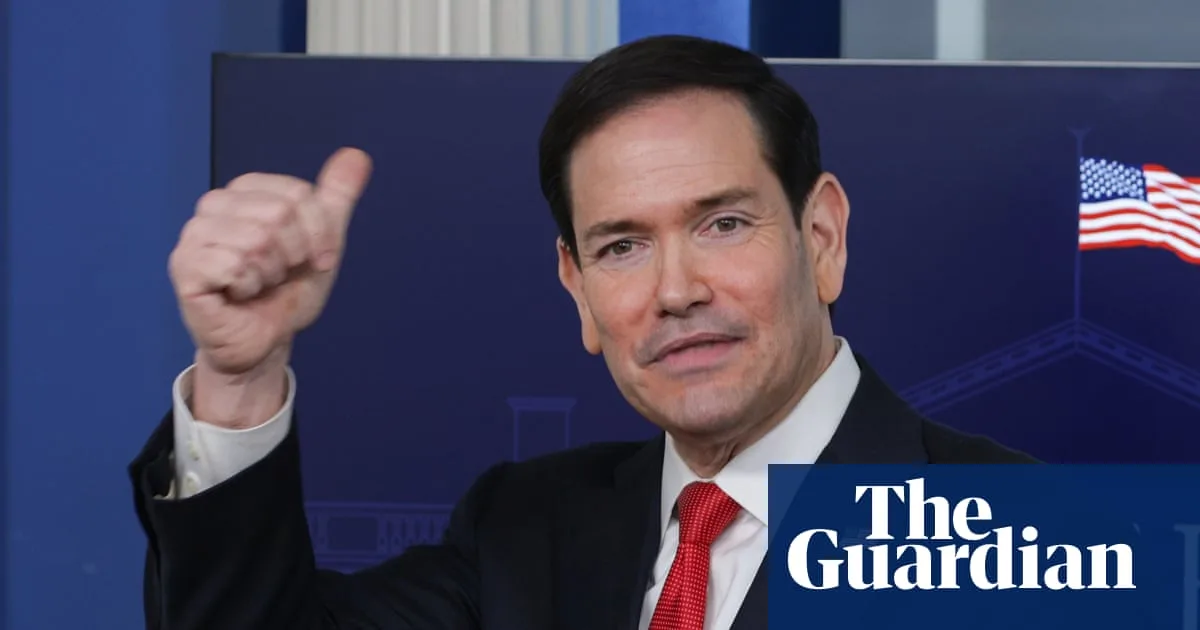
- The GuardianLeft26m agoRubio insists US is ‘very fortunate’ as Iran war pushes gas price near $4.50
- The IndependentLeft12h agoPeople in India are hosting Diet Coke parties as Iran war causes shortages