Asian Nations Impose Fuel Rationing Amid Oil Supply Disruptions from Iran Conflict
1-Minute Brief
Oil shortages linked to Middle East conflict prompt rationing and closures across Asia.
Key Facts
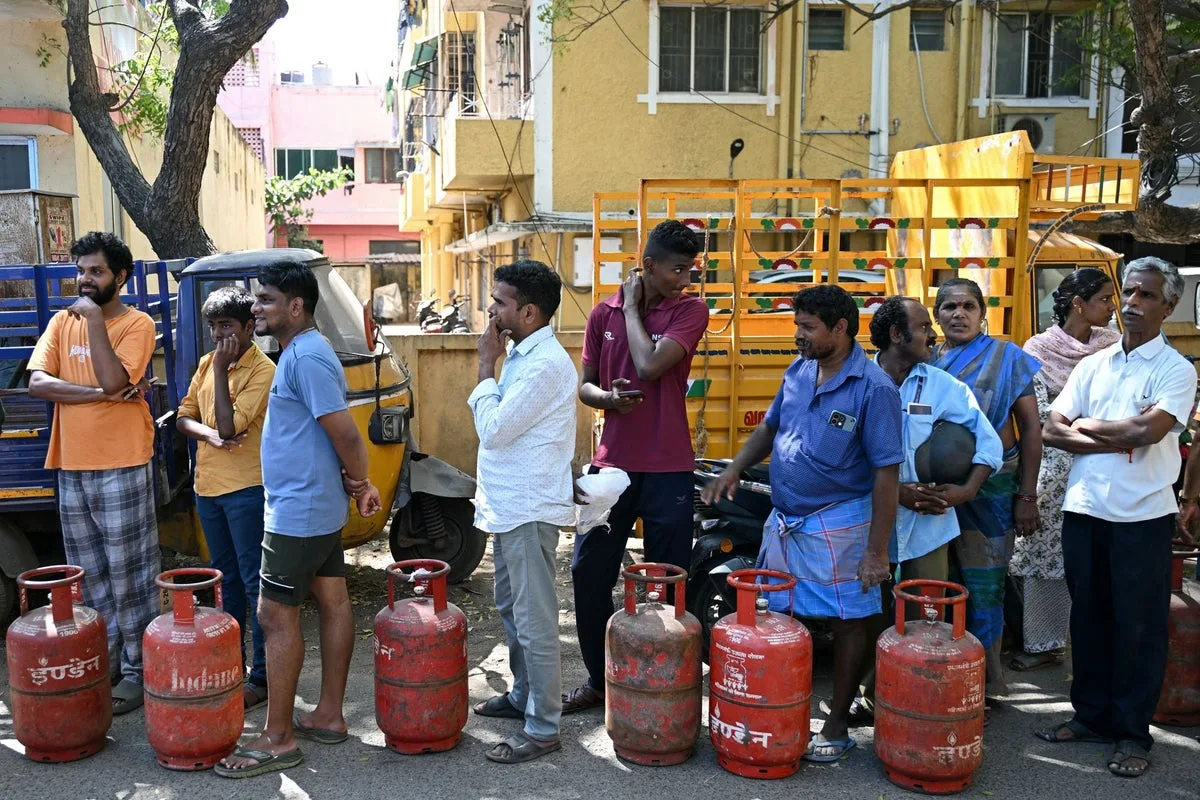
- India has begun rationing cooking gas, causing some eateries to close and industry bodies to warn of economic damage.
- Bangladesh has shut universities and limited fuel sales due to energy shortages following Middle East conflict.
- Both India and Bangladesh rely heavily on imported oil and gas, which have been disrupted by tensions in the Strait of Hormuz.
- Chinese oil refiners are canceling agreed refined fuel export cargoes, including gasoline and diesel, as Beijing tightens export curbs.
- Governments across Asia are implementing price caps, rationing, and stockpiling to address oil and gas shortages.
What Happened
Several Asian countries are experiencing oil and gas shortages due to supply disruptions linked to conflict involving Iran. Governments have responded with rationing, export curbs, and closures of institutions and businesses.
Why It Matters
The shortages are affecting daily life and economic activity in countries highly dependent on energy imports. Measures such as rationing and price caps aim to mitigate broader economic harm.
What's Next
Observers are monitoring how prolonged supply disruptions may impact inflation, economic stability, and further government interventions. Oil price volatility is expected as markets react to ongoing conflict.
Sources
Confirmed by 4 independent sources
- The IndependentLeft3h agoIndia rations cooking gas as Strait of Hormuz tensions choke supplies
- Bloomberg MarketsCenter3h agoChina Tightens Fuel Export Curbs as Iran War Hits Oil Supply
- Al JazeeraLeft3d agoBangladesh shuts universities, limits fuel sale as Iran war causes shortage