US-Iran Fighting Escalates in Gulf, Disrupting Strait of Hormuz and Oil Markets
1-Minute Brief
Escalating US-Iran conflict in the Gulf has disrupted global shipping and oil markets, raising regional and political tensions.
Key Facts
- Bond spreads for Middle Eastern governments have reached their highest levels since October 2022 amid renewed fighting between the US and Iran.
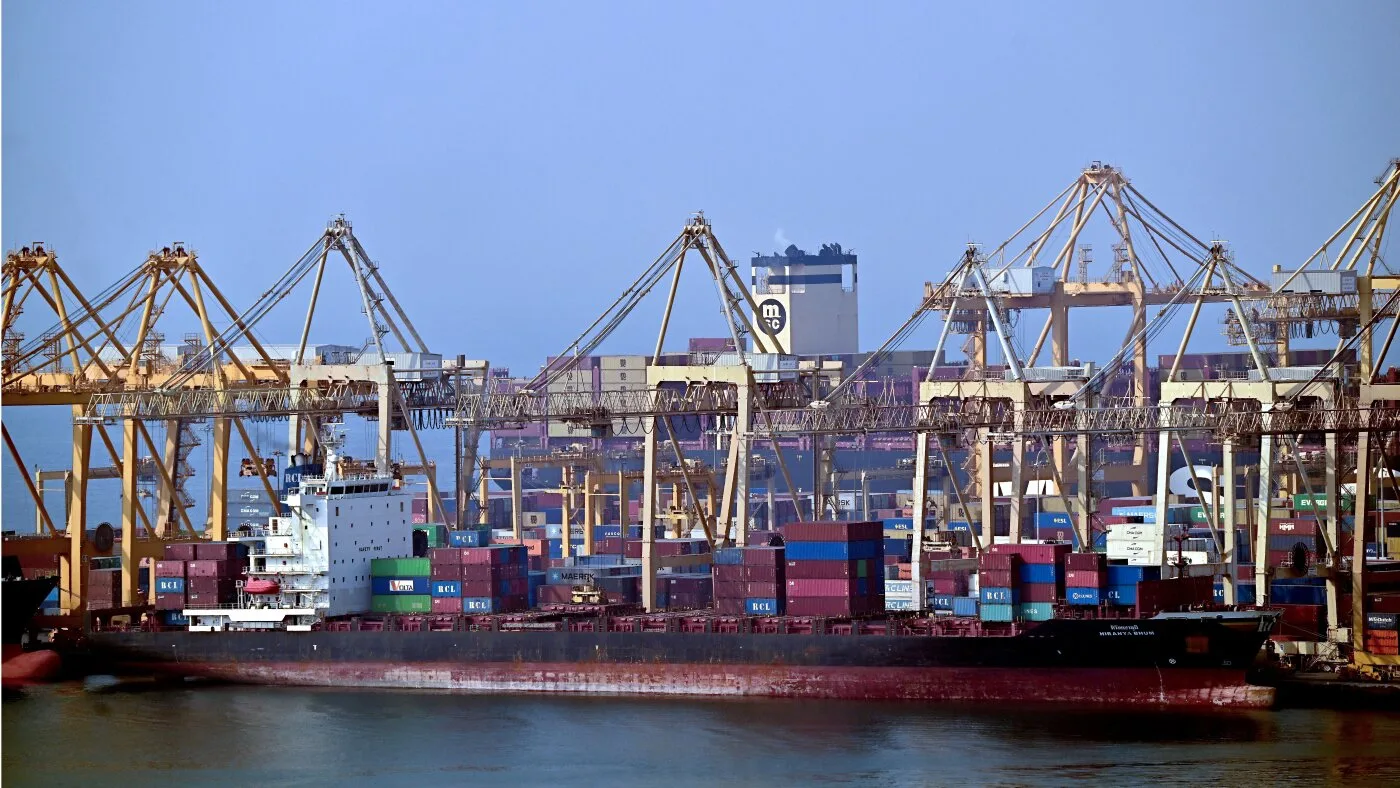
- Shipping traffic in the Strait of Hormuz has collapsed within a week as attacks increase, according to The Independent.
- An analyst described the Strait of Hormuz as 'back to the worst case scenario' amid escalating attacks, according to CBS News.
- Oil prices have risen in response to the crisis as the Strait of Hormuz becomes a battleground.
- A new report has found that ICE officers' use of force is not rare, according to NPR News.
What Happened
Fighting between the US and Iran has intensified in the Gulf, disrupting shipping through the Strait of Hormuz and impacting oil markets. Both sides have escalated attacks, with reports of civilian infrastructure being targeted and threats to neighboring countries.
Why It Matters
The conflict is affecting global energy supplies and financial markets, with rising oil prices and increased risk for investors. It also has significant political implications in the US and the wider Middle East.
What's Next
Observers are watching for further escalation or possible diplomatic moves, especially after Iran released an American detainee. The situation remains volatile, with potential impacts on global trade and regional security.
Sources
Confirmed by 6 independent sources
- NPR NewsCenter1d agoThe political risks from war in Iran. And, ICE's use of force is rising, report finds
- Bloomberg MarketsCenter1d agoMiddle East Bond Spreads Hit 2022 High as Ceasefire Breaks Down
- CBS NewsLeft2h agoIran War Updates: Strait of Hormuz "back to the worst case scenario" amid escalating attacks, analyst says