US Gasoline Prices Surge to $4.50, Impacting Consumers and Businesses
1-Minute Brief
Rising gasoline prices are increasing financial pressure on lower-income Americans and influencing consumer behavior across multiple sectors.
Key Facts
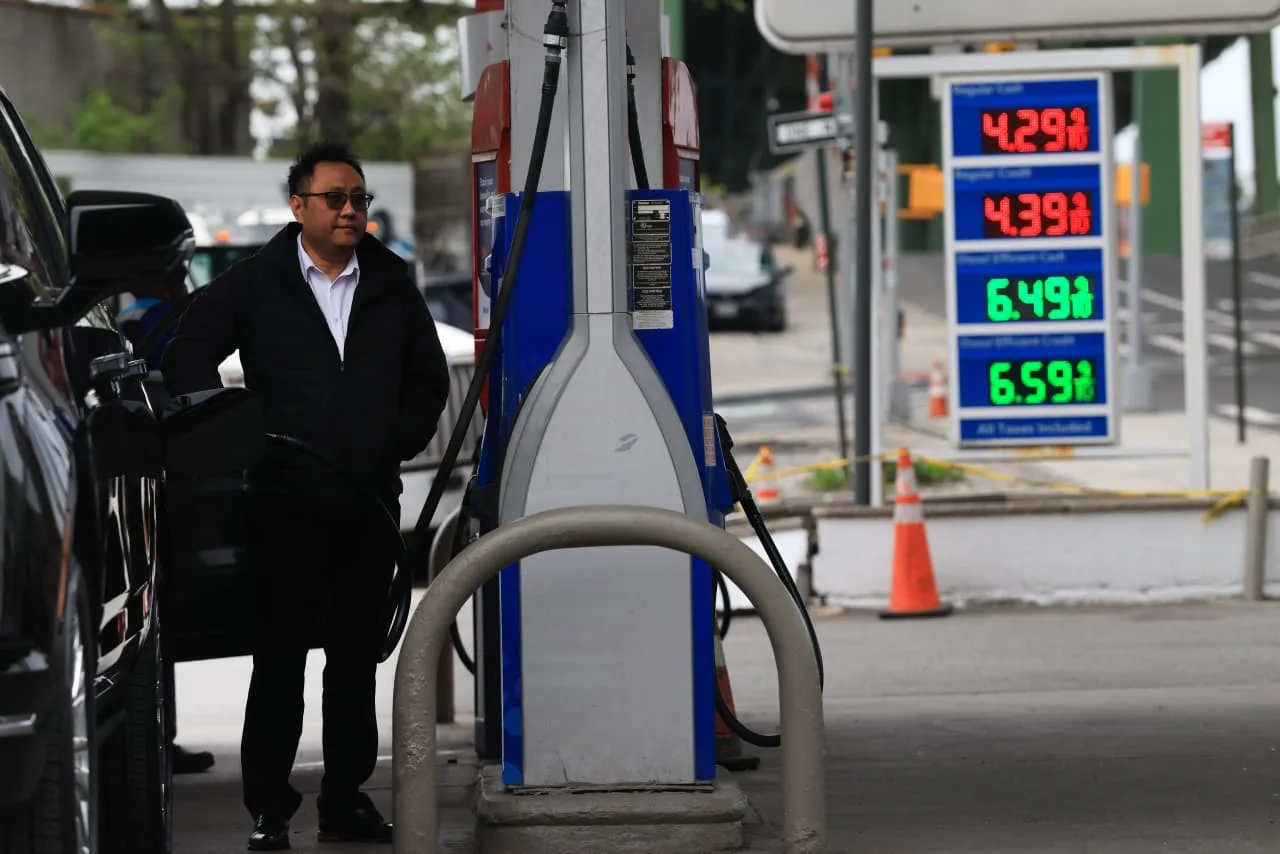
- US gasoline prices have reached $4.50 per gallon, nearing all-time highs according to multiple sources.
- Lower-income drivers have attempted to reduce gas consumption but still face higher overall spending due to price increases.
- Americans spent $125 million more on gas on a recent Friday compared to the previous week.
- Fast-food sales, including McDonald's, have risen despite higher gas prices, with value meals and new menu items cited as factors.
- Used car prices have fallen for the first time this year as gas prices spike, with increased interest in electric vehicles reported.
What Happened
Gasoline prices in the US have surged to $4.50 per gallon, with reports of increased spending at the pump and notable effects on consumer habits, especially among lower-income groups.
Why It Matters
The spike in gas prices is widening economic disparities, straining household budgets, and prompting shifts in spending patterns, including increased demand for value-oriented products and alternative vehicles.
What's Next
Analysts are monitoring how sustained high gas prices may further impact consumer spending, business operations, and the automotive market, including electric vehicle adoption.
Sources
Confirmed by 6 independent sources
- Google NewsUnknown1d agoWhy Gasoline Prices Vary So Much by State, County and City
- Google NewsUnknown10h agoFast-Food Sales Rise Despite Higher Gas Prices
- MarketWatchCenter23h agoEveryone’s paying more for gas, but only some are cutting back. Here’s why.