US-EU Tariff Dispute and Iran Protests Amid Nuclear Talks with US
1-Minute Brief
US tariff changes affect EU relations while Iran faces protests during nuclear negotiations with the US.
Key Facts
- US President Donald Trump raised a global tariff from 10% to 15% after the Supreme Court blocked emergency tariffs
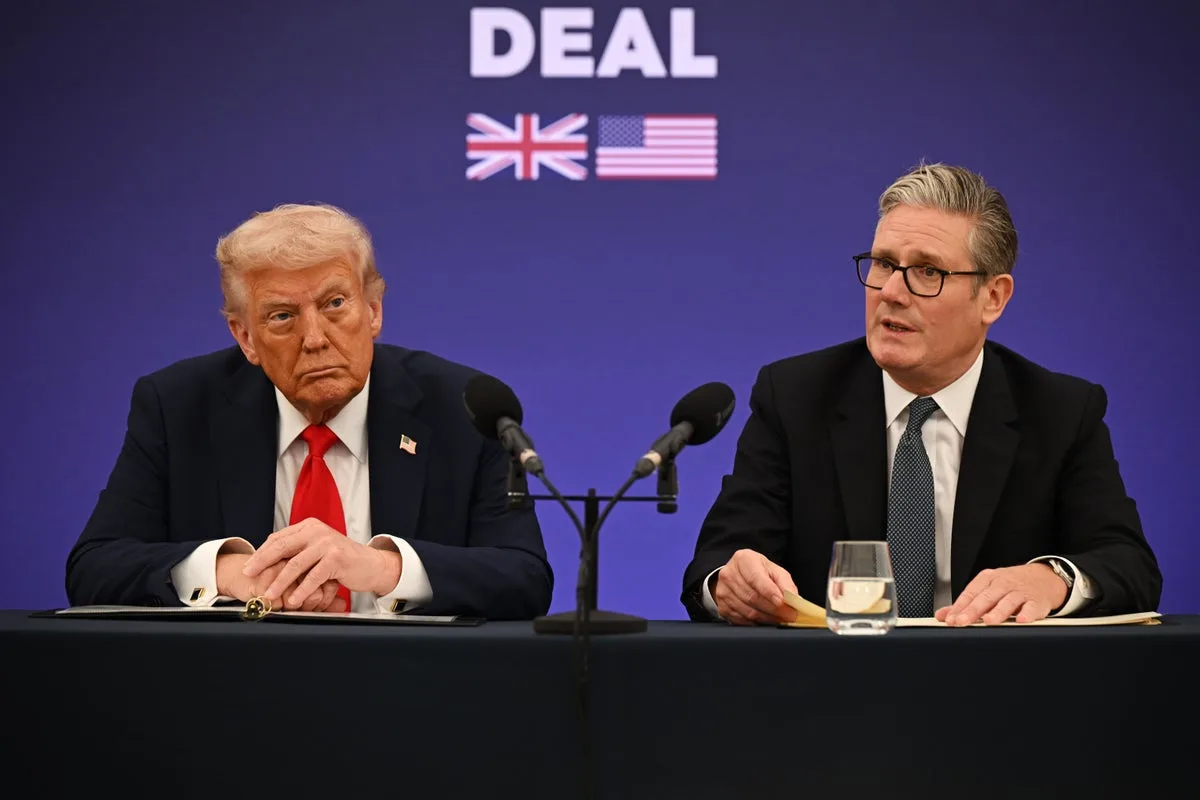
- The EU insists that existing tariff agreements with the US should be maintained, stating 'a deal is a deal'
- The UK education secretary hopes the preferential tariff deal with the US will continue despite tensions
- Iranian students held protests at universities for two consecutive days amid ongoing nuclear talks with the US
- Iran faces a US military buildup while negotiating a nuclear deal with Washington
What Happened
President Trump increased global tariffs from 10% to 15% following a Supreme Court decision limiting emergency tariffs, prompting the EU to emphasize the importance of honoring existing deals. Concurrently, Iranian students protested at universities for two days amid ongoing nuclear negotiations with the US, which is also increasing its military presence near Iran.
Why It Matters
The tariff changes could impact US-EU trade relations and ongoing negotiations, with the UK government seeking to preserve preferential agreements. Meanwhile, Iran's internal unrest and US military buildup add complexity to nuclear talks, affecting regional stability and international diplomacy.
Sources
Confirmed by 4 independent sources
- The IndependentLeft1d agoMinister fails to rule out retaliation over Trump tariffs but insists it’s better to negotiate ‘behind the scenes’
- DWCenterrecentlyTrump tariffs: 'A deal is a deal,' EU insists
- Sky NewsUnknown22h agoIran's regime may be ready to strike a deal with Trump