US Dollar Dips Amid Middle East Optimism as Holiday Celebrations Continue
1-Minute Brief
US dollar declines on hopes for Middle East de-escalation while holiday activities persist despite regional conflict.
Key Facts
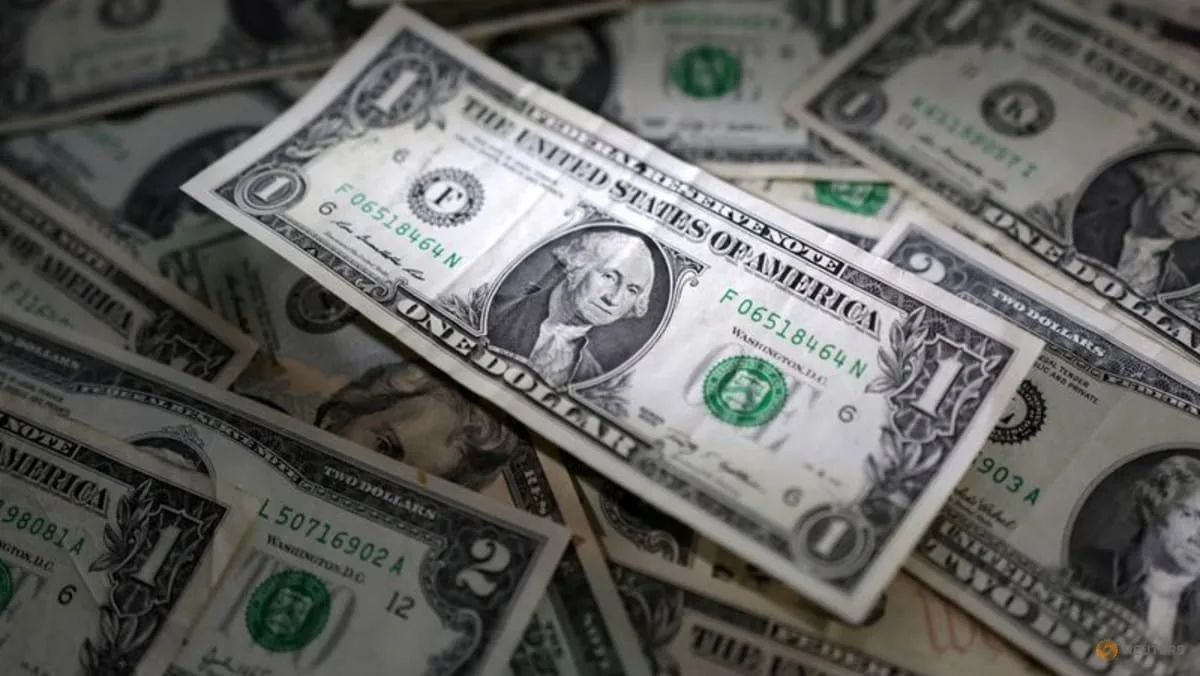
- The US dollar fell from multimonth highs due to optimism about de-escalation in the Middle East conflict
- Market sentiment improved on hopes for reduced tensions in the Middle East
- Despite ongoing war in the Middle East, holiday celebrations are continuing in other regions
- The US dollar nudged lower as investors reacted to potential easing of Middle East hostilities
- Holiday observances are ongoing amid the conflict, reflecting a continuation of daily life outside the war zone
What Happened
The US dollar declined from recent multimonth highs as optimism grew about a possible de-escalation of conflict in the Middle East. Investors responded to hopeful signs that tensions might ease, leading to a slight dip in the currency's value. Meanwhile, despite the ongoing war in the Middle East, holiday celebrations have continued in other parts of the world.
Why It Matters
The movement of the US dollar reflects global market sensitivity to geopolitical events, particularly conflicts in the Middle East that can impact economic stability. Continued holiday observances amid conflict highlight the contrast between regions affected by war and those maintaining normalcy. These dynamics influence investor behavior and broader economic conditions worldwide.
Sources
Confirmed by 2 independent sources
- CNAUnknown9h agoUS dollar dips from multimonth highs on Middle East optimism
- CNAUnknown9h agoUS dollar nudges lower on hopes of Middle East de-escalation
- CBS NewsLeftjust nowCelebrating holidays amid war across the Middle East