US Announces Naval Blockade on Iran as Peace Talks Collapse
1-Minute Brief
The US decision to impose a naval blockade on Iran escalates tensions and impacts global energy markets amid failed diplomatic efforts.
Key Facts
- Congress is returning from recess with Iran war developments and expulsion votes on the agenda.
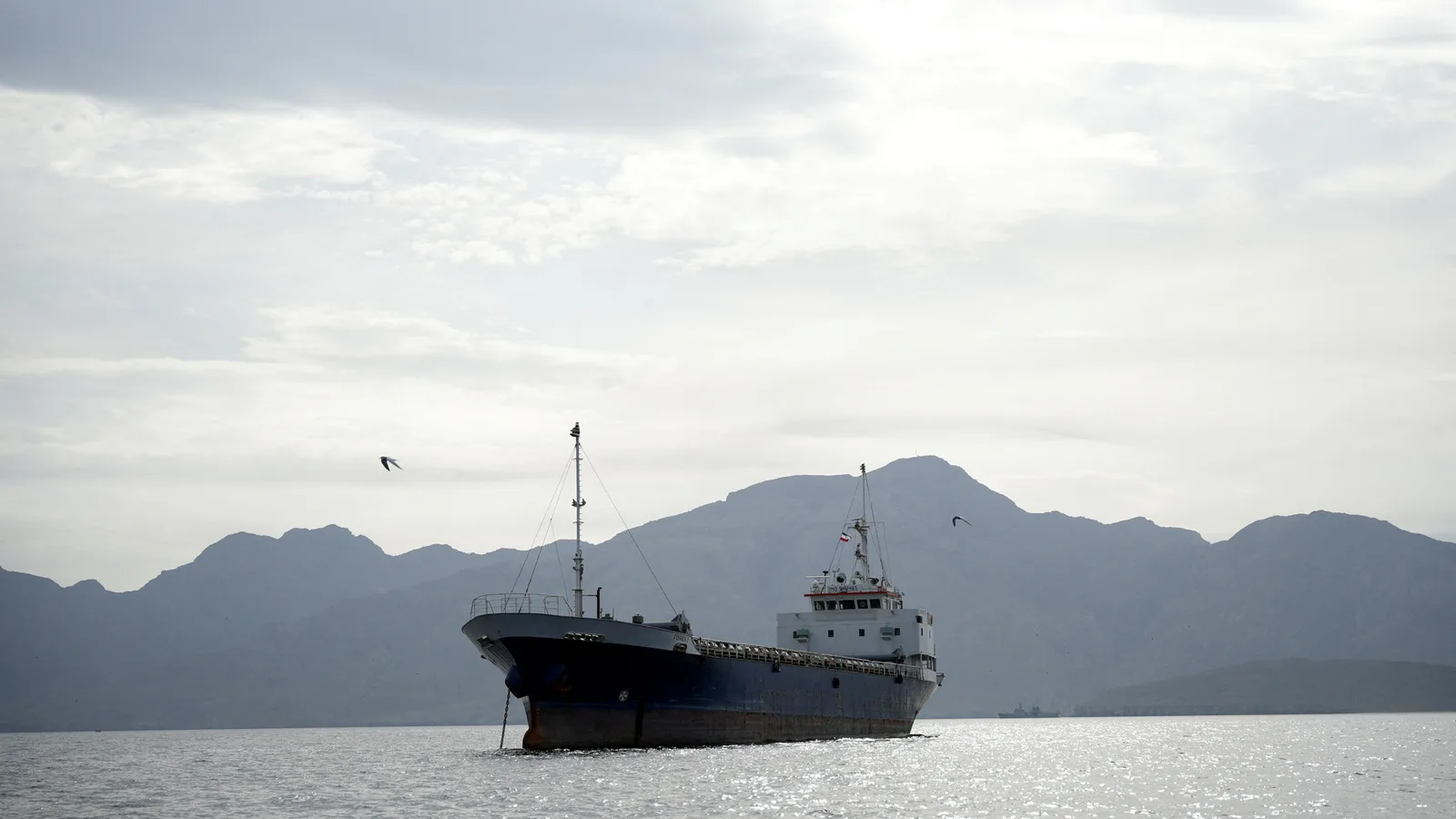
- The US is set to impose a naval blockade on Iran after peace talks broke down over its nuclear program.
- Iran has warned it will strike back if the US proceeds with the blockade and called the move illegal.
- Multiple members of Congress face potential expulsion votes this week due to allegations of misconduct.
- Oil prices surged above $100 a barrel following the announcement of the blockade.
What Happened
Following a breakdown in US-Iran peace talks, the US announced plans for a naval blockade of Iran, prompting threats of retaliation from Tehran. The move has caused volatility in global energy markets and coincides with a busy legislative week in Congress.
Why It Matters
The blockade raises the risk of further military escalation in the Gulf and could disrupt global oil supplies, affecting economies worldwide. Congressional debates on war powers and internal ethics issues add to the political stakes.
What's Next
Diplomatic mediators are attempting to revive talks, while Congress considers war powers resolutions and expulsion votes. The situation in the Strait of Hormuz and energy markets will remain closely watched.
Sources
Confirmed by 7 independent sources
- CBS NewsLeft46m agoCongress returns with Iran war, DHS shutdown, expulsion votes on agenda
- Fox NewsRight41m agoLawmakers put expulsion threats atop House agenda as return sets up high-stakes week
- Washington PostLeft3h agoWith U.S set to impose naval blockade, Iran warns it will strike back