US and Japan Coordinate Market Intervention to Support Japanese Yen
1-Minute Brief
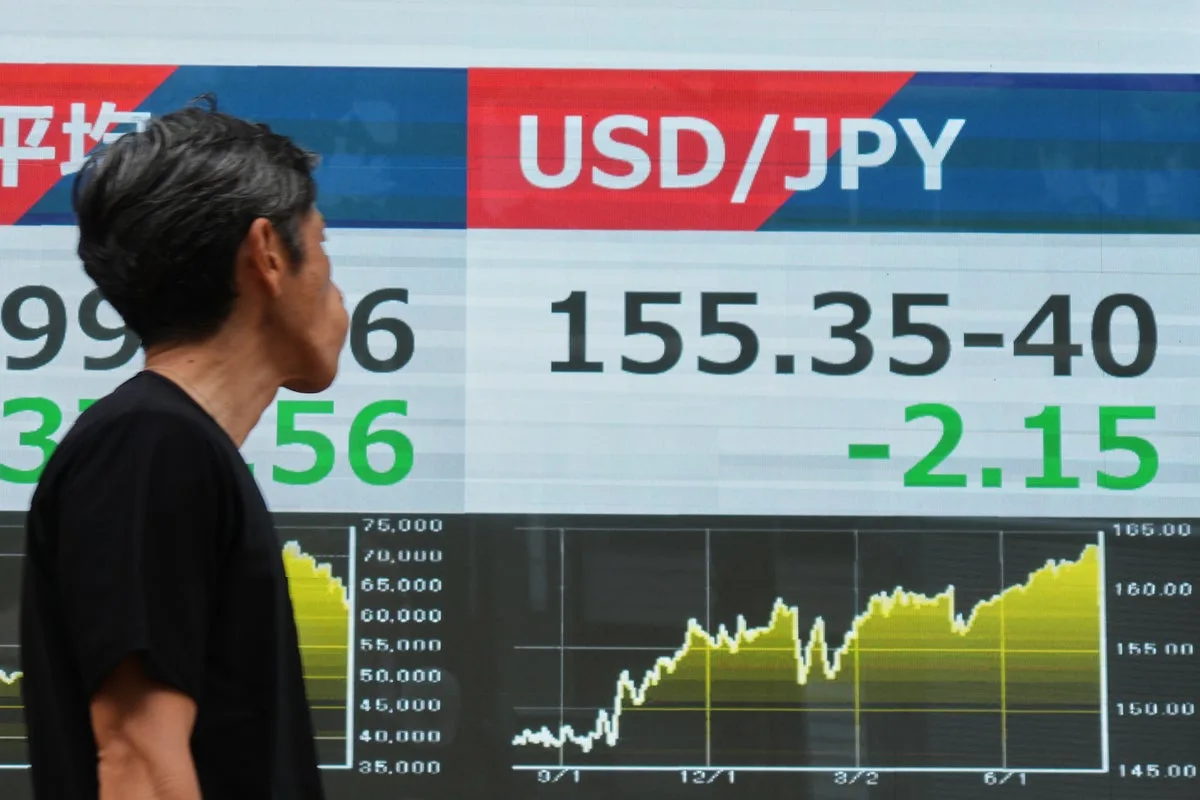
The coordinated currency intervention by the US and Japan marks a rare move aimed at stabilizing the yen and global markets.
Key Facts
- Speculative bearish bets against the yen had built up prior to the intervention, raising the risk of a sharp rebound if positions are unwound.
- Washington's participation in yen support is unusual and has led to questions about the motivations behind this rare joint action.
- Analysts say the US Treasury may be using euros instead of dollars to purchase yen, aiming to avoid weakening the US dollar.
- Japanese stock futures pointed to a lower open as traders remained alert for further yen intervention.
- Analysts note that the unwinding of speculative positions could amplify the yen's rebound following the intervention.
What Happened
The US and Japan confirmed they jointly intervened in currency markets to support the Japanese yen, resulting in a sharp weakening of the US dollar against the yen and mixed reactions in Asian stock markets.
Why It Matters
This intervention is significant due to its rarity and potential impact on global currency stability, investor sentiment, and the broader financial markets. It also raises questions about future policy coordination between major economies.
What's Next
Market participants are watching for further interventions and assessing the potential for continued volatility in currency and equity markets. Analysts are also monitoring how the US and Japan may adjust their strategies if pressures on the yen persist.
Sources
Confirmed by 3 independent sources
- Bloomberg MarketsCenter3h agoYen Bearish Bets Face Unwind Risk After US-Japan Intervention
- Bloomberg MarketsCenter6h agoJapanese Stocks Set to Fall on Yen Worries, Kioxia Guidance Miss
- CNBCCenter1h agoWhy the U.S. stepped in after decades to prop up Japan's yen — and what's at stake