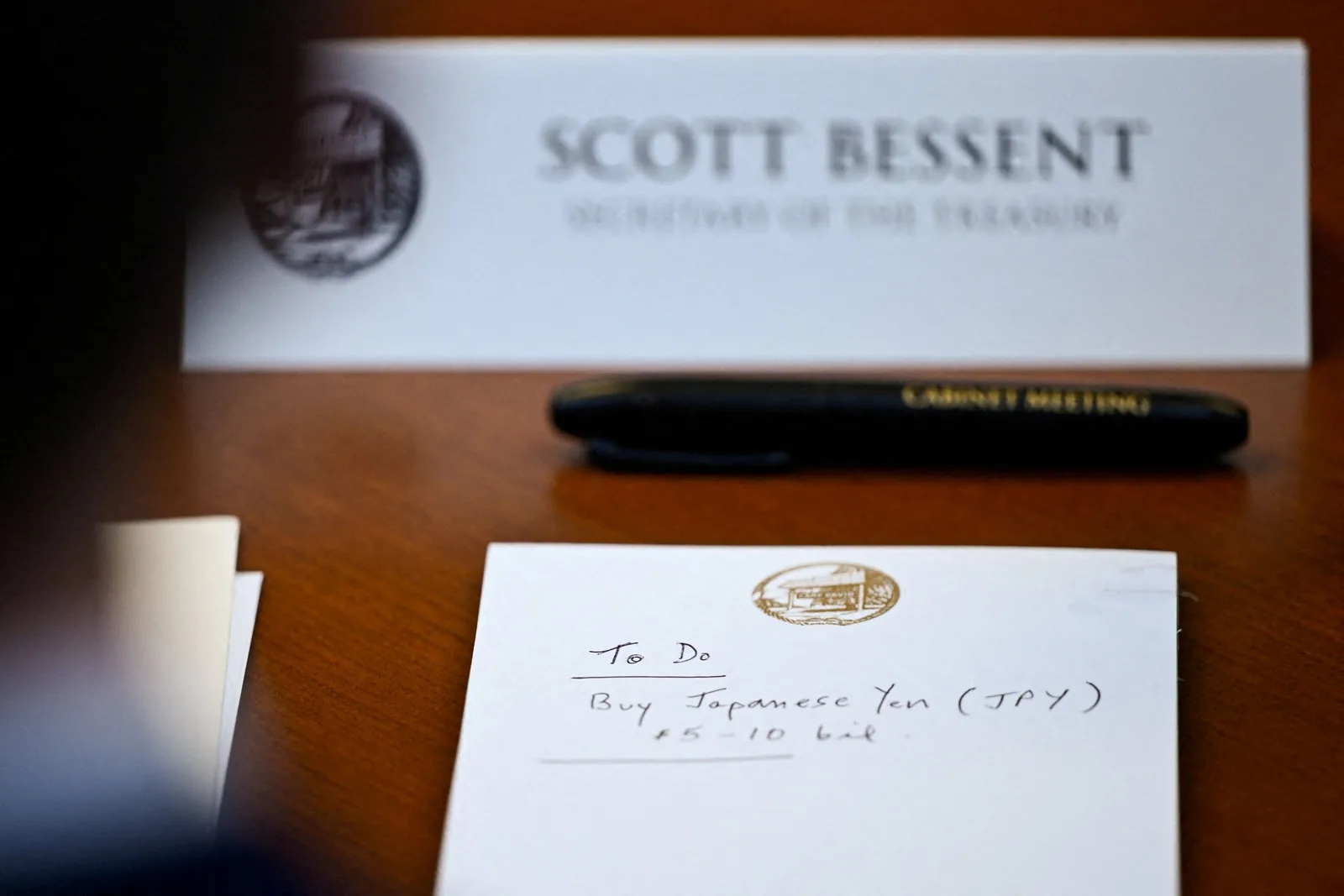
US and Japan Conduct Joint Intervention to Support Yen Amid Currency Volatility
1-Minute Brief
The coordinated intervention aims to stabilize the yen and reduce risks to Asian financial markets, reflecting broader economic concerns.
Key Facts
- Joint US-Japan intervention has supported the yen for now, but is not viewed as transformative for the currency or economy, according to former Japanese Prime Minister Fumio Kishida.
- Citigroup Inc. stated that Japan has tools to defend the yen beyond selling its $1.1 trillion US Treasury holdings.
- A Federal Reserve liquidity facility may help Japan avoid selling Treasuries, but prolonged use could test market confidence, according to Evercore ISI and Citigroup.
- Kishida emphasized the importance of effective communication between the prime minister, markets, and the Bank of Japan governor.
- Evercore ISI noted that extended use of the Fed liquidity tool could prompt markets to test the resolve of both the US and Japan.
What Happened
The US and Japan jointly intervened in currency markets to support the yen, using various financial tools and emphasizing coordination between policymakers.
Why It Matters
The intervention reflects concerns about currency volatility and its potential impact on Asian markets, highlighting the importance of international cooperation and available policy tools.
What's Next
Analysts and officials will monitor the yen's performance and the effectiveness of the intervention, while considering the long-term implications of sustained policy measures.
Sources
Confirmed by 3 independent sources
- Bloomberg MarketsCenter2d agoJapan’s Use of Fed Tool Could Test Yen Resolve, Evercore Says
- Bloomberg MarketsCenter1h agoFormer Japan PM on Yen, Communication with BOJ and Markets
- Bloomberg MarketsCenter2d agoCiti Says Japan Has Yen Defense Tools Beyond Treasury Sales