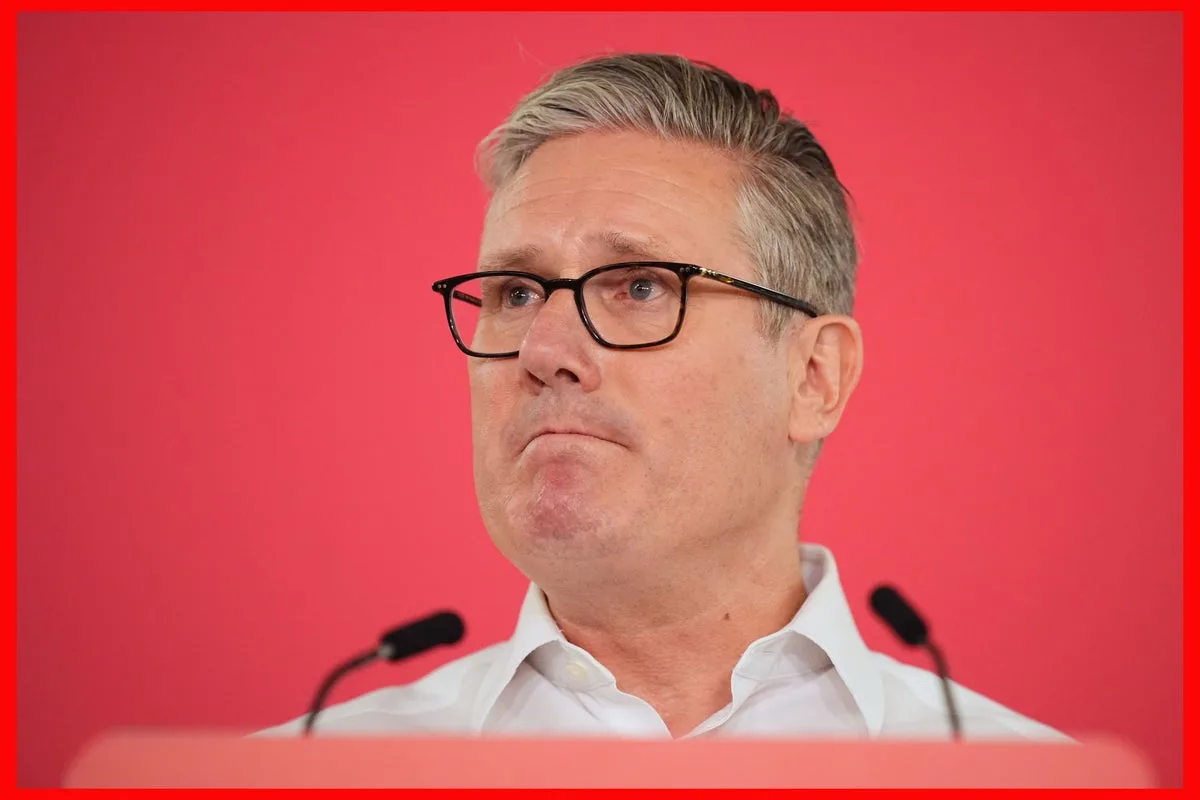
Keir Starmer Faces Calls to Resign Amid Ministerial Departures and Market Reaction
1-Minute Brief
Political uncertainty over Keir Starmer's leadership has led to market volatility and rising government borrowing costs.
Key Facts
- Prime Minister Keir Starmer has publicly stated he will not resign despite growing calls for his departure.
- UK government borrowing costs have reached their highest level since 1998 amid uncertainty over Starmer's future.
- Several cabinet ministers have resigned while others have urged Starmer to step down.
- Starmer told the Cabinet that a leadership contest had not been triggered.
- If Starmer were to leave office, procedures for a Labour leadership contest and potential general election have been outlined.
What Happened
Prime Minister Keir Starmer is facing increasing pressure to resign, with some cabinet ministers quitting and others urging him to step down. Starmer has said he will remain in office and no leadership contest has been triggered.
Why It Matters
The uncertainty surrounding the prime minister's position has unsettled financial markets, causing a spike in UK borrowing costs and impacting the pound and stocks. The situation has raised questions about the stability of the government and the potential for a leadership contest or general election.
What's Next
Starmer is consulting with colleagues ahead of a cabinet meeting. Observers are watching for further resignations, any formal leadership challenge, and ongoing market responses.
Sources
Confirmed by 5 independent sources
- The IndependentLeft9h agoWill there be a general election? Here’s how – and what could happen next if Starmer leaves office
- The IndependentLeft10h agoStarmer resignation odds: What the bookmakers say on when the PM could quit and who might replace him
- The GuardianLeft11h agoUK borrowing costs hit highest since 1998 amid Starmer uncertainty