UAE Exits OPEC Amid Oil Market Shifts and Regional Supply Disruptions
1-Minute Brief
The UAE's departure from OPEC and ongoing Gulf tensions are reshaping global oil markets and prompting shifts in energy strategies.
Key Facts
- The United Arab Emirates has exited OPEC, according to the head of its state-run oil company.
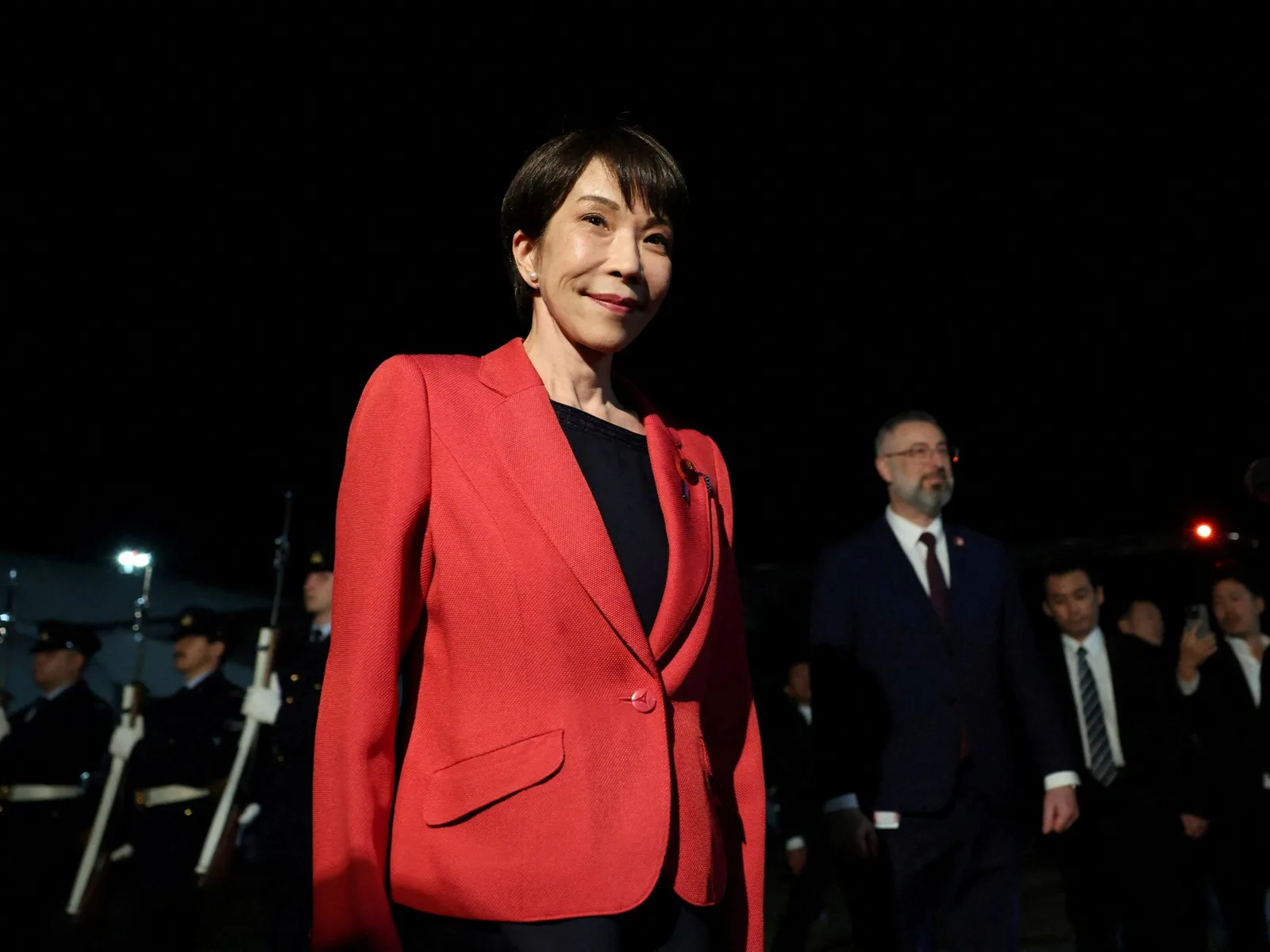
- Japanese Prime Minister Sanae Takaichi stated that the Iran war oil crisis is having an 'enormous impact' in the Asia Pacific.
- Consumers in Costa Rica and other countries are increasingly purchasing electric vehicles to avoid high fuel prices.
- The UAE's OPEC exit is expected to give it greater flexibility to accelerate investment and expansion in the oil sector.
- Some Asian refiners have offered to buy UAE Upper Zakum crude at around $20 a barrel above official prices.
What Happened
The United Arab Emirates announced its exit from OPEC, while regional conflicts have disrupted oil supplies, affecting prices and prompting shifts in energy purchasing and investment.
Why It Matters
These developments are influencing global oil prices, impacting economies reliant on energy imports, and accelerating adoption of alternative energy sources in some regions.
What's Next
Observers are watching for further investment moves by the UAE, potential changes in OPEC dynamics, and continued shifts in energy strategies by affected countries.
Sources
Confirmed by 4 independent sources
- NYTLeft23h agoThese Countries Embrace E.V.s to Avoid Oil Price Shocks
- Bloomberg MarketsCenter1h agoUAE Oil Head Says OPEC Exit Gives Ability to Speed Up Investment
- Al JazeeraLeft1h agoJapan PM says Iran war oil crisis having ‘enormous impact’ in Asia Pacific