Oil Prices Surge Amid Middle East Conflict and Global Supply Disruptions
1-Minute Brief
Oil prices have surged globally as conflict in the Middle East disrupts supply chains and impacts economies.
Key Facts
- A buildup of oil supertankers is occurring off Saudi Arabia’s Red Sea coast as the kingdom seeks to bypass the Strait of Hormuz.
- The surge in oil prices is benefiting some economies while increasing costs for others.
- The current oil supply shock is global, with governments responding and no clear end in sight.
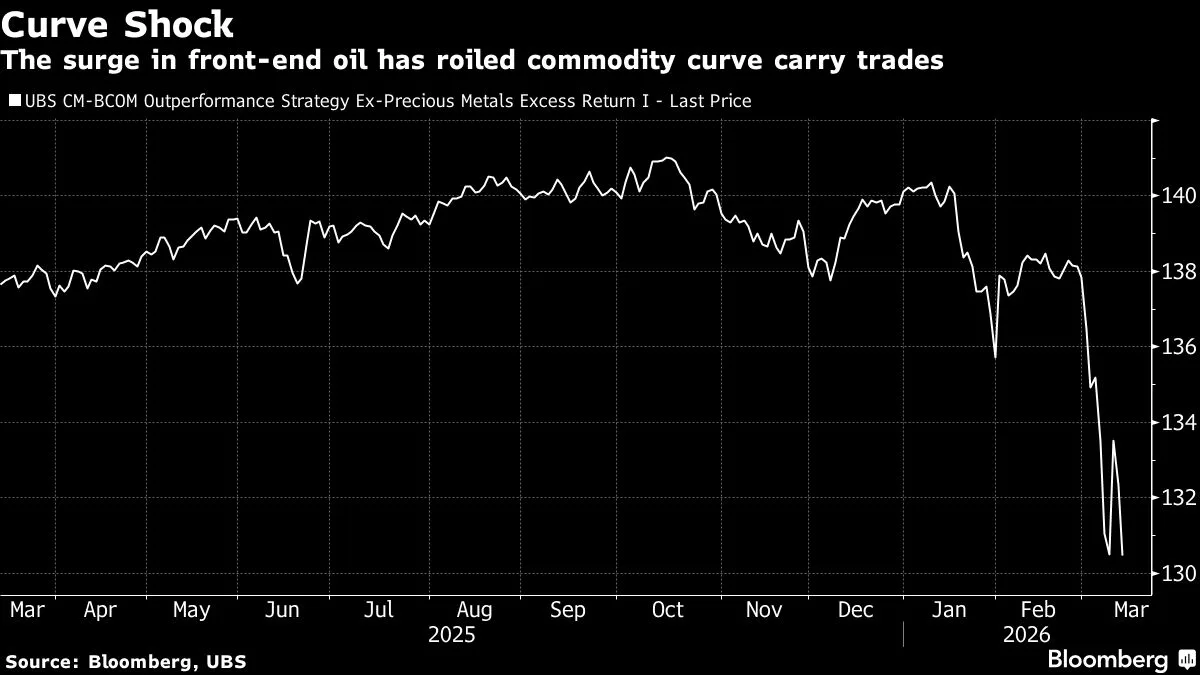
- The rapid increase in oil prices is affecting financial markets and systematic trading strategies.
- South Korea plans to use excess tax revenue for a supplementary budget to address rising oil prices.
What Happened
Conflict in the Middle East, particularly involving Iran, has led to significant disruptions in global oil supply, causing oil prices to surge and prompting responses from governments and markets worldwide.
Why It Matters
The disruption is impacting economies unevenly, with some benefiting from higher prices and others facing increased costs. Financial markets and trading strategies are also being affected, and governments are taking measures to mitigate the impact.
What's Next
Observers are monitoring how long the supply shock will persist and what further actions governments and markets may take. Efforts to bypass chokepoints and reduce oil dependence are ongoing.
Sources
Confirmed by 4 independent sources
- Bloomberg MarketsCenter2h agoSupertankers Build Up in Red Sea as Saudi Races to Bypass Hormuz
- NYTLeft1h agoHow This Oil Supply Shock Compares to the Embargo of 1973
- Al JazeeraLeft1h agoWho wins and loses in the global energy crisis?