Supreme Court Upholds Birthright Citizenship, Rejects Trump Administration Restrictions
1-Minute Brief
The Supreme Court's decision maintains birthright citizenship, impacting ongoing debates over U.S. immigration policy and executive authority.
Key Facts
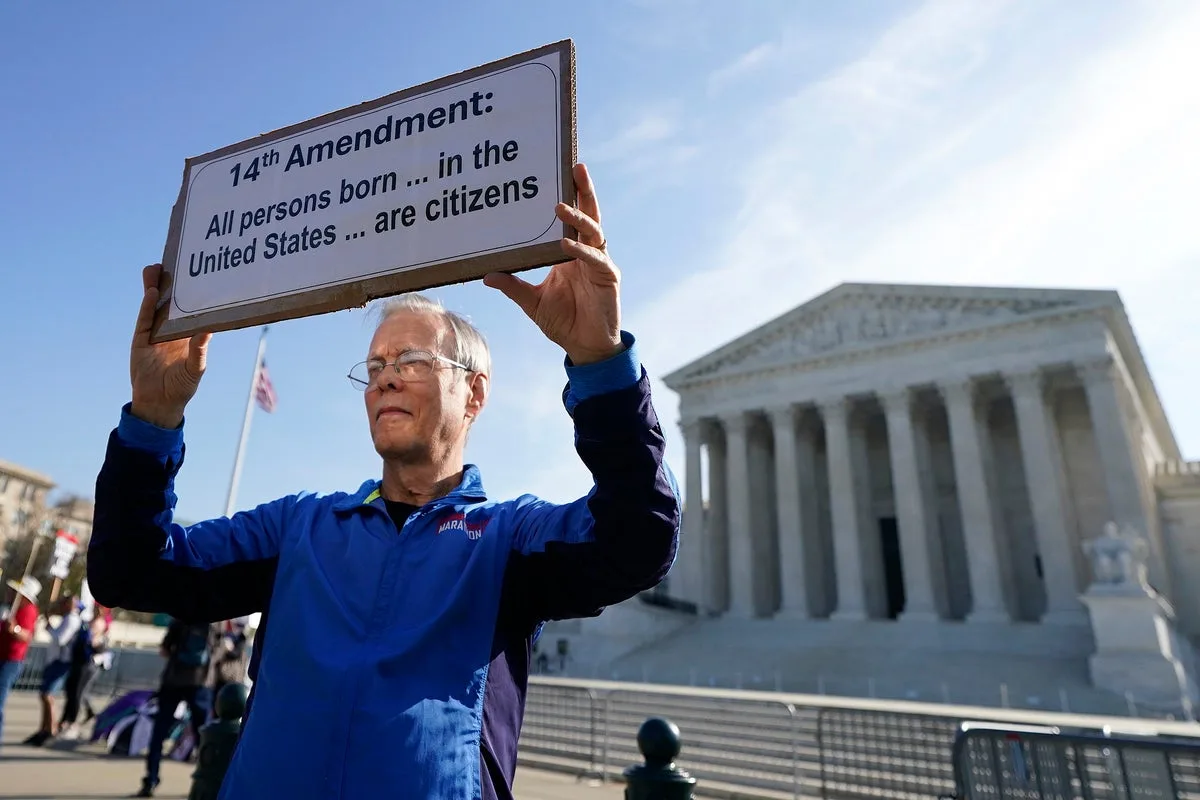
- A divided U.S. Supreme Court upheld the constitutional right to birthright citizenship, rejecting President Donald Trump's planned restrictions.
- President Trump responded to the ruling by stating he can pursue changes through Congressional legislation.
- Trump called on Congress to enact legislation to end birthright citizenship ahead of July 4 celebrations.
- Justices Clarence Thomas, Samuel Alito, and Neil Gorsuch dissented from the majority decision.
- Chief Justice stated that Trump's birthright citizenship order did not align with the 14th Amendment.
What Happened
The U.S. Supreme Court ruled against President Trump's attempt to restrict birthright citizenship, affirming its constitutional protection. Trump has since urged Congress to pass legislation addressing the issue.
Why It Matters
This decision preserves current citizenship laws and limits executive authority to alter constitutional rights without legislative action. The outcome shapes future immigration policy debates.
What's Next
President Trump is expected to push for Congressional legislation to change birthright citizenship. Further legislative proposals and political debate are anticipated.
Sources
Confirmed by 3 independent sources
- The IndependentLeft6h agoTrump’s birthright citizenship order did not align with 14th Amendment, Chief Justice says
- Bloomberg MarketsCenter2h agoDomicile Isn't a Real Argument For Citizenship Says Wydra
- ABC NewsLeft1h agoTrump pushes legislation to end birthright citizenship after SCOTUS decision