US Supreme Court Hears Arguments on Birthright Citizenship Restrictions
1-Minute Brief
The Supreme Court's decision on birthright citizenship could affect millions and has sparked nationwide protests and legal debate.
Key Facts
- Justices discussed legal questions regarding domiciles and foundlings during oral arguments.
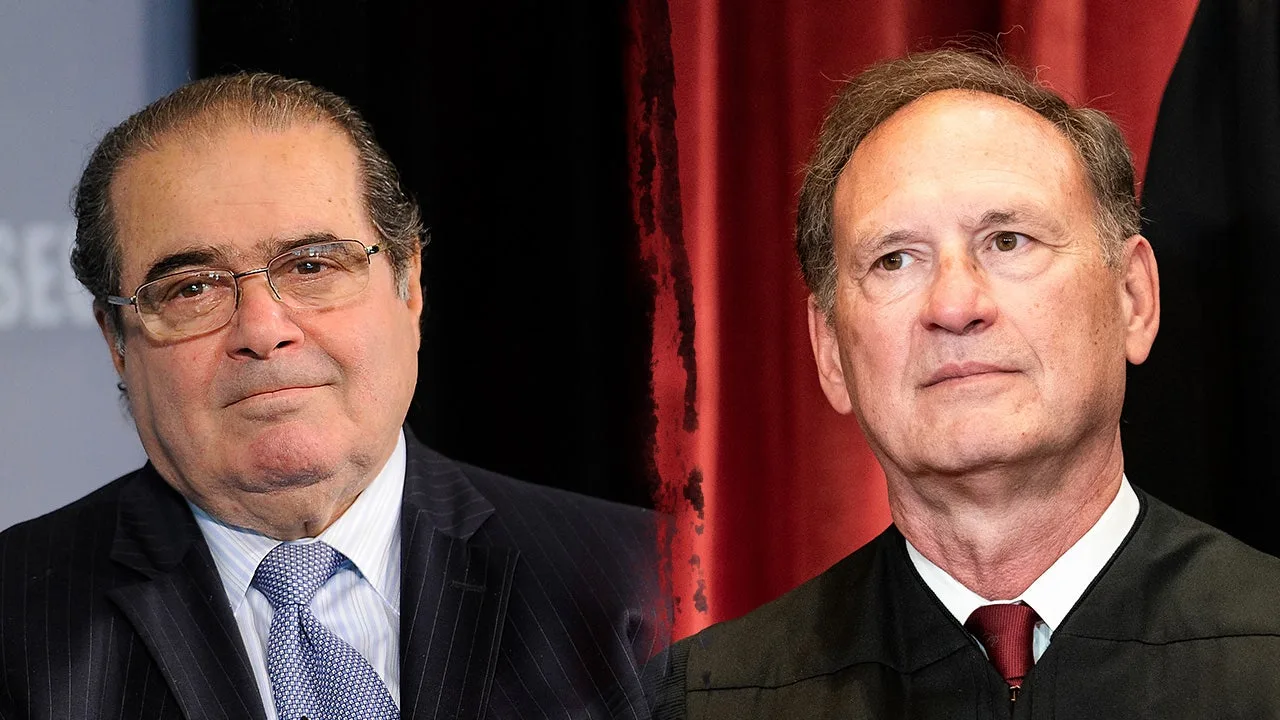
- Justice Samuel Alito referenced Justice Scalia's approach to textualism in the debate.
- The Court avoided engaging in policy debates, focusing on the scope of possible rulings.
- Protesters gathered outside the Supreme Court as arguments were heard on proposed changes to birthright citizenship.
- A study cited in the proceedings found that ending universal birthright citizenship would disproportionately affect babies born to Asian parents.
What Happened
The US Supreme Court heard arguments regarding efforts to restrict birthright citizenship, with justices examining legal interpretations and President Trump attending the session.
Why It Matters
The outcome could redefine who is granted citizenship at birth in the US, impacting immigrant communities and legal precedent, and has prompted public demonstrations.
What's Next
A Supreme Court ruling is expected following deliberations, which will determine the future of birthright citizenship. Public and legal responses are anticipated as the decision approaches.
Sources
Confirmed by 3 independent sources
- NYTLeft3h agoFive Takeaways From the Birthright Citizenship Argument
- Al JazeeraLeft53m agoProtesters gather to oppose changes to US birthright citizenship law
- Fox NewsRight2h agoAlito invokes Scalia analogy in birthright citizenship fight over illegal immigration