Study Finds Sharks in Bahamas Have Ingested Cocaine, Caffeine, and Painkillers
1-Minute Brief
The discovery raises concerns about the impact of human pharmaceutical pollution on marine life near popular tourist destinations.
Key Facts
- Marine biologists detected caffeine, cocaine, and over-the-counter painkillers in the blood of 28 sharks in the Bahamas.
- Researchers observed changes in metabolic markers in some sharks, indicating contaminated blood.
- The study took place near a well-known tourist hotspot in the Bahamas.
- Sharks were found to have ingested multiple types of drugs, including cocaine and painkillers.
- Scientists attribute the contamination to pharmaceutical and recreational drug pollution in the region.
What Happened
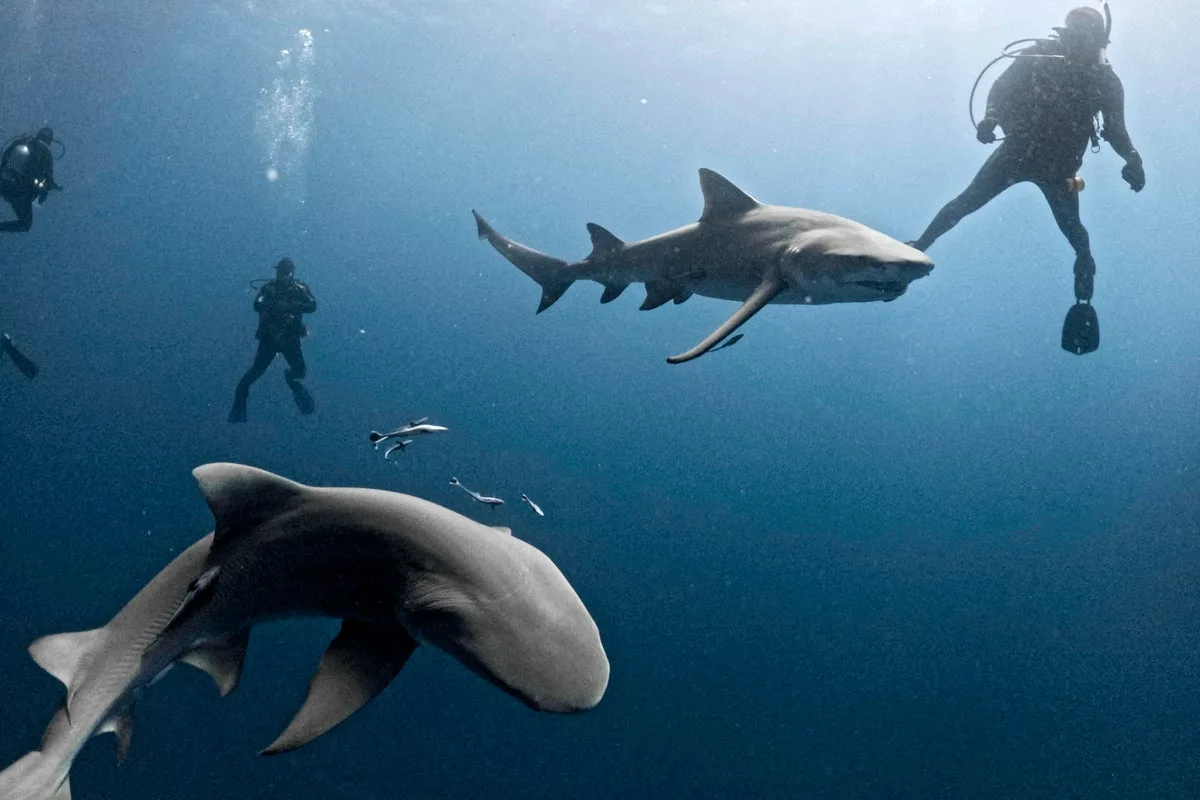
A study by marine biologists found that sharks near a tourist hotspot in the Bahamas had detectable levels of cocaine, caffeine, and painkillers in their blood, with some showing signs of contamination.
Why It Matters
The findings highlight potential risks to marine ecosystems from human drug pollution, raising questions about the broader effects on wildlife and food chains in areas frequented by tourists.
What's Next
Further research is expected to assess the long-term health impacts on sharks and to evaluate the extent of pharmaceutical contamination in other marine species and regions.
Sources
Confirmed by 3 independent sources
- Google NewsUnknown3h ago‘Cocaine Sharks’ Found Near Tourist Hot Spot in the Bahamas
- The IndependentLeft3h agoSharks testing positive for cocaine and painkillers are prowling in the Caribbean
- The IndependentLeft2h agoSharks ingesting cocaine and painkillers in popular tourist hotspot