Study Finds Many AI Chatbot Medical Responses Are Inaccurate or Incomplete
1-Minute Brief
Concerns are rising about the reliability of AI chatbots for health advice, as experts warn of misinformation risks.
Key Facts
- A study found that about half of medical information from five popular AI chatbots was problematic.
- Nick Tiller, one of the study's authors, discussed the findings publicly.
- Researchers noted that chatbots can generate incorrect or misleading responses due to biased or incomplete training data.
- The phenomenon where chatbots provide inaccurate information is referred to as 'hallucination' by researchers.
- The study highlighted the potential dangers of relying on AI chatbots for health and medical information.
What Happened
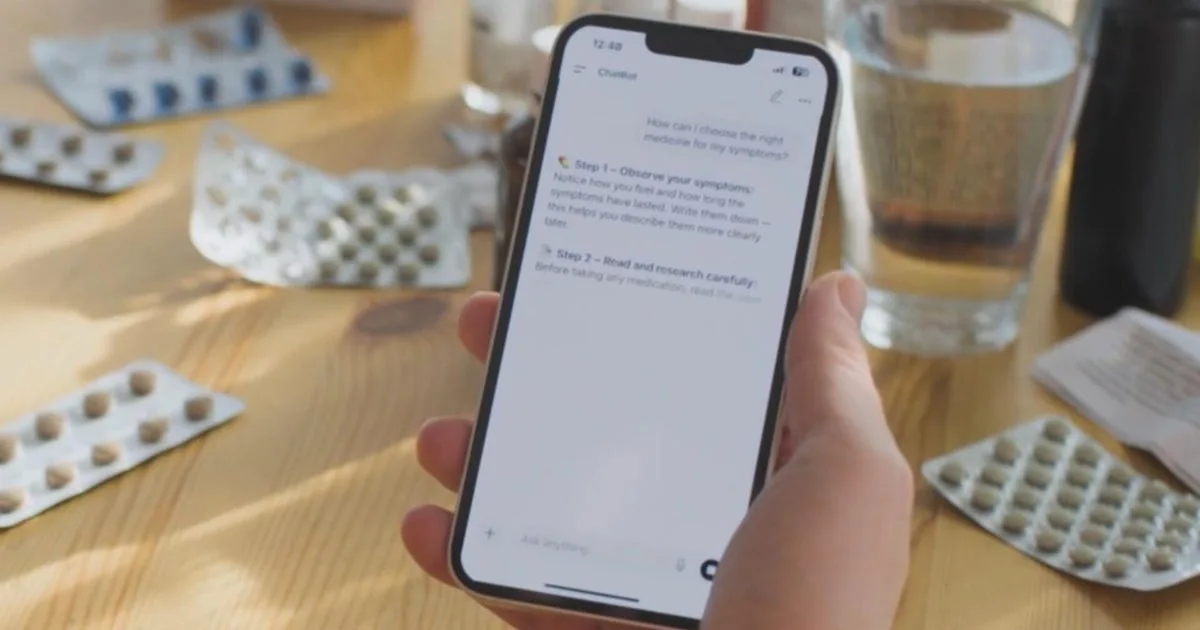
A new study evaluated five widely used AI chatbots and found that a significant portion of their medical advice was inaccurate or incomplete, raising concerns among researchers.
Why It Matters
As AI chatbots become more common sources of health information, the risk of users receiving incorrect or misleading advice could impact public health and patient safety.
What's Next
Further research and improved oversight may be needed to address the accuracy of AI-generated medical information. Experts suggest caution when using chatbots for health advice.
Sources
Confirmed by 2 independent sources
- CBS NewsLeft2h agoApproximately half of AI's medical responses are "problematic," study finds
- The IndependentLeft3h agoWe are AI experts. Here are the dangers of using chatbots for health and medical information