Strait of Hormuz Tensions Affect Global Markets and Supply Chains Amid Iran Conflict
1-Minute Brief
Tensions in the Strait of Hormuz during the Iran conflict are impacting global energy flows and raising market uncertainty.
Key Facts
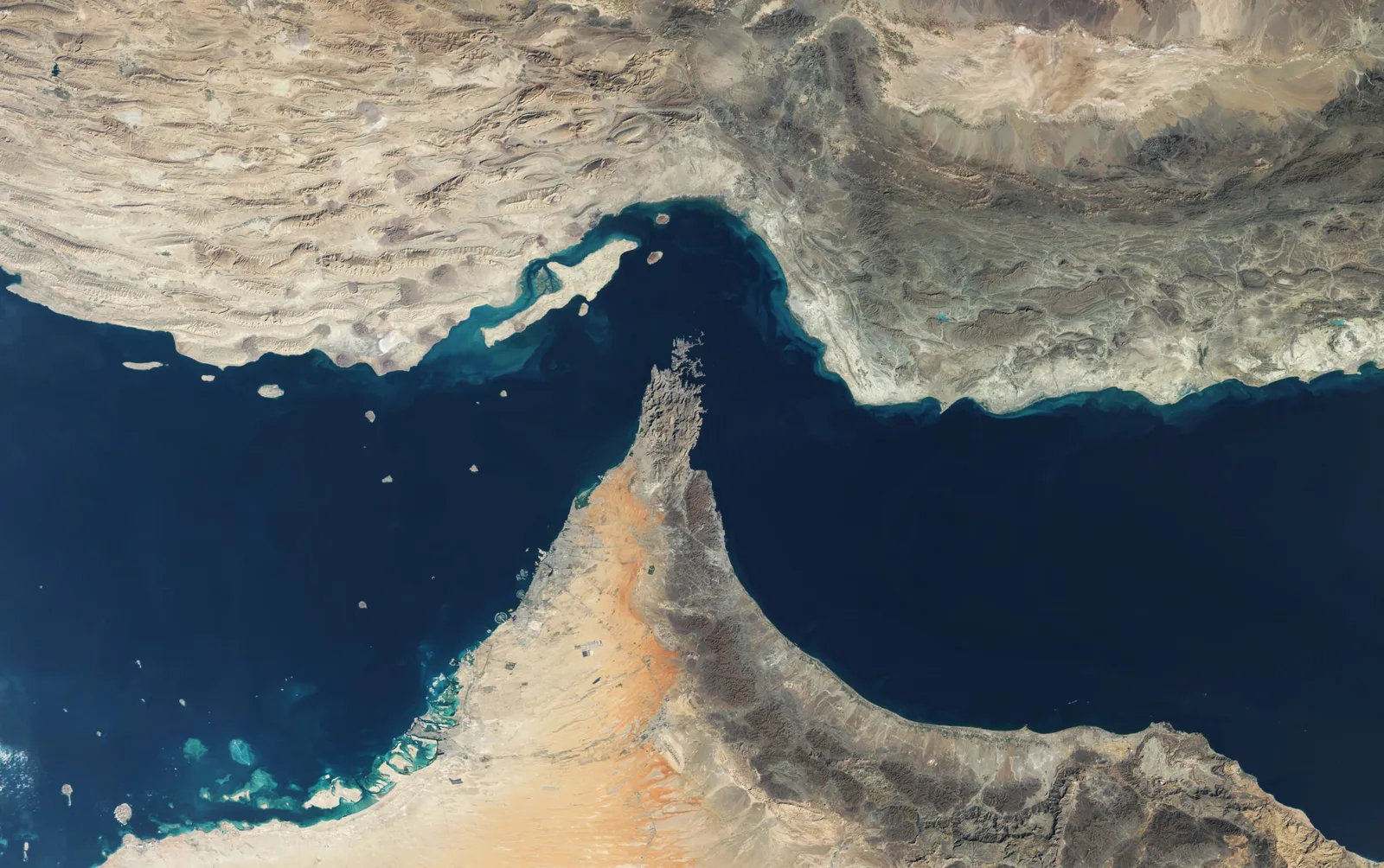
- Citrini Research sent an analyst to Oman's Musandam Peninsula to observe shipping activity in the Strait of Hormuz.
- Citi Wealth is adopting a barbell investment strategy to address market uncertainty related to the Iran war.
- China’s yuan is reported to be resilient to seasonal pressures due to the Iran conflict and economic recovery.
- Flexport’s CEO highlighted fertilizer as a top supply chain risk linked to the Hormuz situation.
- Lombard Odier’s Homin Lee outlined potential investment outcomes as economies remain exposed to higher oil prices due to Hormuz tensions.
What Happened
Tensions and disruptions in the Strait of Hormuz related to the Iran conflict have drawn responses from financial institutions and analysts, with observers monitoring shipping activity and supply chain risks.
Why It Matters
The Strait of Hormuz is a critical chokepoint for global energy shipments, and ongoing tensions have significant implications for oil prices, supply chain stability, and investment strategies worldwide.
What's Next
Market participants and analysts are closely monitoring developments in the region, with attention on how continued tensions may affect energy supplies, currency stability, and global economic recovery.
Sources
Confirmed by 3 independent sources
- Bloomberg MarketsCenter13h agoYuan to Dodge Seasonal Slump on Iran War Resilience, Economy
- CNBCCenter17h agoUpstart Wall Street research firm says it sent an analyst to Strait of Hormuz. Here’s what they learned
- Bloomberg MarketsCenter36m agoCiti’s Moore Building for Resilience Amid Iran War Risks