Middle East Conflict Disrupts Global Markets and Supply Chains
1-Minute Brief
The ongoing conflict involving Iran is causing widespread economic disruptions, affecting energy supplies, consumer goods, and financial markets wo...
Key Facts
- Shell reduced its gas production outlook and reported higher oil trading profits due to price spikes after the US-Israel conflict with Iran escalated.
- Malaysian glove maker WRP Asia Pacific Sdn. announced it will wind down operations this month, citing severe disruptions in global energy and petrochemical supply chains.
- UK services sector growth has slowed, with increased recession fears attributed to the Middle East conflict and its economic impact.
- Shortages and price increases have been reported in everyday goods, including beer cans and helium balloons, as a result of the Iran war.
- OPEC+ agreed to raise oil output, but some members are unable to increase production amid the ongoing US-Israel war on Iran.
What Happened
The conflict involving Iran and US-Israeli forces has led to disruptions in energy and supply chains, impacting industries, consumer goods, and financial markets globally.
Why It Matters
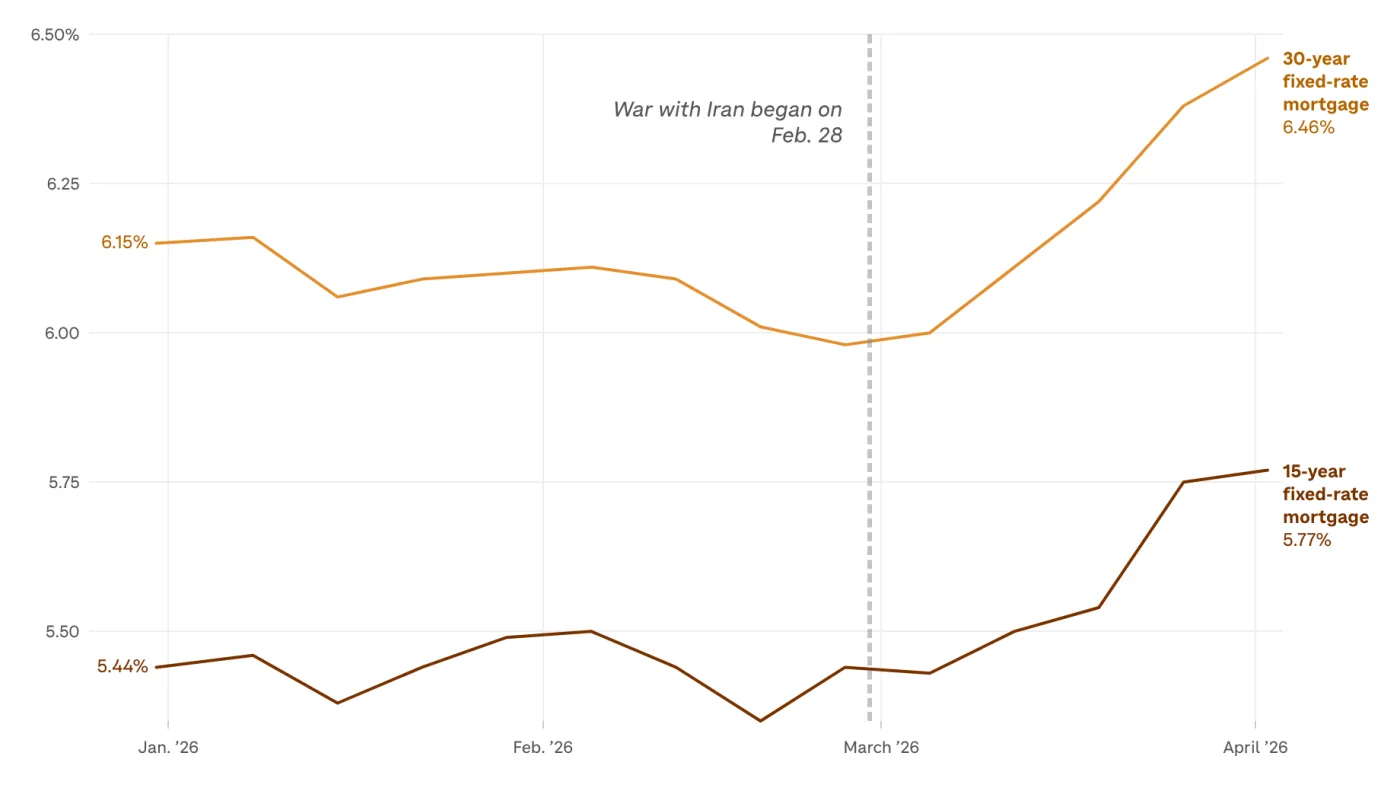
These disruptions are affecting businesses, consumers, and economies worldwide, leading to higher prices, supply shortages, and increased uncertainty in sectors ranging from energy to housing.
What's Next
Observers are monitoring further developments in the conflict and its effects on global supply chains, energy prices, and economic stability. Companies and governments are assessing strategies to mitigate ongoing risks.
Sources
Confirmed by 5 independent sources
- The IndependentLeft1h agoMiddle East conflict fuels UK services sector slowdown and recession fears
- NPR NewsCenter21h agoBeer cans, helium balloons and mortgages: An unexpected mix of things affected by the war
- CNBCCenter21h agoIran war upends spring housing market. Here's what real estate agents are seeing