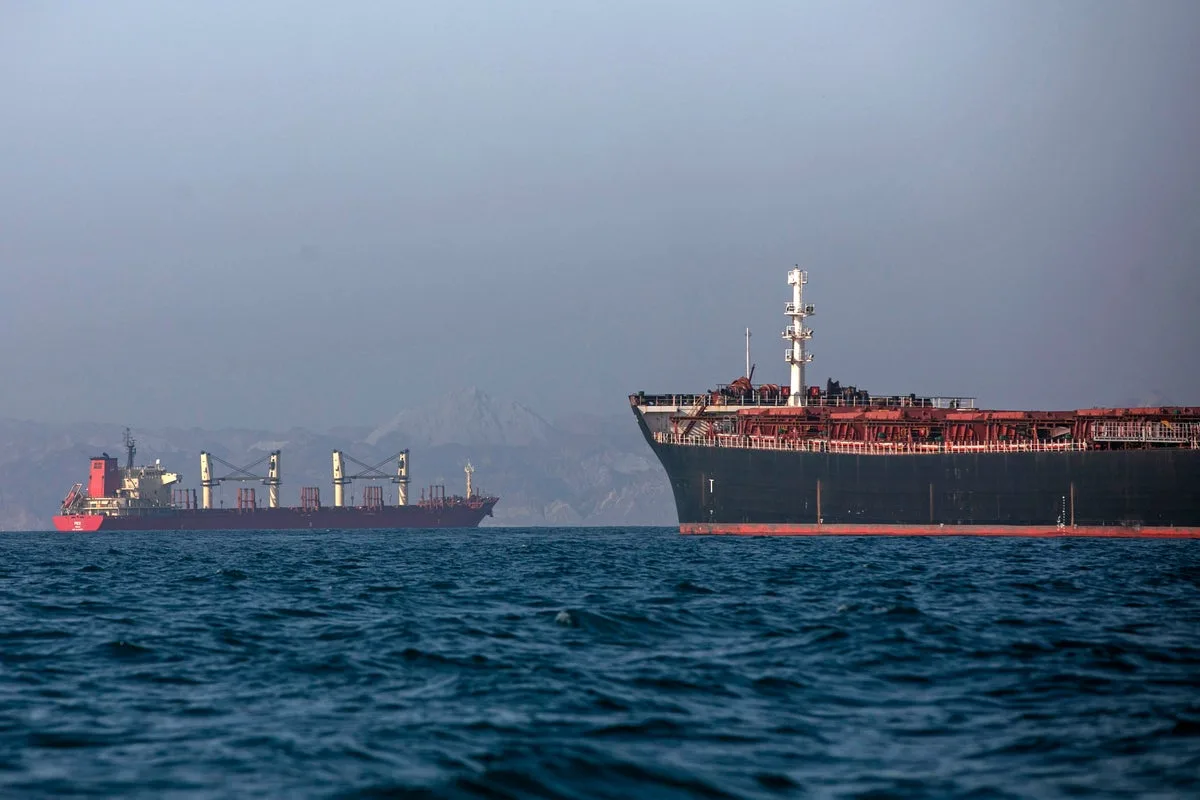
Strait of Hormuz Closure Disrupts Energy Markets Amid Regional Military Escalation
1-Minute Brief
The closure of the Strait of Hormuz is impacting global energy supplies and intensifying regional security concerns.
Key Facts
- Pakistan and Bangladesh have paid $1 billion more for LNG due to the Strait of Hormuz closure.
- Iran claims to have struck three tankers in the Strait of Hormuz and targeted US bases in Jordan.
- Scientists warn the closure could increase the spread of invasive marine species in the Gulf region.
- Oil prices have risen following a surprise Iranian strike, affecting global markets.
- Saudi Aramco is considering new oil pricing for Asia as attacks by Iran-backed Houthis threaten Red Sea flows.
What Happened
The Strait of Hormuz has been closed amid renewed military actions involving Iran, the US, and regional actors, disrupting energy shipments and raising security risks.
Why It Matters
The Strait of Hormuz is a critical chokepoint for global energy transport. Its closure is causing higher energy costs, market volatility, and environmental concerns, with broader implications for regional stability.
What's Next
Observers are watching for further military developments, potential diplomatic responses, and ongoing impacts on energy markets and marine ecosystems.
Sources
Confirmed by 3 independent sources
- The IndependentLeft6h agoHormuz Strait closure could fuel unprecedented spread of invasive species in Gulf region, scientists warn
- Bloomberg MarketsCenter4h agoSurprise Iran Strike Rattles Global Markets, Sends Oil Higher | Insight with Haslinda Amin 7/29/2026
- The IndependentLeft4h agoIran-US war latest: Saudis join US strikes on Tehran-backed militia in Iraq as conflict spreads throughout region