US-Iran Conflict Escalates Amid Divergent International Responses
1-Minute Brief
US military actions against Iran follow Israeli influence; Spain opposes war amid regional tensions.
Key Facts
- President Trump decided to pursue military action against Iran influenced by Israeli Prime Minister Benjamin Netanyahu's opposition to diplomatic negotiations
- Few of President Trump's advisers voiced opposition to the decision to engage militarily with Iran
- Iran's strategy focuses on increasing regional and global costs to deter attempts to overthrow its regime rather than battlefield victory
- US Secretary of Defense Pete Hegseth highlighted recent US military strikes against Iran and discussed tactics employed
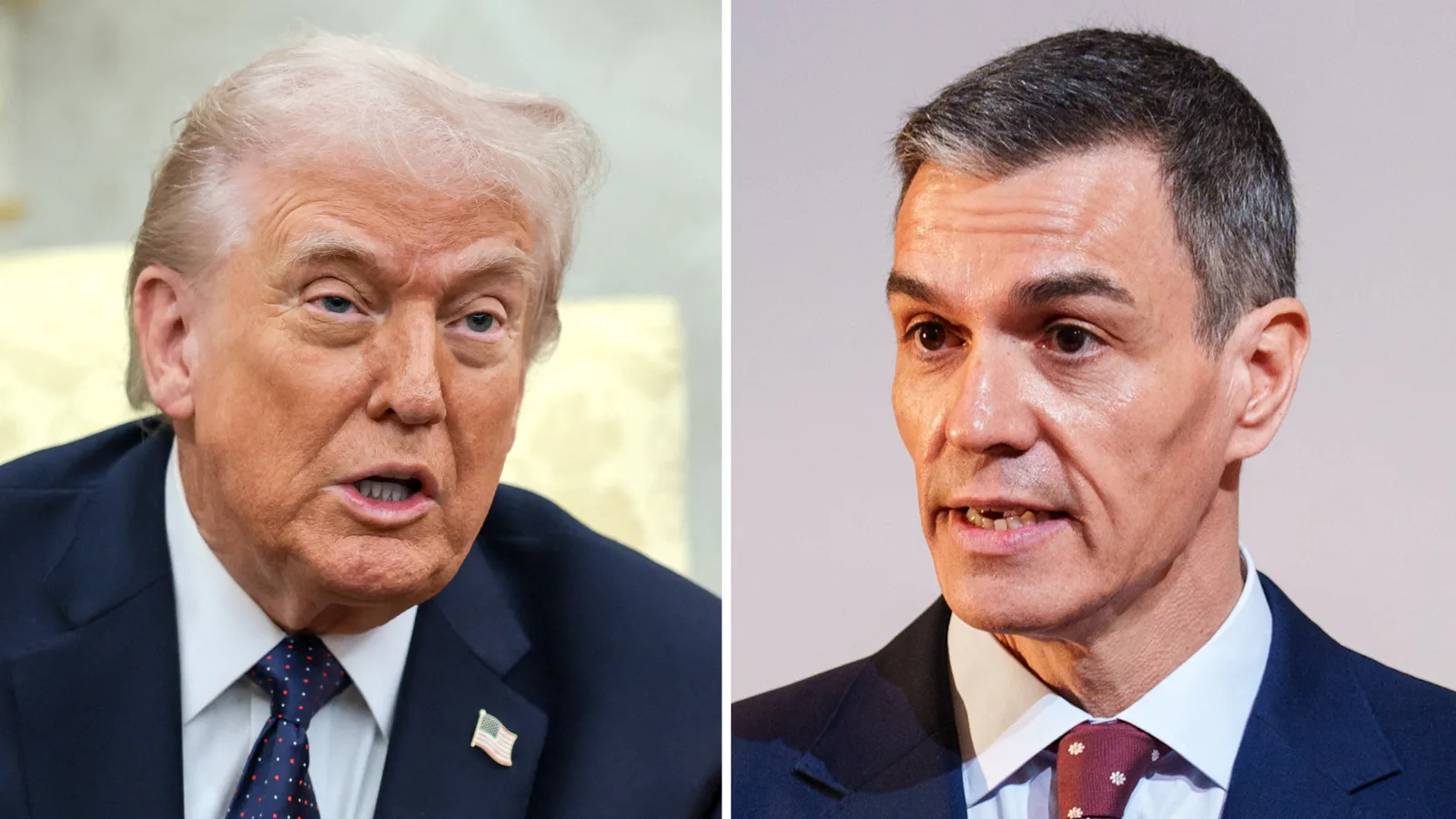
- Spain's Prime Minister publicly opposed the war, standing out among international leaders reluctant to challenge the US president
What Happened
President Trump authorized military actions against Iran following Israeli Prime Minister Netanyahu's push to end diplomacy. The US conducted recent strikes, with Secretary of Defense Pete Hegseth providing updates on tactics. Meanwhile, Iran aims to raise the costs of conflict rather than seek battlefield victory. Spain's Prime Minister has openly opposed the war, diverging from other international responses.
Why It Matters
The escalation marks a significant shift in US-Iran relations influenced by Israeli policy preferences, with limited internal US opposition. Iran's approach to conflict suggests prolonged regional instability. Spain's opposition highlights fractures in international consensus on military intervention, potentially affecting diplomatic and geopolitical dynamics.
Sources
Confirmed by 4 independent sources
- Sky NewsUnknown5h agoUnafraid of the wrath of Trump, Spain's PM has said 'no to war'
- NYTLeft1h agoHow Trump Decided to Go to War
- Al JazeeraLeft6h agoHow Iran fights an imposed war