South Korean Firms Increase Short-Term Debt as Market Volatility Rises
1-Minute Brief
Heightened volatility in Asian and global markets is prompting regulatory responses and shifts in investor behavior.
Key Facts
- South Korean financial companies and other firms increased short-term debt borrowing in the first half of the year.
- Trading in leveraged ETFs linked to South Korea’s major chipmakers has declined sharply following new regulatory curbs.
- Authorities implemented measures to slow demand for leveraged products amid recent market volatility.
- Volatility is rising in the $30 trillion Treasury market as investors anticipate higher yields.
- An unprecedented stock market rally in South Korea was followed by a recent market downturn.
What Happened
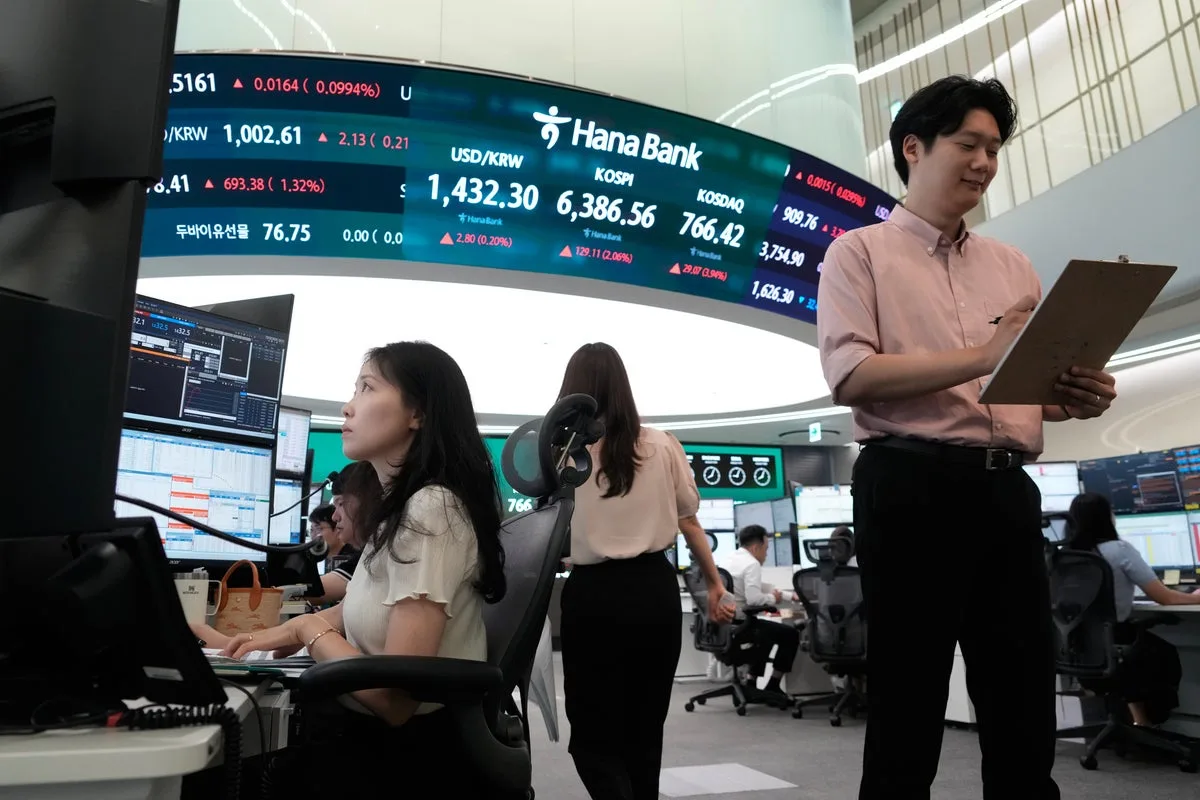
South Korean firms expanded short-term debt funding during a stock market rally, which was followed by increased volatility and a subsequent market decline. Regulatory actions have reduced trading in leveraged ETFs tied to leading chip companies.
Why It Matters
These developments highlight the sensitivity of financial markets to regulatory interventions and global volatility, affecting funding strategies and investor participation. The situation also reflects broader trends in risk management and market stability across Asia and beyond.
What's Next
Market participants are watching for further regulatory measures and shifts in investor sentiment as volatility persists. The impact on funding costs and trading activity will be closely monitored.
Sources
Confirmed by 3 independent sources
- Bloomberg MarketsCenter12h agoKorean Firms Expanded Short-Term Debt Funding Before Market Rout
- MarketWatchCenter12h agoTraders in the world’s most important financial market are bracing for a wild stretch ahead
- Bloomberg MarketsCenter6h agoSouth Korea’s Leveraged ETF Trading Plummets Under New Curbs