Middle East Conflict Drives Oil Prices Higher and Impacts Global Markets
1-Minute Brief
Rising tensions in the Middle East have disrupted commodity flows, leading to higher oil prices and volatility in global stock markets.
Key Facts
- Vale SA CEO Gustavo Pimenta stated that metals demand remains robust despite the Iran conflict, and the company has seen swelling margins.
- Ineos Group has begun marketing new term loans to raise about $960 million following a boost from the Iran war.
- Both Vale SA and Ineos have reported business impacts linked to disruptions in raw-material flows caused by the conflict.
- Global stock markets have fallen, particularly in the technology sector, as oil prices surged amid escalating Middle East tensions.
- Traders now see a higher chance that the Strait of Hormuz will not reopen before 2027, compared to a 60% chance of reopening before August two weeks ago.
What Happened
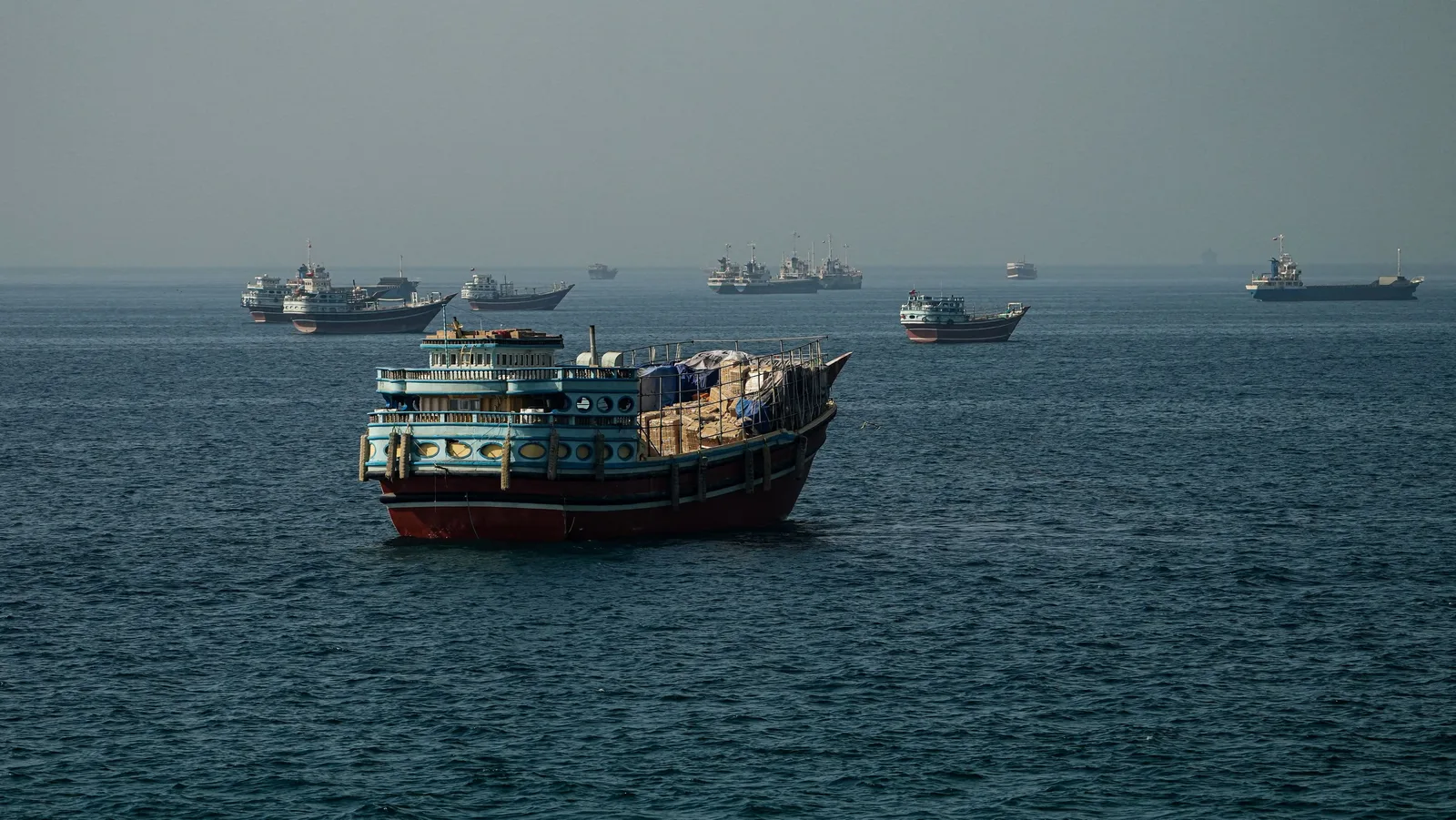
Escalating conflict involving Iran has led to higher oil prices, disruptions in key shipping routes, and volatility in global stock and commodity markets.
Why It Matters
These developments affect energy costs, supply chains, and investor confidence, with potential consequences for global economic stability and corporate strategies.
What's Next
Market participants are monitoring the duration of disruptions in the Strait of Hormuz and ongoing volatility in energy and equity markets.
Sources
Confirmed by 3 independent sources
- Bloomberg MarketsCenter8h agoVale CEO Says Metals Demand Is Robust Despite Middle East War
- Google NewsUnknown18h agoOil prices surge as Iran conflict flares, while global stocks skid on selling of tech shares
- Bloomberg MarketsCenter12h agoRatcliffe’s Ineos Kicks Off Loan Deal After Iran War Boost