Iran Advances Control Measures Over Strait of Hormuz Amid Economic Concerns
1-Minute Brief
Iran's actions in the Strait of Hormuz raise global economic concerns due to the waterway's critical role in energy trade.
Key Facts
- Rapidan Energy Group states that a closure of the Strait of Hormuz through August could risk an economic downturn similar to the 2008 recession.
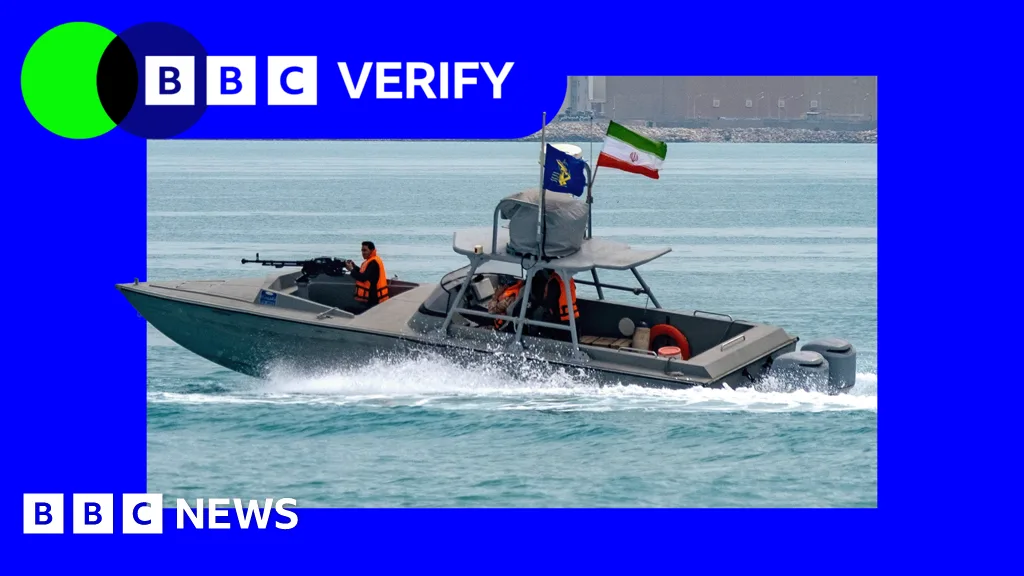
- Iran published a map asserting 'armed forces oversight' over more than 22,000 sq km of the Strait of Hormuz.
- Iran is increasing its claims to control the Strait, with both economic and military dimensions reported.
- Iran is in talks with Oman to establish a permanent toll system to formalize its control over maritime traffic in the Strait.
- Rapidan Energy Group's analysis highlights the potential for significant economic impact if the Strait is closed.
What Happened
Iran has taken steps to assert greater control over the Strait of Hormuz, including publishing a map of military oversight and discussing a toll system with Oman.
Why It Matters
The Strait of Hormuz is a key route for global oil shipments. Increased Iranian control or closure could disrupt energy markets and impact the global economy.
What's Next
Observers are monitoring negotiations between Iran and Oman, as well as international responses to potential changes in control or access to the Strait.
Sources
Confirmed by 3 independent sources
- Bloomberg MarketsCenter59m agoHormuz Closure Threatens Recession Rivaling 2008, Rapidan Says
- Bloomberg MarketsCenter6h agoIran in Talks With Oman Over Permanent Toll System for Hormuz
- BBC NewsCenter6h agoIran steps up claim to control Strait of Hormuz