Iran Reasserts Control Over Strait of Hormuz Amid Regional Tensions and Oil Disruptions
1-Minute Brief
Control of the Strait of Hormuz is central to ongoing regional tensions, impacting global energy markets and international diplomatic efforts.
Key Facts
- A confidential U.S. intelligence report suggests China is gaining an advantage over the U.S. amid the Iran conflict.
- Iran has stated plans to double its income from the Strait of Hormuz as oil and gas supplies remain disrupted.
- Tehran's leadership claims its right to the Strait of Hormuz is 'established and the matter is closed.'
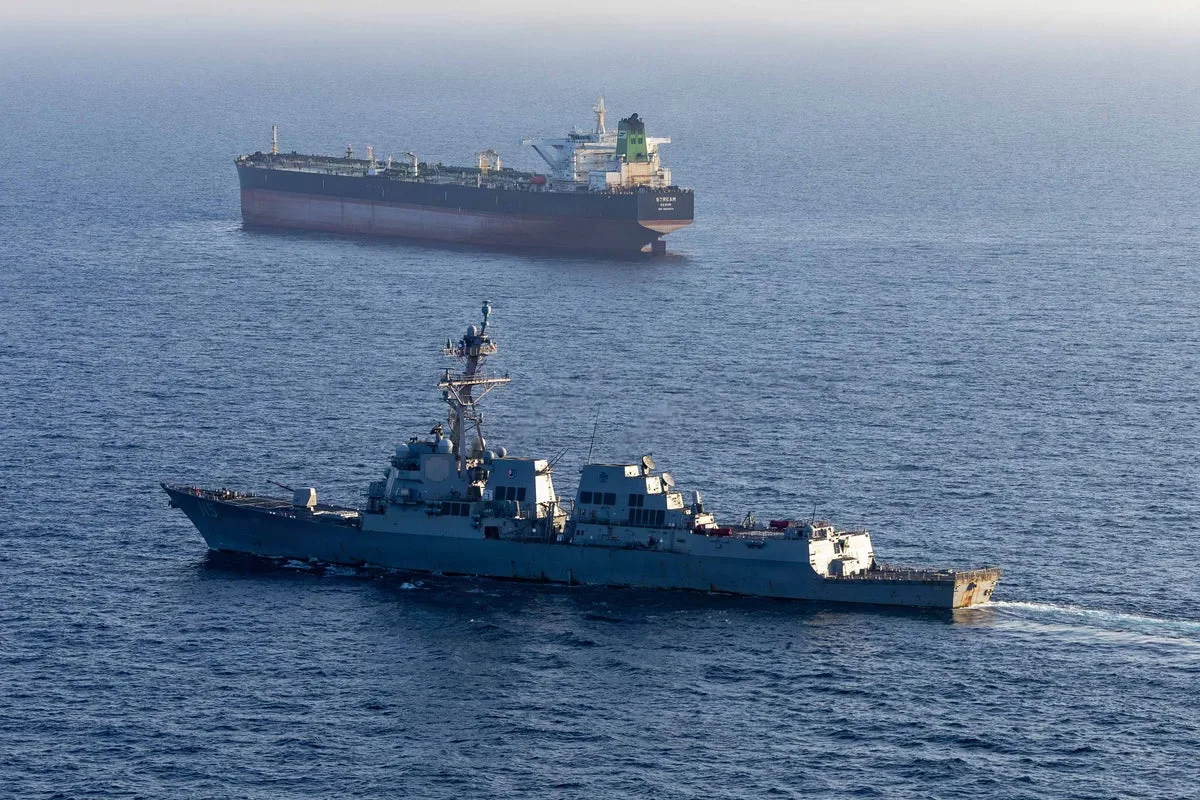
- A Japanese supertanker made a rare, covert transit through the Strait of Hormuz, according to Bloomberg Markets.
- The U.S. intelligence assessment is circulating as President Donald Trump begins a trip to Beijing.
What Happened
Iranian officials reaffirmed their stance on the Strait of Hormuz, declaring no retreat and emphasizing control over the shipping route, while a confidential U.S. intelligence report highlights shifting regional power dynamics.
Why It Matters
The Strait of Hormuz is a critical chokepoint for global oil and gas shipments. Tensions and disruptions in the region have significant implications for energy markets and international diplomatic relations.
What's Next
Observers are watching for further developments in regional military deployments, international diplomatic responses, and potential impacts on global energy supply chains.
Sources
Confirmed by 6 independent sources
- Washington PostLeft14h agoChina gains major edge on U.S. amid Iran war, intelligence report finds
- Bloomberg MarketsCenter9h agoJapanese Crude Tanker Emerges Outside Hormuz in Rare Transit
- The IndependentLeft8h agoIran-US war latest: Tehran vows ‘no place for retreat’ over Strait of Hormuz despite Vance claiming progress