Gulf States Consider Responses to Iranian Missile Attacks Amid Regional Tensions
1-Minute Brief
Gulf states face decisions on military involvement after Iranian missile strikes shift targets from US to Gulf assets.
Key Facts
- Iranian missile attacks have increasingly targeted Gulf states rather than only US assets in the region
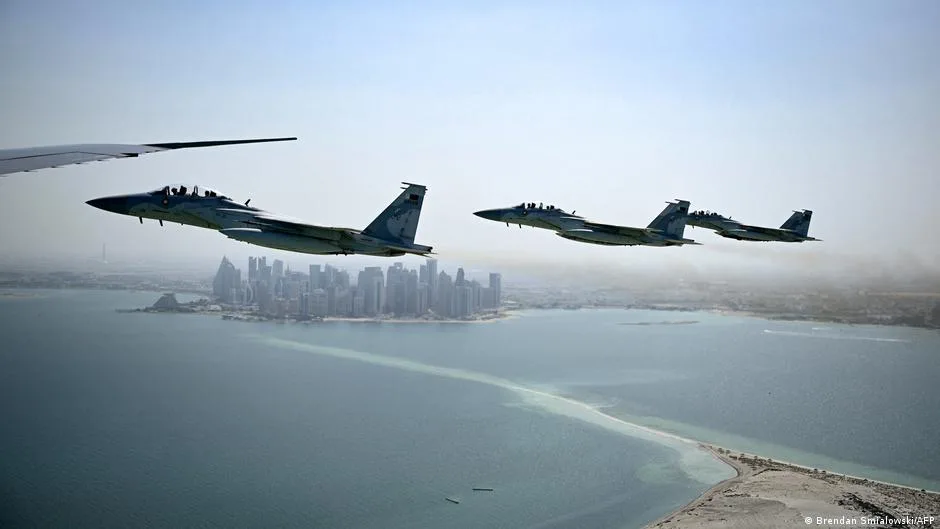
- Gulf states have experienced direct impacts from these missile strikes, affecting their urban skylines
- Initially, Iran focused its missile attacks on US military and strategic assets in the Gulf
- Gulf states have publicly stated they will not remain passive if attacked further
- There is regional debate about whether Gulf states will enter the conflict militarily or risk perceptions of aligning with Israel
What Happened
Iran has shifted its missile attacks in the Gulf region from primarily US assets to include Gulf states themselves, resulting in damage to urban areas. Gulf states have responded by indicating they will not simply endure attacks without reaction. This situation has raised questions about the potential for Gulf states to engage militarily in the broader conflict involving Iran.
Why It Matters
The evolving nature of Iranian missile targeting expands the conflict's geographic scope and raises the stakes for Gulf states' security policies. Decisions by Gulf states to respond militarily or remain passive carry implications for regional alliances and perceptions, particularly concerning relations with Israel. The situation underscores the complexity of balancing defense needs with diplomatic considerations in a volatile region.
Sources
Confirmed by 2 independent sources
- DWCenterrecentlyWill Gulf states enter the Iran conflict with their own armies?
- Al JazeeraLeft3h agoAfter Iran’s salvo hit their skylines, will Gulf states enter the war?
- DWCenterrecentlyWill Gulf states enter the Iran war?