First Case of Deadly H5N1 Bird Flu Detected in Australian Seabird
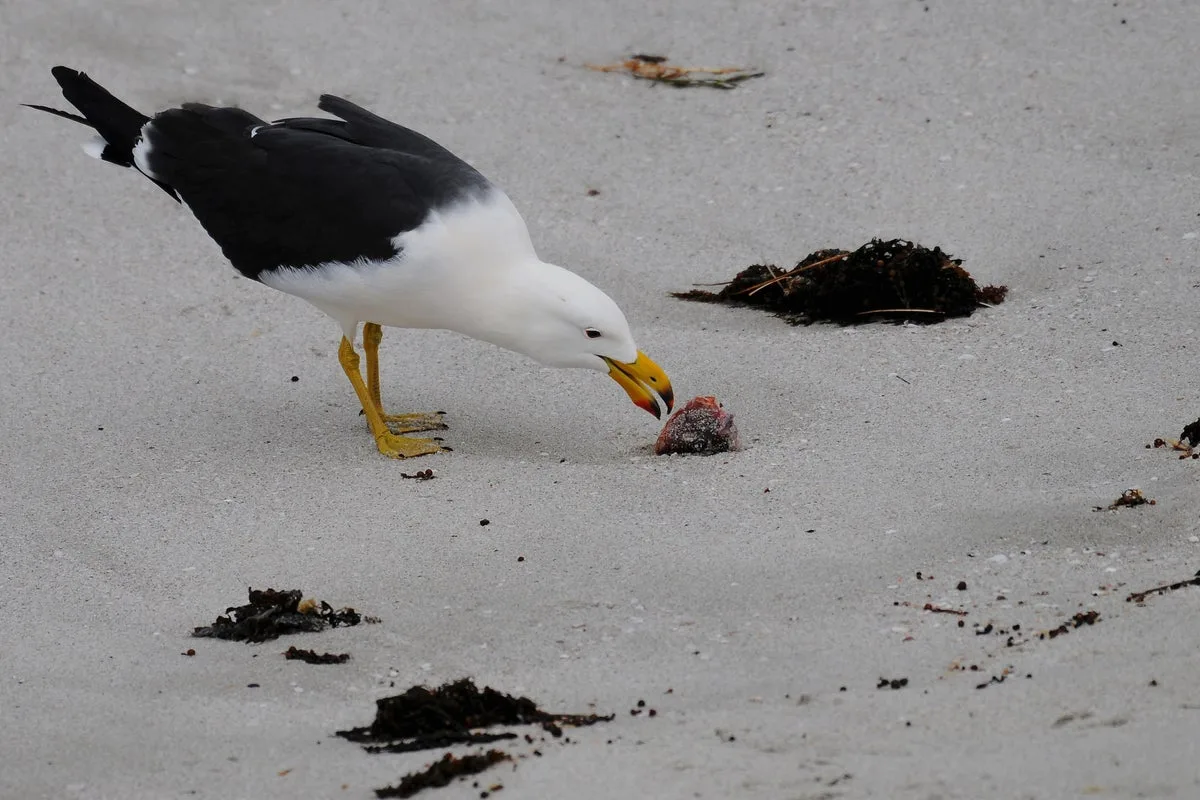
1-Minute Brief
The detection of H5N1 in local wildlife raises concerns about the virus becoming established in Australian ecosystems.
Key Facts
- A greater crested tern found dead on South Australia's Limestone Coast tested positive for H5N1 bird flu.
- This is the first recorded case of deadly H5 or H5N1 bird flu in local Australian wildlife.
- The bird was discovered at Robe, a coastal area in South Australia.
- Federal agriculture minister Julie Collins confirmed the positive test result.
- Scientists warn that eradicating flu may not be possible if it becomes established in wildlife.
What Happened
A dead greater crested tern found at Robe on South Australia's Limestone Coast tested positive for H5N1 bird flu, marking the first such case in local wildlife.
Why It Matters
The presence of H5N1 in Australian wildlife could complicate efforts to control the virus and poses potential risks to animal and possibly human health if the virus spreads.
What's Next
Authorities are expected to monitor local wildlife for further cases and assess risks of wider transmission. Scientists and officials may consider additional measures to prevent the virus from becoming established.
Sources
Confirmed by 2 independent sources
- The IndependentLeft1h agoFirst case of deadly H5N1 confirmed in Australian seabird
- The GuardianLeft3h agoDeadly H5 bird flu found in local Australian seabird for first time