H5N1 Bird Flu Confirmed in South Australia and Suspected in Western Australia
1-Minute Brief
The detection of H5N1 bird flu in Australia raises concerns for native wildlife, agriculture, and food supply.
Key Facts
- More than 150 native and unique Australian bird species and 10 mammal species are identified as at 'very high risk' if exposed to H5N1.
- Australian chicken producer Inghams has implemented a 'complete lock-down' at its Western Australia operations after H5N1 detection.
- The federal government has analyzed over 800 bird species for potential risk from the H5N1 strain.
- A migratory seabird tested positive for H5N1 in South Australia, with a suspected case in Western Australia.
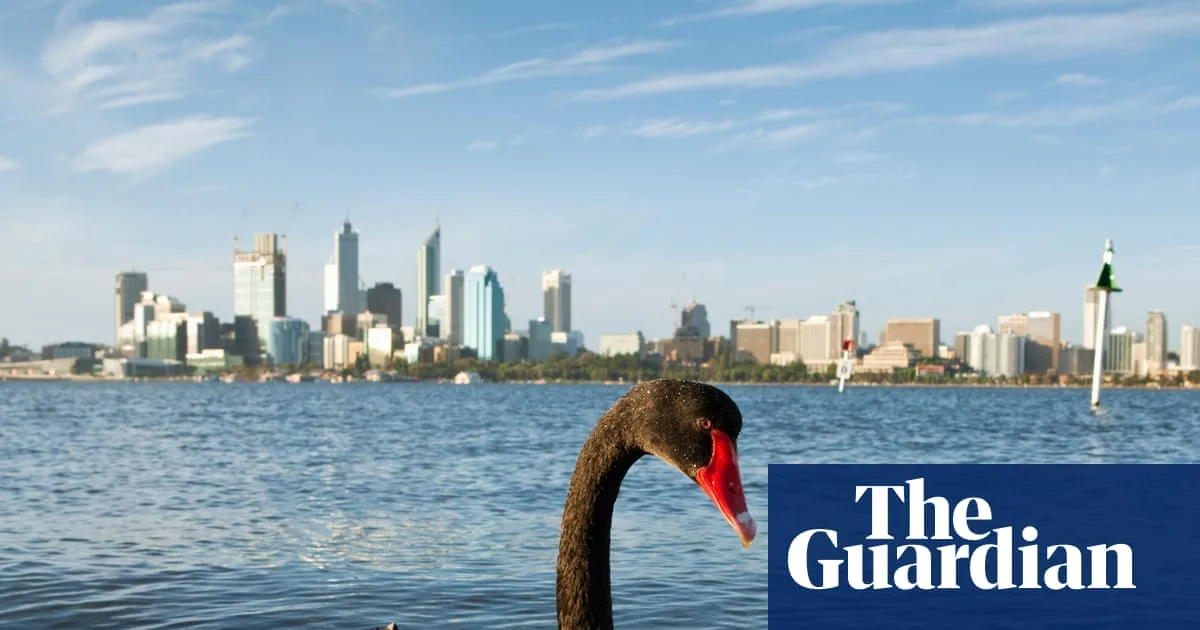
- Western Australia's black swans are among the most susceptible species identified.
What Happened
H5N1 bird flu has been confirmed in South Australia and is suspected in Western Australia, affecting both wild and domestic birds. Authorities and producers have responded with containment measures.
Why It Matters
The outbreak poses risks to Australia's unique wildlife, including endangered species, and may impact agricultural operations and food supply chains.
What's Next
Authorities are monitoring for further cases and assessing risks to wildlife and agriculture. Additional containment and biosecurity measures may be implemented as the situation develops.
Sources
Confirmed by 2 independent sources
- The GuardianLeft16h agoTasmanian devils, swift parrots, black swans: the animals at risk if bird flu takes off in Australia
- The GuardianLeft1h agoBird flu confirmed in South Australia as infected petrel brings deadly H5N1 cases to three
- Bloomberg MarketsCenter1d agoDeadly H5 Bird Flu Spreads Worldwide With Australia Outbreak